











NFPA 1021 Incident Scene Communications
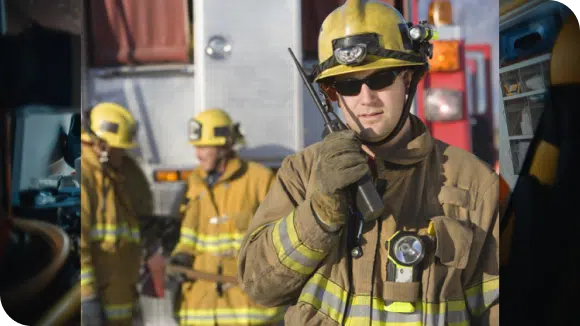
The importance of clear and effective communication at the scene of an incident cannot be overstated. Miscommunication or lack of communication at either end of the communication process can lead to costly setbacks or even failure in incident operations. In the high stakes environment of the fireground, there is no room for communication breakdown.
This course focuses on conveying to you, as a fire fighter, the importance of clear and effective communication in incident responses.
The various kinds of communication, the components that comprise a department’s communications system, and the intrinsic relationship between Incident Command System (ICS) and communication are highlighted. In addition, critical junctures of communication during incident operations are reviewed.
Demos + Pricing
Learn more about our courses, get pricing, and see our platform.
Frequently Asked Questions
What operational challenges does this course address?
This course addresses leadership, supervision, planning, and organizational decision-making challenges tied to company officer responsibilities related to NFPA 1021 Incident Scene Communications. The importance of clear and effective communication at the scene of an incident cannot be overstated. Miscommunication or lack of communication at either end of the communication process can lead to costly setbacks or even failure in incident operations.
What real-world situations or incidents is this training designed to prepare personnel for?
The training is designed to prepare personnel for company officer decisions involving planning, supervision, communication, training, budgeting, and day-to-day leadership expectations associated with NFPA 1021 Incident Scene Communications. The importance of clear and effective communication at the scene of an incident cannot be overstated. Miscommunication or lack of communication at either end of the communication process can lead to costly setbacks or even failure in incident operations.
What safety or compliance concerns does this course help organizations address?
This course helps organizations address leadership accountability, documentation expectations, policy alignment, and supervisory responsibilities connected to company officer roles tied to NFPA 1021 Incident Scene Communications. It supports stronger awareness, more consistent practices, and better day-to-day decision-making across the organization.
Which personnel or departments would benefit most from this training?
This training is most relevant for fire officers and aspiring company officers, along with departments seeking to strengthen knowledge, consistency, and role-specific readiness connected to NFPA 1021 Incident Scene Communications.
How can this course support department readiness, consistency, or professional development?
This course can support department readiness and professional development by strengthening officer readiness, improving supervisory consistency, and supporting professional development for current or aspiring company officers while reinforcing shared expectations related to NFPA 1021 Incident Scene Communications.
How does this course fit into a broader training program?
This course fits well within a broader training program focused on company officer development, supervisory readiness, leadership training, and broader professional development efforts. It can support onboarding, professional development, policy awareness, and more consistent organizational expectations over time.


