
Develop an Electrical Safety Program
Implementing NFPA 70E training in your workplace reinforces best practices, safety procedures, and more to not only comply with NFPA 70E but also improve learner retention of key information.
NFPA Standard 70E outlines the policies, procedures, and training required to reduce electrical hazards for employees. Our NFPA 70E training aligns with OSHA’s requirements to keep your electricians, engineers, and facility managers safe at work.

NFPA 70E is the standard for electrical safety and establishes protocols to protect workers from electric shock and arc flash. This course introduces learners to NFPA 70E and why it’s so important.

Learn why NFPA 70E was created
Define key terms like electric shock, arc flash, and lockout/tagout
Understand personal protective equipment (PPE) requirements
Learn requirements for electrical maintenance and labeling

Electrical contractors and others are required to be trained on changes to the NFPA 70E standard every three years. This course is essential to remaining compliant.
Learn about the latest changes to the NFPA 70E standard
Stay compliant with the latest regulations
Increase electrical safety in the workplace

An arc flash is a release of energy that causes an explosion of nearby electrical components. This arc flash training course teaches employees about this dangerous electrical hazard and how to prevent and protect against it.
Comply with OSHA requirements
Identify common arc flash risk factors
Learn best practices to prevent arc flash
Understand common lockout/tagout procedures

This interactive, online course connects the goal of the NFPA 70E standard to the importance of a lockout/tagout, electrical safety program.

Learn the risks of maintaining, repairing, and upgrading electrical equipment
Describe the effects of different current flows on the body
Understand how arc flash, NFPA 70E, and lockout/tagout are related

Electric shocks can be fatal. An average of 60 people die every year because of them. This course reviews the risks of electric shock, how to avoid these hazards, and how to respond to electric shock injuries.
Learn electricity basics
Define electric shock and electrical hazards
Identify safety precautions
Understand how to provide first aid to electric shock victims

Lockout/tagout is an established procedure that safeguards workers from the unexpected startup of machinery and equipment and from the release of hazardous energy during service or maintenance. This course reviews this critical topic for affected employees.
Identify sources of hazardous energy
Define authorized vs. affected employees
Learn the lockout/tagout process
Safely maintain electrical equipment

This course reviews lockout/tagout (LOTO) procedures for authorized employees, including the required steps, hardware, and the administration of an Energy Control Program (ECP).
Identify hazardous energy sources and how it’s isolated
Learn the six steps of an energy control program
Describe the procedure for restarting equipment after LOTO


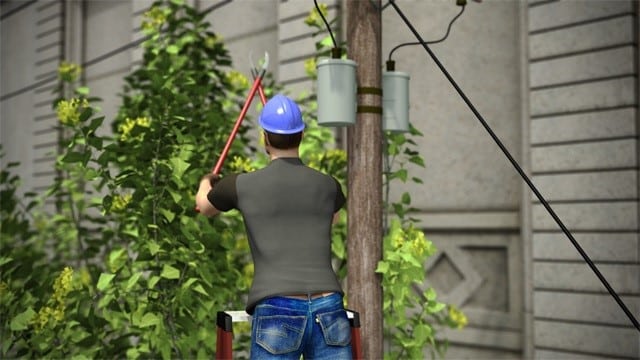
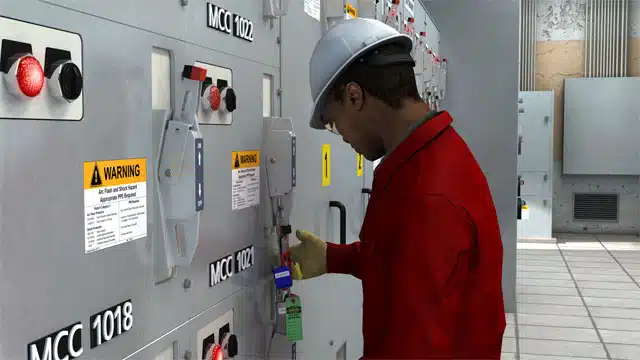
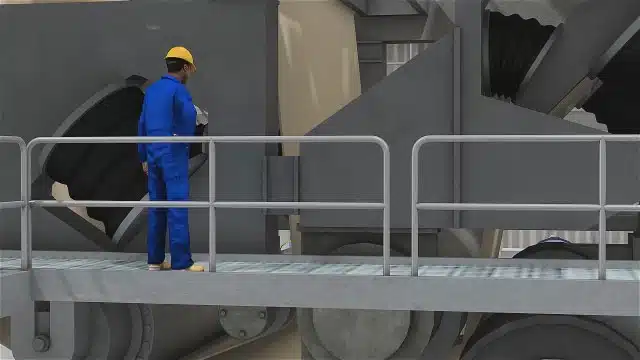


Implementing NFPA 70E training in your workplace reinforces best practices, safety procedures, and more to not only comply with NFPA 70E but also improve learner retention of key information.

Qualified individuals who work with electrical hazards must complete NFPA 70E training to protect workers from arc flash, electric shock, and other risks.

Keeping your electricians and maintenance technicians safe is key to maximizing productivity and reducing the downtime of equipment.

National Fire Protection Agency (NFPA)
Occupational Safety and Health Administration (OSHA)
National Electric Code (NEC)

Meet annual continuing education requirements to maintain professional licenses.
Expand your workforce’s knowledge of safety standards with our award-winning HSE library.
Manage your entire health and safety program in one customizable system.

July 6, 2026 4 min read

September 26, 2023 5 min read

August 29, 2024 7 min read


