May 14, 2026 5 min read

Manufacturing Safety: Tips, Hazards, & OSHA Requirements
Industry:
Solution:
In manufacturing, safety isn’t optional. It’s essential for operations to run smoothly. Every injury, near miss, and shutdown caused by a preventable hazard creates real consequences. It puts workers at risk, stops production, damages morale, and hurts your bottom line.
Most manufacturers know what’s at stake. Yet nearly 40 percent of industrial workers say safety gets discussed only after an incident occurs. This reactive approach leaves hazards unaddressed until someone gets hurt.
Main takeaways
- Machine guarding, lockout/tagout, and powered industrial trucks appear on OSHA’s Top 10 most-cited standards every year.
- Slips, trips, and falls cause more workplace injuries than any other hazard category, per OSHA citation data. Anti-slip flooring, drip pans, and immediate spill cleanup prevent the majority of these incidents.
- Heat stress isn’t limited to outdoor work. Manufacturing machinery, poor ventilation, and PPE raise core body temperature and reduce hazard awareness.
- Daily hazard reporting and proactive controls prevent recordables before they happen.
Master Core Manufacturing Safety Topics
Equipment maintenance, slip prevention, fire hazards, falling objects, and PPE compliance drive most manufacturing citations. Use these five topics to focus your toolbox talks and pre-shift safety checks.
Explore Manufacturing Safety Topics
What is manufacturing safety?
Manufacturing safety protects workers, equipment, and infrastructure in high-risk industrial environments through established protocols and daily practices. Strong safety programs for manufacturing create consistent output, workforce stability, and OSHA compliance.
Safety means building good daily habits. Workers identify hazards, follow protocols, and go home safe at the end of their shift. This applies to everyone, from new hires to veteran technicians.
Occupational Safety and Health Administration (OSHA) standards set the baseline. True safety leaders go further by building risk awareness and prevention into every part of the operation.
The importance of safety in manufacturing
Effective safety practices reduce workplace injuries and avoid costly disruptions. They help manufacturers maintain compliance with OSHA regulations. A strong safety culture does more than meet legal requirements. It reduces workers’ compensation claims. It improves employee retention. And it builds worker confidence.
The financial stakes are real. Each workplace injury requiring medical care costs an average of $43,000, per the National Safety Council. OSHA penalties for serious violations reach $16,550. Willful or repeated violations can cost $165,514.
A single incident can trigger multiple problems. A laceration, fall, or electrical shock stops production. It brings regulatory fines. And it causes long-term harm to employees and the business.
Manufacturing logged 355,800 recordable cases in 2023, per the Bureau of Labor Statistics. That’s a rate of 2.8 cases per 100 full-time workers. The rate dropped from 3.2 in 2022. But the sector still faces real injury risk. BLS recorded 67 forklift-related fatalities in 2023 alone.
Consistent safety protocols and training prevent incidents before they happen. Manufacturers who identify and fix hazards early protect their workers and their operations.
Understanding key safety concepts
There are a few core concepts that shape effective safety programs in manufacturing.
1. Understand the difference between a hazard and a risk
A hazard is a potential source of harm such as a chemical leak or unguarded machine. Risk is the likelihood that harm may occur from that hazard. Recognizing both is key to prioritizing preventive actions.
2. Understand your responsibilities under OSHA
OSHA sets national safety standards that all manufacturers must follow. Three standards appear on OSHA’s Top 10 most-cited list every year: machine guarding (29 CFR 1910.212), lockout/tagout (29 CFR 1910.147), and powered industrial trucks (29 CFR 1910.178).
In FY 2024, OSHA issued over 2,400 powered industrial truck citations. Those violations totaled more than $8 million.
Everyone plays a role in maintaining these standards. Supervisors, safety leads, and frontline employees must all participate through proper training, consistent practices, and accurate recordkeeping. Documentation supports compliance and continuous improvement. This includes OSHA 300 logs, incident reports, and safety audits.
Federal OSHA sets the baseline. But 22 state plans can impose stricter rules for private and public employers. For example, Cal/OSHA requires a written Injury and Illness Prevention Program (IIPP). No federal equivalent exists. If you operate across states, follow the strictest rule. This simplifies compliance across every location.
3. Recognize the purpose of PPE
PPE such as gloves, face shields, and hearing protection is your last line of defense. But it only works when selected properly, worn correctly, and maintained consistently.
4. Learn your facility’s emergency protocols
Every facility must have standard operating procedures (SOPs) to reduce risk. These cover emergency action plans, lockout/tagout procedures, chemical handling, and machine guarding. Following the SOPs is essential.
5. Build safety awareness into daily tasks
Safety isn’t something to check off once a year. It requires daily attention. You must recognize hazards and communicate them, especially in fast-moving or high-risk areas of the plant.
Examples of industrial safety equipment
Industrial manufacturing settings require a wide range of personal protective equipment (PPE) and engineering controls to safeguard workers. Common safety equipment includes:
- Hard hats and safety helmets
- Safety goggles and face shields
- Cut-resistant gloves
- Hearing protection
- High-visibility vests and flame-resistant clothing
- Face shields
- Machine guards and lockout/tagout devices
- Masks and respirators for respiratory protection
- Slip-resistant footwear
- Eye wash stations
- First aid kits
All equipment must be regularly inspected, properly fitted, and used according to manufacturer and OSHA guidelines to reduce injury and exposure risk.
Award-Winning Safety Courses
Explore 400+ courses with 3D animations and live action footage.
Download Course Catalog
10 easy safety improvement ideas in manufacturing
Here are 10 quick and easy tips for a safer manufacturing workplace.
1. Inform Supervisors of Unsafe Conditions
If you see something that could hurt someone, take action. Remove the object or clean the area if you can do so safely. If you can’t fix it yourself, tell your supervisor right away. Supervisors are legally required to maintain a safe working environment. They must act when you report a hazard. 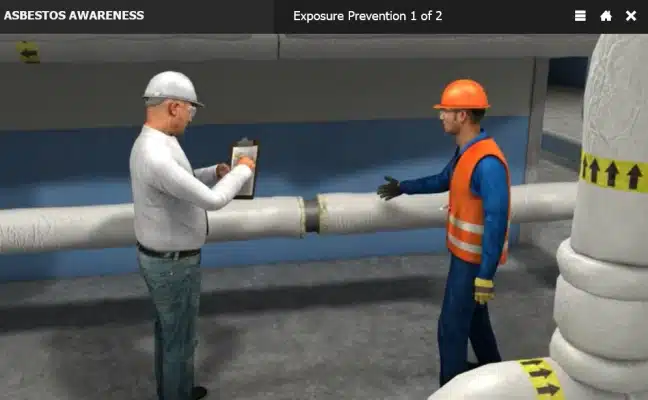
2. Use Equipment, Machines, and Tools Properly
Misusing tools and machines causes many workplace injuries. Always use each piece of equipment for its intended purpose. Use it correctly. Clean and inspect equipment regularly to make sure it stays safe. Hand and Power Tools Safety training covers these best practices. 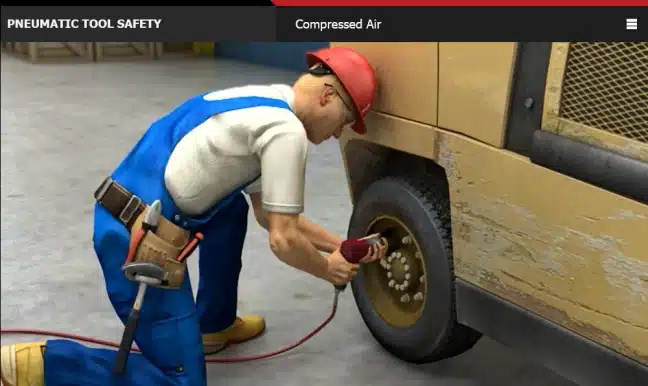
3. Wear Safety Equipment (PPE)
Always wear the right PPE for the task. This applies whether you’re operating machinery or handling spills and debris. PPE must be properly selected, correctly worn, and free of damage. This reduces your risk of injury. 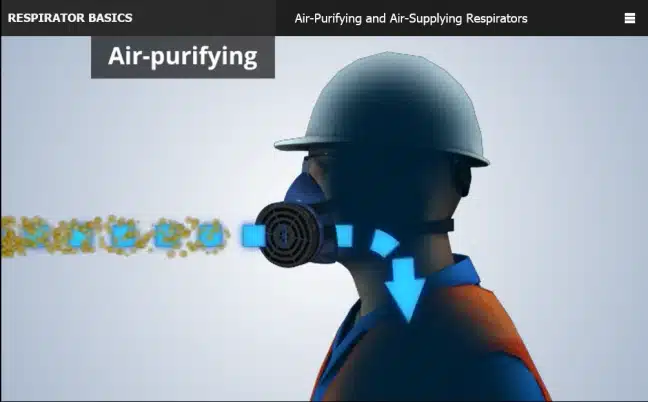
4. Prevent Slips and Trips
Keep aisles clear and clean up spills immediately. When working with liquids, use drip pans and splash guards to contain runoff. Inspect floors for loose boards, holes, or protruding nails. Repair damaged surfaces right away. In areas prone to moisture or buildup, install anti-slip flooring.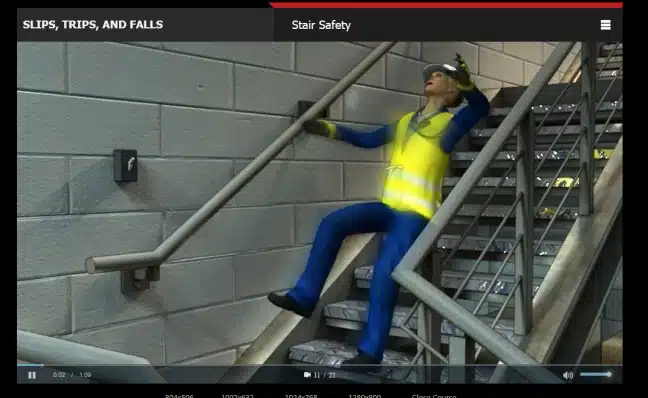
5. Keep Work Areas and Emergency Exits Clear
Remove clutter that blocks emergency exits, equipment shutoffs, and work areas. A cluttered space leaves you without enough room to use tools safely or lift heavy objects properly. If an exit is blocked, employees can’t escape quickly during an emergency. Put equipment in proper storage areas after each use. 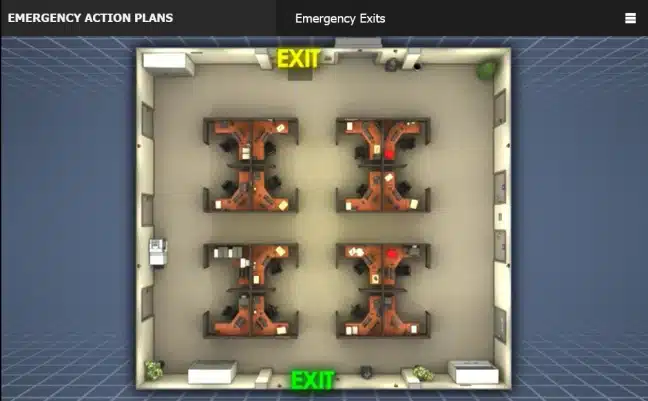
6. Eliminate Fire Hazards
When using combustible materials in the work environment, only keep the amount you need for the task at hand. Store the chemical in an assigned safe storage area away from sources of ignition when not in use. Also, store combustible waste in metal receptacles and dispose of it daily. Fire safety and combustible dusts training address these hazards in detail. 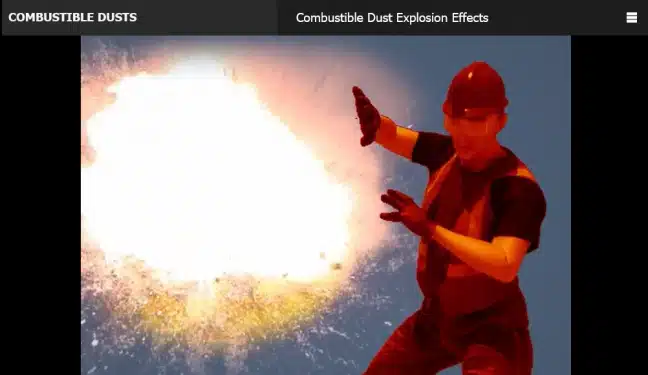
7. Avoid Tracking Hazardous Materials
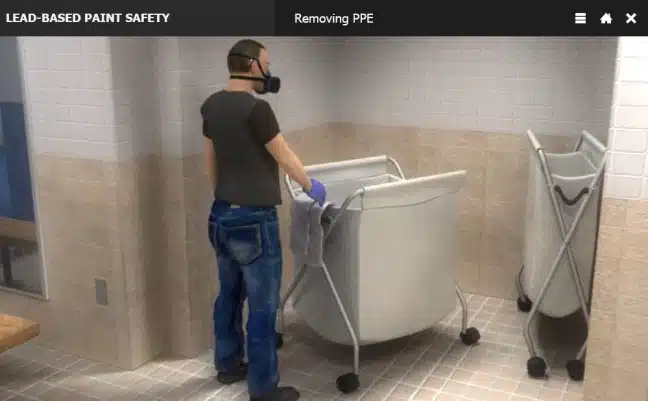
Keep work area mats maintained and clean. This prevents hazardous materials from being tracked into other areas. Use different mops for different spills to prevent cross-contamination. Change clothes if you spill toxic materials on them. If you work with hazardous materials, don’t wear your work clothes home.
OSHA’s updated HazCom standard (effective since July 2024) requires specific SDS formats, label requirements, and training protocols. Make sure your facility follows the current requirements.
8. Prevent Objects from Falling
Falling objects can cause serious injuries and damage to equipment and materials. Use safeguards such as toe boards, toe rails, and safety nets in elevated areas. Always stack boxes evenly and place heavier items on lower shelves to improve stability. Keep all stacked materials clear of aisles and work zones to prevent collisions. Proper forklift operation and load handling also play a key role in preventing product damage and tip-overs. 
9. Use Correct Posture when Lifting
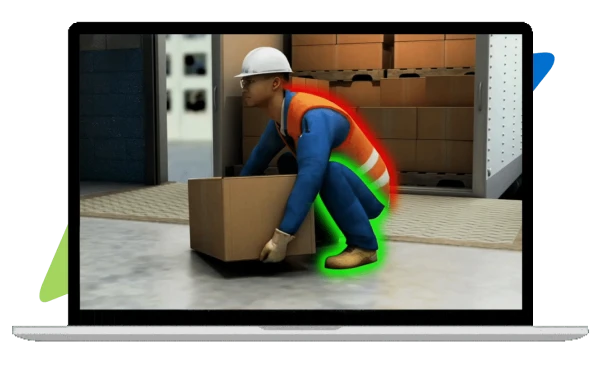
Back injuries are one of the most common workplace injuries in manufacturing environments. To reduce your risk, keep your back straight, lift with your legs, and avoid stooping or twisting your body. Use mechanical aids such as forklifts, wheelbarrows, or conveyor systems to minimize strain. Back Injury Prevention training covers proper lifting techniques in detail. 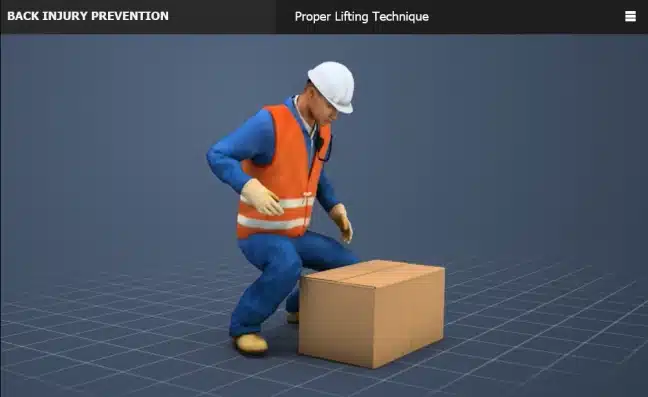
10. Take Work Breaks From Time to Time
Heat stress happens indoors too. Manufacturing machinery creates high temperatures. Poor ventilation and physical exertion make it worse. This leads to worker fatigue, dehydration, and reduced alertness. When workers are overheated or overtired, they can’t recognize hazards as well. This puts everyone at risk. Take regular breaks. Stay hydrated. Use cool-down periods to maintain focus and prevent heat-related incidents. 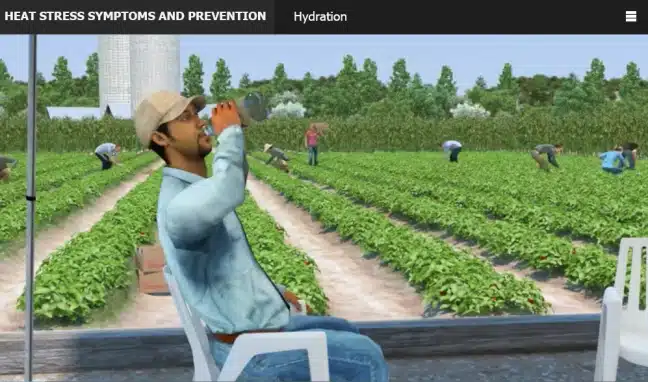
Customize This Course to Fit Your Organization
Every organization has its own procedures, equipment, and terminology. With Learning Studio, you can edit our courses to match how your team actually works, so training feels specific to your workplace instead of generic.
Explore Learning Studio
How Vector Solutions supports safer manufacturing operations
Manufacturing safety requires daily attention. You must focus on equipment, environment, and behavior. The 10 practices above give frontline teams and supervisors clear steps to reduce injuries and maintain compliance.
At Vector Solutions, we support industrial manufacturers with OSHA-aligned safety training courses. Our courses are built by experts and designed for real-world industrial environments. The training is interactive and uses engaging 3D formats. This supports today’s workforce and reinforces safe habits on the job.
Request a demo today to see how Vector Solutions can help create a safer workplace.