July 8, 2024 6 min read

DOT Inspection Levels: The 6 Levels of DOT Inspections Explained
Industry:
Solution:
The Department of Transportation (DOT) requires commercial motor vehicles (CMV) with a weight of over 10,001 pounds to undergo an inspection every year to ensure all parts are in working order. DOT inspection levels are designed to evaluate both vehicles and drivers, helping fleets stay compliant and safe. In this article, we’ll break down the six levels of DOT inspections, including what’s checked at each stage and how a DOT inspection checklist can help your team stay prepared.
DOT Inspection Levels Overview
DOT inspections are separate from the routine periodic vehicle inspections required by the motor carrier and are mandated under federal regulations by the FMCSA. These federal inspections are specifically designed to evaluate both commercial motor vehicles (CMVs) and their drivers, ensuring compliance with safety regulations and helping fleets avoid fines, accidents, or downtime. Understanding the different types of DOT inspections allows fleet managers to stay prepared, use DOT inspection checklists effectively, and maintain smooth, safe operations.
The six types of DOT inspections that we’ll cover are:
- North American Standard Inspections
- Walk-Around Driver/Vehicle Inspections
- Driver-Only Inspections
- Special Inspections
- Vehicle-Only Inspections
- Enhanced NAS Inspections for Radioactive Shipments
Each inspection level has a specific purpose and scope, ranging from comprehensive vehicle and driver evaluations to specialized checks for certain cargo types. Let’s take a closer look at what each level entails and how they help ensure safety and compliance.
DOT Inspection Level 1: North American Standard Inspections
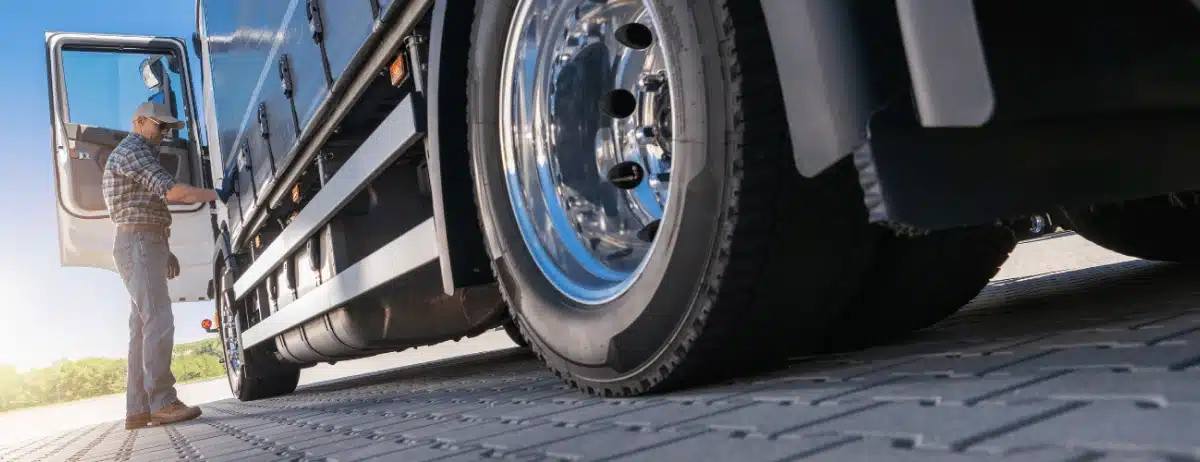
Level 1 inspections are the most common and thorough level of DOT inspections. During these checks, DOT inspectors look at important documents such as:
- The vehicle operator’s commercial driver’s license (CDL)
- The medical certificate confirming the operator passed their annual DOT physical exam
- Logbook records for the last eight on-duty days to show hours of service records
- Medical card or waiver, if applicable
- Signs of drug or alcohol use
Areas of inspection include the vehicle’s:
- Seat belt
- Exhaust system
- Turn signals
- Tail lamps
- Headlamps
- Steering wheel
- Wheels and rims
- Fuel system
Level 1 inspections typically take 45–60 minutes to complete. Using a DOT inspection checklist ensures nothing is missed, especially when physically getting under the vehicle to check critical components.
Vector EHS Management
Manage your entire environmental health and safety program in our configurable system to save time and improve efficiency in your safety department.
Learn More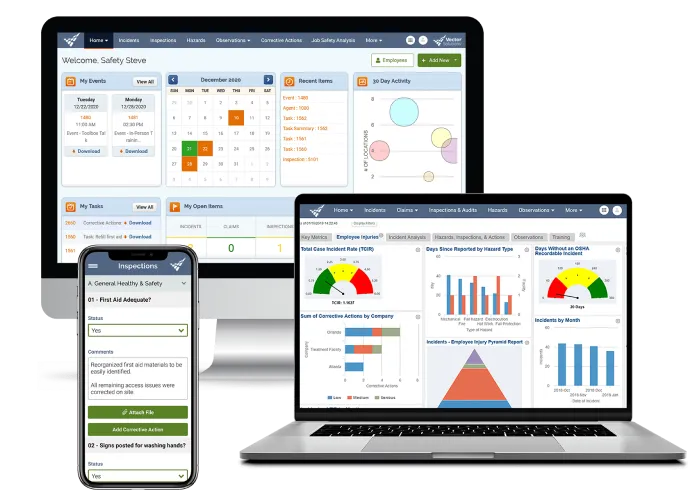
DOT Inspection Level 2: Walk-Around Driver/Vehicle Inspections
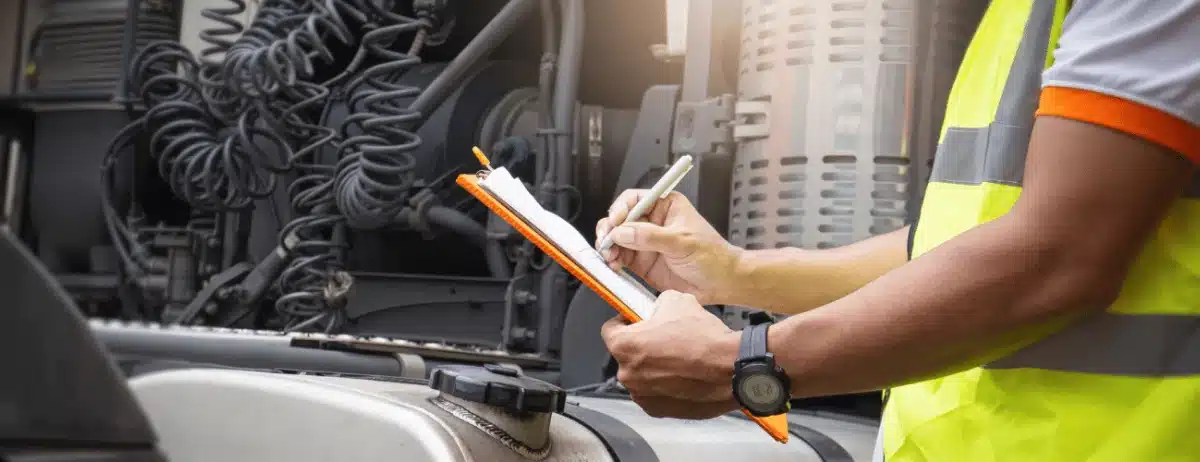
Level 2 inspections involve examining everything in a Level 1 inspection, except for the parts that require a DOT inspector getting under the vehicle. This includes the documents reviewed under Level 1 inspections and takes about 30 minutes to complete.
These inspections often use a pre-trip inspection DOT checklist to ensure drivers verify lights, brakes, and other essential components during the walk-around inspection. DOT driver vehicle inspection checklists include vehicle items a driver should inspect daily before and after driving the vehicle to comply with DOT regulations.
To assist drivers in meeting DOT requirements, we’ve developed a pre-trip inspection DOT-compliant checklist that drivers can use to record their findings.
DOT Inspection Level 3: Driver-Only Inspections

During Level 3 DOT inspections, the inspector will take an in-depth look at the vehicle operator’s credentials. Drivers are checked for:
- Skill performance evaluation (SPC) certificate
- Driver’s license
- Medical certification
- Record of duty status (RODs)
- Seat belt usage
The inspector also reviews any driver vehicle inspection reports signed by the driver. Level 3 inspections typically take about 15 minutes. This is a jurisdictional mandated commercial vehicle inspection, emphasizing driver compliance with DOT regulations. These inspections typically take about 15 minutes to complete.
To equip your team with essential skills and promote safe driving practices, check out our transportation safety and compliance library.
DOT Inspection Level 4: Special Inspections
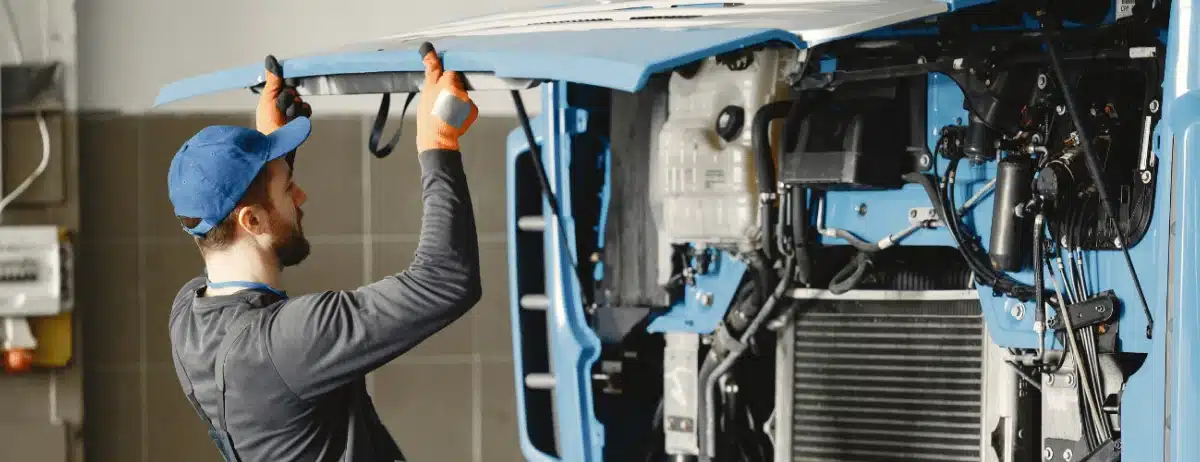
Level 4 inspections are one-time examinations of a specific item, scheduled to verify or invalidate a previous claim about a vehicle. Time required depends on the item or concern being examined.
These inspections may focus on a specific vehicle component such as brake systems, steering, or safety equipment identified during a prior inspection or reported incident, helping fleets address targeted safety concerns.
DOT Inspection Level 5: Vehicle-Only Inspections

Level 5 inspections look at everything specified under Level 1. The only difference is that they are executed without the driver present. Part of this inspection involves checking the vehicle’s:
- Brake systems
- Steering mechanism
- Suspensions
- Electrical cables
Level 5 inspections can take up to 45 minutes to complete. Even without the driver present, a DOT inspection checklist ensures all vehicle systems are evaluated and verified for compliance.
DOT Inspection Level 6: Enhanced NAS Inspections for Radioactive Shipments

This inspection is required for certain shipments containing radioactive material, including highway route-controlled quantities (HRCQ) as defined in DOT’s title 49 section 173.403.
The vehicle, drivers, and cargo must all pass this inspection before departing. Level 6 inspections typically take up to 60 minutes to complete.
Once complete, a special nuclear symbol will be attached to the CMV to indicate it passed a Level VI inspection. This nuclear symbol is only valid for one trip and will be removed upon arriving at the destination.
Importance of Regular DOT Inspections for Fleet Management
Regular DOT inspections are crucial for keeping your fleet compliant and safe. By scheduling these types of DOT inspections on a consistent basis, fleet managers can identify and address issues before they become serious problems, helping to avoid accidents, costly fines, and unexpected vehicle downtime.
Using detailed pre-trip checklists and performing routine vehicle assessments is essential to stay compliant with FMCSA’s inspection, repair, and maintenance requirements. These steps help spot wear and tear or malfunctions early. Staying proactive with these checks not only helps dodge penalties but also ensures that your fleet runs smoothly and safely, improving overall fleet management.
Common Violations Found During DOT Inspections
DOT inspections often reveal some recurring issues that can lead to fines or even have vehicles taken out of service. Common problems include faulty brake systems, outdated medical certificates, and improperly secured cargo.
By knowing these frequent violations and addressing them ahead of time, fleets can boost their compliance. Training drivers to follow pre-trip checklists and keeping all vehicle components in top condition are key. Regularly checking and fixing these issues helps avoid repeated infractions and keeps your fleet running efficiently.
The Role of Technology in DOT Inspections
Technology is transforming how DOT inspections are conducted by offering advanced tools that simplify and improve the inspection process. Tools like electronic logging devices (ELDs) and onboard diagnostics systems allow for real-time tracking and documentation of vehicle performance and driver behavior.
Training technology is also essential. Interactive training solutions offer simulations and modules to keep drivers and fleet managers informed about the latest regulations and best practices. These technologies help ensure compliance and streamline inspections, making fleet management more efficient.
Frequently Asked Questions (FAQs)
What are the different levels of DOT inspections?
There are six levels of DOT inspections:
- Level 1 – North American Standard Inspections
- Level 2 – Walk-Around Driver/Vehicle Inspections
- Level 3 – Driver-Only Inspections
- Level 4 – Special Inspections
- Level 5 – Vehicle-Only Inspections
- Level 6 – Enhanced NAS Inspections for Radioactive Shipments
Each level checks different aspects of the vehicle and driver to help ensure safety and compliance.
Why are DOT inspections important for fleets?
DOT inspections help fleet managers identify issues early, maintain safe vehicles, and comply with federal regulations. Using DOT inspection checklists and following the proper procedures can prevent accidents and costly fines.
What is typically checked during a DOT inspection?
DOT inspections review both the driver’s credentials and vehicle condition. This includes brakes, lights, seat belts, tires, and other critical components. Different inspection levels focus on varying degrees of detail.
How often should DOT inspections be performed?
DOT inspections are required by the Department of Transportation (DOT) at least annually for most commercial motor vehicles. The types of DOT inspections may vary depending on fleet operations, cargo, and regulatory requirements. Frequent inspections help catch problems early and keep fleets compliant and safe.
How can fleets prepare for DOT inspections?
Fleets can prepare by maintaining proper documentation, performing routine vehicle assessments, and training drivers on pre-trip checks. Technology tools, such as electronic logging devices (ELDs) and interactive training modules, can also help streamline the process.
Are you prepared for a DOT inspection?
To better prepare yourself and your workforce for a DOT inspection, explore our innovative training and software solutions. Experience benefits such as:
- Improved workforce skills, safety, and compliance.
- Ensured adherence to FMCSA, CMV, and DOT regulations effortlessly.
- Streamlined inspections and operations alongside reduced injuries and incidents.
- Expanded HAZMAT safety knowledge for highway, rail, air, or vessel shipments across your team.
Request a demo to learn more.