











Health Emergencies: Asthma Awareness
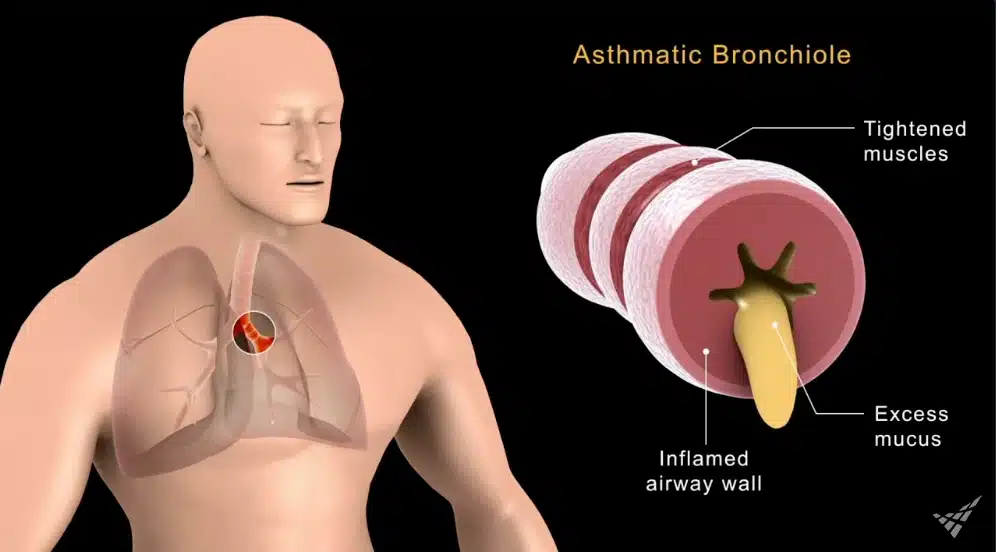
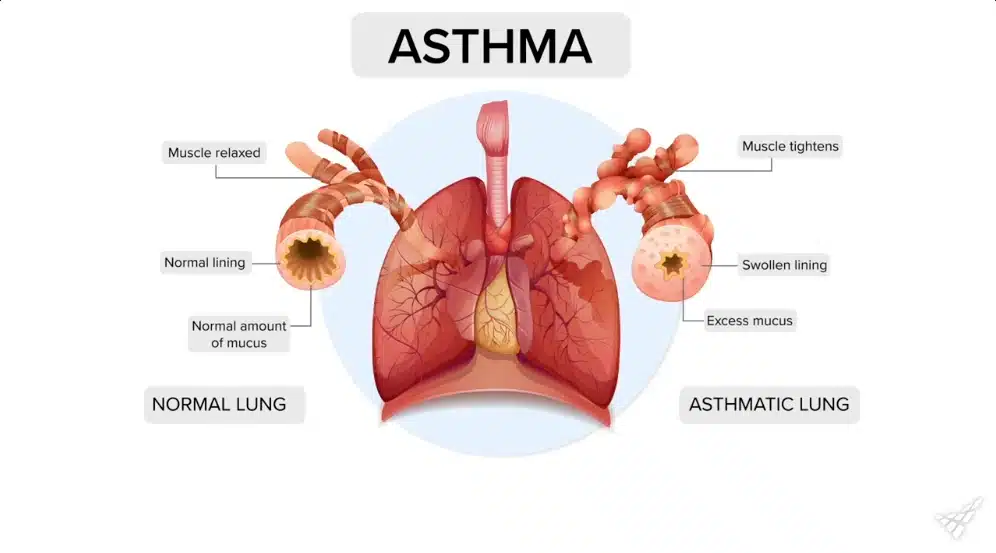
According to the American Lung Association, asthma is the most common chronic childhood disease in the United States. As such, all school staff members need to have a basic familiarity with asthma. Understanding the disease and recognizing its symptoms are key to ensuring the safety of students with asthma. This course will discuss what happens during an asthma attack, early warning signs and immediate signs of an asthma attack; and the basic types of asthma medications and methods for medication administration.
Demos + Pricing
Learn more about our courses, get pricing, and see our platform.
Course Details
Learning Objectives
- Understand what happens in the body during an asthma attack.
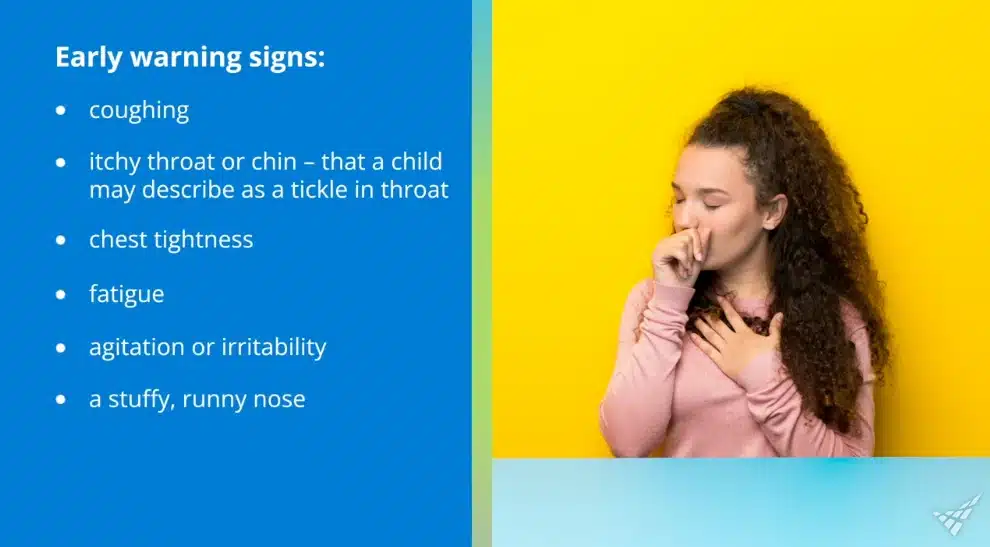
- Know the early warning signs and immediate symptoms of an asthma attack and how to respond.
- Recognize common asthma medications and how they are administered to students.
- Explain the procedure in the event an asthma attack occurs.
Specs
- English (US)
- Spanish (US)
- Spanish (European)
- Spanish (Mexican)
- French (Canada)
- French (European)
- Arabic
- Chinese (Simplified Mandarin)
- Chinese (Traditional Mandarin)
- Filipino Tagalog
- German
- Hindi
- Italian
- Japanese
- Korean
- Portuguese (Brazilian)
- Portuguese (European
- Russian
- Thai
- Vietnamese
Frequently Asked Questions
What are early warning signs of an asthma attack?
Some of the most common early warning signs of an asthma attack include coughing, itchy throat, chest tightness, fatigue, agitation or irritability, a stuffy or runny nose, and a headache. Younger children may also complain of a stomachache or a “funning feeling” in the chest.
What are common asthma triggers?
Common asthma triggers include contracting a respiratory illness, exposure to allergens such as pollen and dander, changes in weather, exposure to other environmental irritants like smoke and perfumes, and changes in emotions.
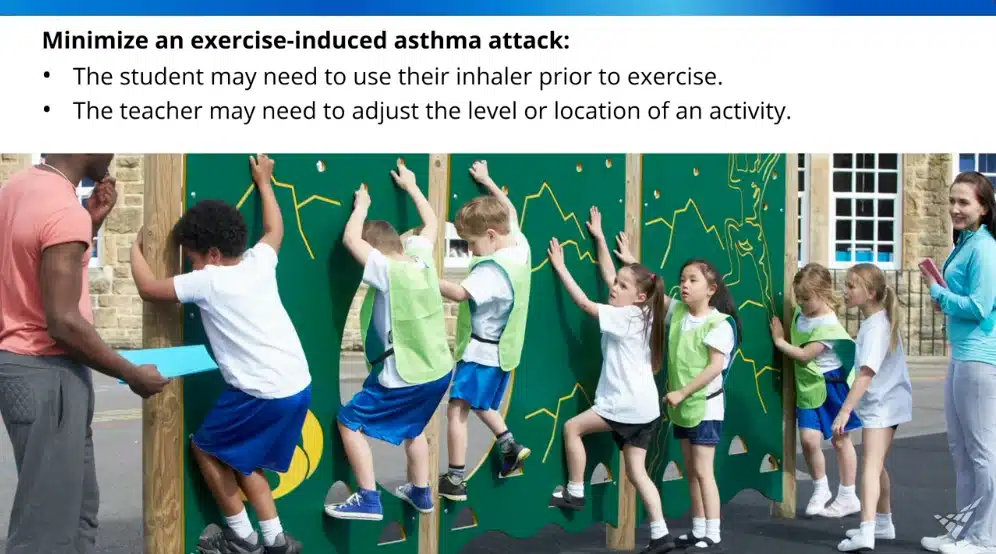
Can students with asthma participate in exercise?
It is safe for students to participate in exercise and exercise induced asthma can be effectively treated and controlled. School staff should ensure that the student has rescue medication readily available and should halt activity if symptoms occur.
Can asthma be managed?
Asthma can be effectively managed, and the strategy usually consists of a combination of minimizing and avoiding contact with known triggers and use of medications. If a student needs to utilize their inhaler frequently during the day, this could be a sign they need more advanced care and the student’s parents should be notified.
Sample Video Transcript
Did you know that 2-3 students in the average classroom are asthmatic? Childhood asthma is a leading cause of chronic disease-related school absenteeism in the U.S., associated with more than 10 million missed school days annually. According to the American Lung Association, asthma is the most common chronic childhood disease in the United States. Approximately 1 out of every 10 students has asthma. This course focuses on asthma symptoms, treatment, and monitoring. It is designed for all school personnel who work with asthmatic students.


