








June 26, 2024 4 min read

Guide to Power Generation Safety Strategies
Industry:
Solution:
Power generation for utilities and energy companies is an essential industry involving dangerous processes. To reduce risk in the workplace, it’s important that organizations implement effective safety strategies.
In this blog, we’ll dive into the importance of safety in the energy generation industry and provide training resources you can implement at your organization.
Top 5 Power Generation Safety Risks
According to the Electrical Safety Foundation, 1,322 electrical fatalities occurred in the electric power generation industry between 2011-2022. During this same period, power station workers suffered from another 2,200 non-fatal electrical injuries. By identifying key causes, electric companies can move toward reducing workplace injuries and fatalities.
Top power generation safety threats include:
- Electrocution: Electrical hazards like shocks and arc flashes pose a serious risk in power plants, making up a big portion of workplace injuries.
- Slips, trips, and falls: Employees working at heights face the risk of falling, which can lead to sprains, strains, fractures, and other injuries.
- Environmental stress: High temperatures, exposure to hazardous chemicals, and other environmental factors can threaten employee health and safety.
- Confined spaces: The typical power plant is home to numerous confined spaces, which becomes dangerous when employees can’t make their way out.
Fires and explosions: Boiler fires and explosions are a major risk in thermal power plants, resulting from equipment failures or combustible materials.

What Should a Power Plant Safety Program Include?
A robust electrical generation safety program is essential for minimizing risks and protecting your workforce. In this section, we’ll explore best practices, key components, and effective training solutions for enhancing safety in electrical plants. We’ll also provide valuable resources to help you implement these strategies within your organization.
Best Practices for Power Plant Safety
There are a variety of best practices you can implement in your organization to enhance energy and utilities generation safety. Some examples include:
- Identifying and addressing areas of risk. Organize and document potential risks such as heights, confined spaces, fire hazards, etc.
- Prioritizing critical equipment. Ensure your employees wear personal protective equipment (PPE), identify and label machine and equipment hazards, and use electrical protection devices.
- Increasing employee safety sessions: Utilize on-the-job and online safety courses to create a blended training approach to raise awareness of power plant safety issues.
- Conducting regular inspections. Stay on the lookout for key signs of common power generation safety risks, and regularly inspect them.
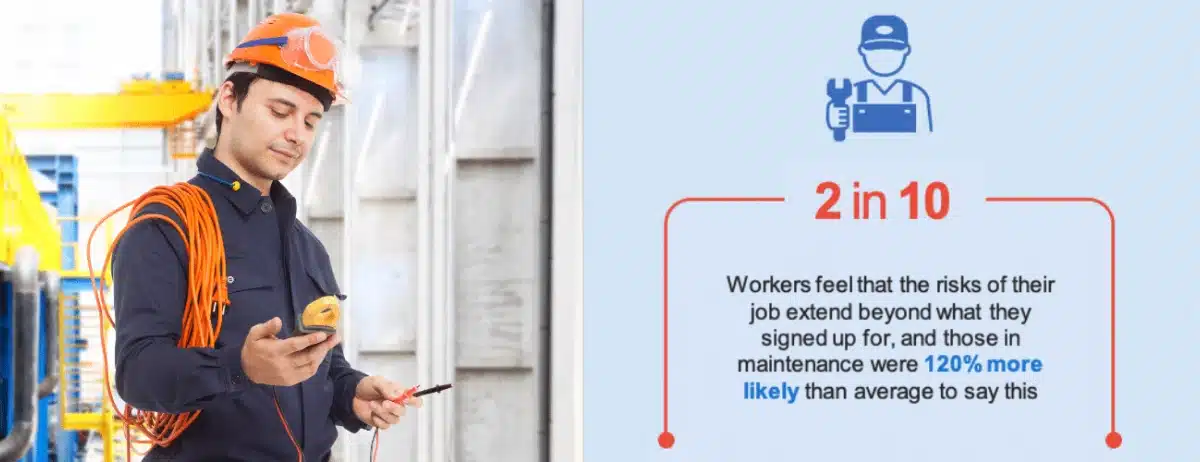
- Encouraging a strong safety culture. Foster a safe, productive work environment to counteract this statistic. 2 in 10 workers feel that the risks of their job extend beyond what they signed up for.
Online Power Generation Training with Vector Solutions
“The benefit of using [Vector] training is that I can certify that everyone at the plant has a certain level of knowledge to be able to do their job. And we can minimize the downtime of the power plants, minimize the downtime of equipment, and ensure that the operators feel comfortable operating the equipment and working on safety and understanding the thermodynamics, the physics, everything.”
– Daniel Alexander, Corporate Trainer
The energy generation process is full of risks. Therefore, it’s vital that your workforce is well-trained and prepared to reduce power plant safety incidents and injuries.
At Vector Solutions, our Power Generation Online Training Library is designed to teach all the core skills an operator, technician, engineer, or manager needs to do their job. Learn more about the safety and skills training this plan offers in the following sections.
Power Generation Online Training Library
Vector Solutions offers a robust curriculum for power plant employees, designed to teach all the core skills an operator or manager needs to do their job.
Download Library
Key Power Plant Safety Topics for Safety Training
Our training library covers a wide range of utility safety topics, including:
EHS Management for Energy Plants
Here at Vector Solutions, we strive to deliver efficient and effective digital solutions to fulfill your workplace needs.
Our EHS Management Software connects all areas of safety into one readily accessible platform. By utilizing this platform to address energy and utilities generation safety, you can:
- Save time on admin tasks
- Ensure OSHA compliance
- Reduce loss and incident costs
- Streamline reporting
- Protect employee health and safety
Benefits of Addressing Plant Safety
Data shows that with proper power plant health and safety training, power generation companies see reductions in risk and injury rates.
For instance, focused safety training has reportedly contributed to improved awareness and prevention measures, reducing the overall risk of injuries related to power generation work.
Some additional benefits of electrical generation safety include:
- Enhanced knowledge and skills: Detailed training on safety protocols helps boost industry specific knowledge in your workforce.
- Improved understanding of industry standards: Component-specific safety measures prevent accidents. Offer your employees a better grasp of turbines, boilers, and electrical systems.
- Safer operations: Decrease workplace incidents and improve emergency response preparedness with safer workplace operations.
- Regulatory compliance: Adherence to safety standards reduces legal risks and leads to better preparedness for audits and inspections.
- Enhanced employee morale: Improved job satisfaction and security is essential, as is the attraction and retention of skilled workers.
Emerging Safety Trends in Energy Generation Industry
It’s crucial to stay ahead of emerging safety trends. Understanding these trends can help organizations anticipate and mitigate new risks, ensuring the safety of their workforce and the reliability of their operations.
Integration of Advanced Technologies
Advanced technologies such as AI, IoT, and machine learning are increasingly being integrated into power generation facilities. These technologies offer various safety benefits:
- Predictive maintenance: AI-driven predictive maintenance tools can identify potential equipment failures before they occur, reducing the risk of accidents.
- Remote monitoring: IoT sensors allow for real-time monitoring of equipment and environmental conditions, enabling swift responses to any disruptions.
- Automated safety procedures: Machine learning algorithms can automate safety checks and protocols, ensuring consistent and reliable safety practices.
How can AI Improve Workplace Safety?
Learn how to define and think about AI specifically for safety, review common use cases for AI and workplace safety, and discover best practices for assessing the risk and benefits of using AI tools for safety.
Watch Webinar
Emphasis on Safety Culture
Building a strong safety culture is becoming a top priority for many organizations. This involves:
- Leadership commitment: Leaders must demonstrate a genuine commitment to safety, fostering a culture where safety is prioritized.
- Employee involvement: Encouraging employees to take an active role in safety initiatives helps build a sense of ownership and accountability.
- Continuous improvement: Regularly reviewing and updating safety protocols based on feedback and new information guarantees that safety practices remain effective and relevant.
Regulatory Changes and Compliance
Staying compliant with evolving regulations is critical for maintaining power generation safety standards:
- Regulatory updates: Keeping up to date with changes in safety regulations solidifies that your safety practices are compliant and effective.
- Training and education: Regular training sessions to educate employees about new regulations and safety standards help maintain a knowledgeable and compliant workforce.
By staying informed about these emerging trends and integrating them into your safety programs, you can create a safer working environment. Utilizing advanced technologies, fostering a strong safety culture, and staying compliant with new regulations are all essential steps toward achieving this goal.
Vector EHS Management Software
Manage your entire environmental health and safety program in our configurable system to save time and improve efficiency in your safety department
Learn More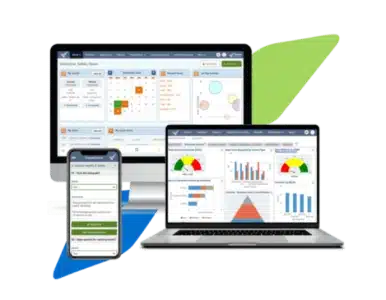
How Vector Solutions Helps Utilities and Power Generation Companies
“We are devoted to promoting and facilitating safety to our employees and community at large. With [Vector], we make sure no part of our safety program is overlooked.”
– Safety Specialist, Lincoln Electric System
At Vector Solutions, we work to provide innovative software tools and online training courses to improve your organization’s safety and compliance.
Learn more about our award-winning power generation safety courses and how to manage your entire environmental HSE program in our configurable system. Request a demo today and learn more.