










Health Emergencies: Diabetes Awareness
Diabetes is one of the most common chronic conditions affecting students today, and schools play a vital role in supporting student health and safety. Awareness of diabetes is critical for creating a safe and supportive school environment where students can thrive. When school staff understand the signs of blood sugar complications and know how to respond appropriately, they help prevent medical emergencies and reduce interruptions to learning. This course emphasizes the importance of school-wide awareness, proactive planning, and timely response to ensure students with diabetes feel supported, safe, and ready to learn.


Demos + Pricing
Learn more about our courses, get pricing, and see our platform.
Course Details
Learning Objectives
- Understand how diabetes affects blood sugar levels
- Identify tools commonly used to monitor and manage blood sugar
- Recognize the signs and symptoms of hypoglycemia
- Outline the steps for providing first aid during a hypoglycemic episode
- Recognize the signs and symptoms of hyperglycemia
- Outline the steps for providing first aid during a hyperglycemic episode
Specs
- English (US)
- Spanish (US)
- Spanish (European)
- Spanish (Mexican)
- French (Canada)
- French (European)
- Arabic
- Chinese (Simplified Mandarin)
- Chinese (Traditional Mandarin)
- Filipino Tagalog
- German
- Hindi
- Italian
- Japanese
- Korean
- Portuguese (Brazilian)
- Portuguese (European
- Russian
- Thai
- Vietnamese
Frequently Asked Questions
What is diabetes, and how does it affect students in school?
Diabetes is a chronic medical condition in which the body either does not produce enough insulin or cannot use insulin effectively to regulate blood sugar (glucose). In a K-12 school environment, students with diabetes must carefully manage their condition throughout the day. This may involve checking their blood sugar levels, taking insulin, monitoring their food intake, and staying active. Without proper support and awareness, students with diabetes may face challenges in both their health and learning. School staff play a vital role in helping students safely manage their diabetes while participating fully in academic and extracurricular activities.
What are the signs of low blood sugar (hypoglycemia)?
Hypoglycemia occurs when a student’s blood sugar drops below a healthy range. Common symptoms include shakiness, sweating, irritability, dizziness, headaches, confusion, pale skin, and fatigue. In younger children, symptoms might also present as mood changes or difficulty paying attention. If not addressed promptly, hypoglycemia can lead to fainting or seizures. Recognizing these signs early and responding quickly by providing fast-acting carbohydrates (like juice, glucose tablets, or candy) can prevent more serious outcomes. Every student with diabetes should have an individualized care plan that outlines how to respond to low blood sugar episodes.
What are the signs of high blood sugar (hyperglycemia)?
Hyperglycemia happens when a student’s blood sugar is too high, often due to insufficient insulin, stress, illness, or excessive carbohydrate intake. Symptoms can include frequent urination, increased thirst, blurred vision, dry mouth, fatigue, and nausea. While hyperglycemia typically develops gradually, it can lead to serious complications like diabetic ketoacidosis (DKA) if untreated. Teachers and staff should notify the school nurse or follow the student’s care plan if these symptoms are observed. Monitoring and early intervention can help prevent serious health risks and allow the student to remain safe and focused at school.
How can school staff support students with diabetes?
School staff can support students by becoming familiar with diabetes basics and reviewing each student’s Diabetes Medical Management Plan (DMMP) or Individualized Health Plan (IHP). This includes knowing when and how students monitor their blood sugar, when they may need insulin or snacks, and what to do in an emergency. Staff should provide students with a supportive, nonjudgmental environment, allow necessary breaks for diabetes management, and ensure quick access to emergency supplies. Additionally, staff should know how to contact the school nurse or trained diabetes personnel when needed. Proactive planning and communication help create a safe, inclusive space where students with diabetes can thrive.
Sample Video Transcript
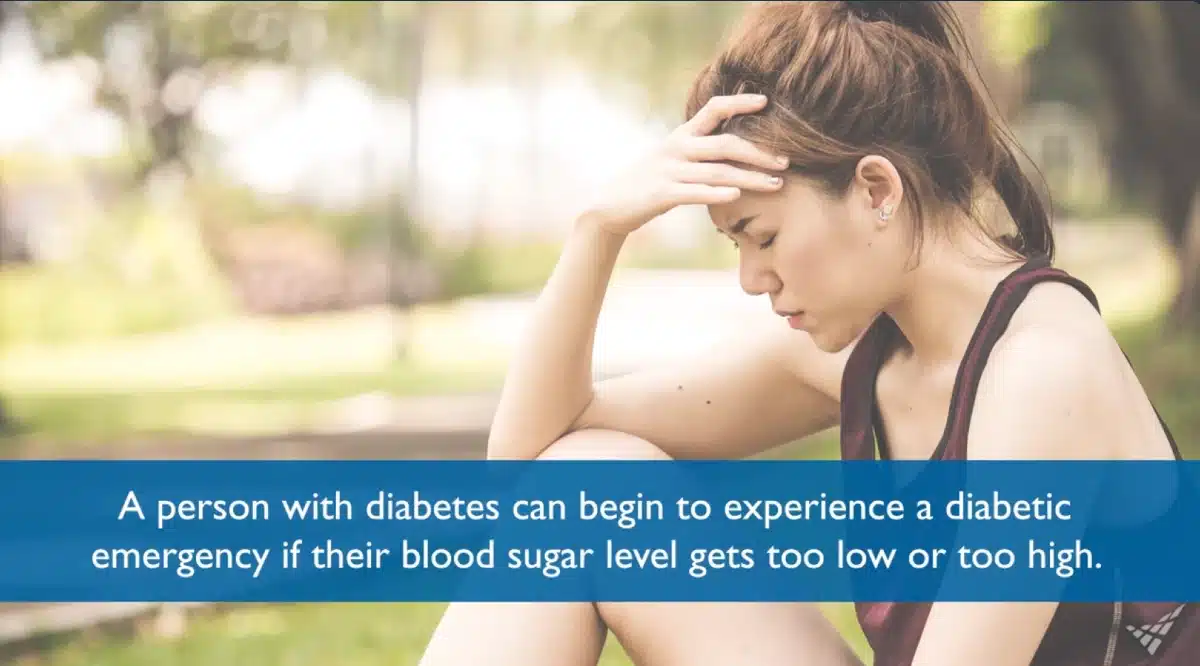
A person with diabetes can begin to experience a diabetic emergency if their blood sugar level gets too low or too high. To help you determine what’s wrong, it’s good to know that symptoms that people with diabetes may experience if they have low blood sugar or high blood sugar. Once you’ve determined that a person with diabetes is suffering from low or high blood sugar, you can then give the person proper first aid.
The symptoms of hypoglycemia, or low blood sugar, include hunger, tingling around the mouth, headache, confusion, pale skin, swearing, shakiness, dizziness, moodiness, or behavior changes, clumsy and jerky movements, or seizures.


