











Heat Transfer Theory and Applications for Schools
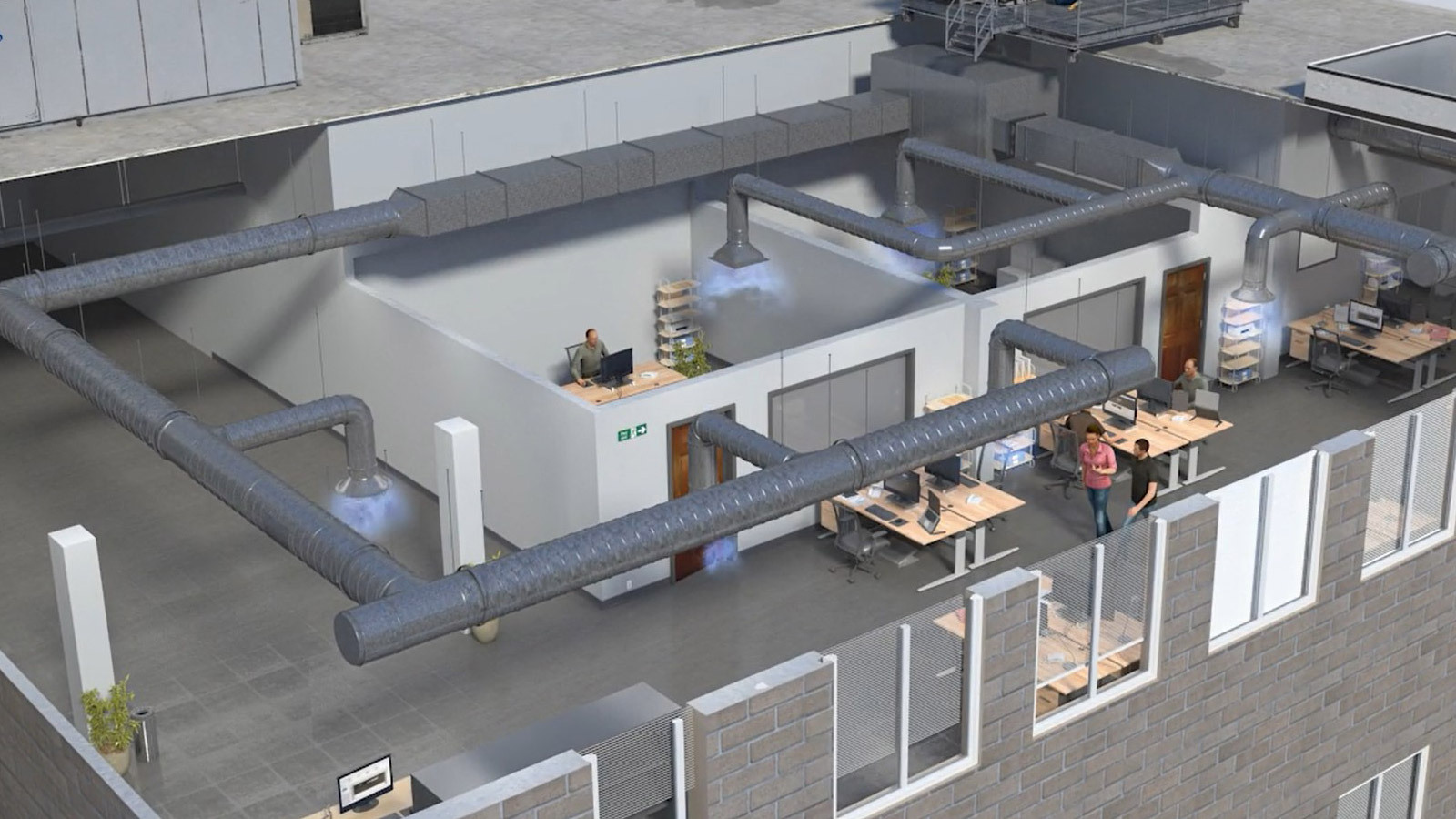
Heating and cooling systems are used to transfer heat from one place to another in order to control the climate in enclosed spaces. Industrially, heating and cooling equipment is used to control chemical reaction rates, evaporate liquids, condense vapors, maintain the properties of materials, and wash, dry, preheat, and cook substances. In addition to being heated or cooled, equipment and buildings are often insulated in order to prevent heat transfer to or from the surrounding environment. This course describes why heat transfer occurs, the three different modes of heat transfer, factors that can affect the heat transfer rate, how typical heat exchangers (which facilitate the transfer of heat) are designed and operated, and common heat exchanger issues.
Demos + Pricing
Learn more about our courses, get pricing, and see our platform.


