November 25, 2025 1 min read

From Paper to Power: A Quick Guide to Digitizing and Elevating Your Work-Based Learning Program
Industry:
Solution:
Why Digitization Matters Now
CTE programs are expanding rapidly, and districts must now meet growing employer demands and stricter state reporting requirements. However, many still rely on outdated processes like paper forms and spreadsheets for managing work-based learning (WBL) programs, which can’t keep up.
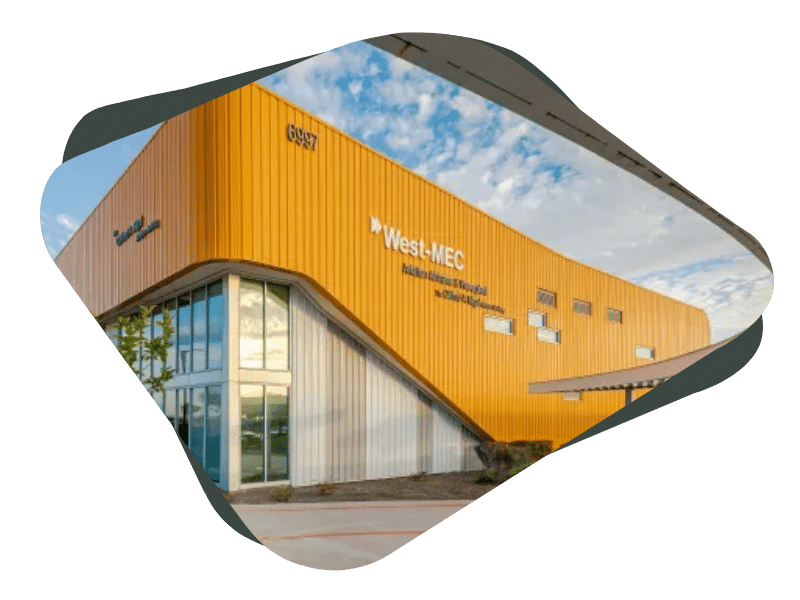
Susan Leon, Work-Based Learning Specialist at West-MEC, and Kara Pontius, Customer Success Manager at Vector Solutions, shared key digital solutions for overcoming today’s top WBL challenges during a recent Vector Solutions webinar.
The Core Challenges Districts Face with Managing Work-Based Learning
Managing work-based learning (WBL) programs at scale is becoming increasingly difficult as districts juggle growing student participation, complex employer networks, and tight state reporting requirements. Many of the daily struggles stem from manual, inconsistent, or decentralized systems that create gaps in documentation and communication. Below is a clearer look at the core challenges districts encounter when trying to run effective WBL programs.
1. Student Tracking
Many districts rely on outdated, paper-heavy systems that make it difficult to maintain accurate, accessible student records.
- Hours spread across paper logs and spreadsheets: Staff spend unnecessary time reconciling formats, leading to errors and incomplete hour totals.
- Inconsistent documentation for internships, externships, or job shadows: Each experience may be tracked differently, resulting in gaps when validating requirements.
- Students struggle to easily retrieve records for colleges or employers: Without a centralized system, students often rely on teachers to locate old forms, resulting in delays and missed opportunities.
2. Employer & Advisory Council Management
Districts often lack a unified system to manage employer relationships, resulting in confusion and duplicated efforts.
- Business partner information scattered across campuses: Each site keeps its own data, making collaboration and coordination nearly impossible.
- Duplicate outreach to employers: Multiple staff unknowingly contact the same organizations, damaging credibility and causing partner fatigue.
- No clear engagement history: Without a record of past interactions, leaders cannot track partnership effectiveness or plan strategic outreach.
3. State Reporting & Compliance
Manual reporting processes leave districts vulnerable to errors, missing data, and audit challenges.
- Manual data entry: Staff must collect and re-enter information, which significantly increases workload and risk of inconsistencies.
- Missing or inconsistent fields: Incomplete logs and forms make it difficult to meet state reporting guidelines.
- No longitudinal tracking for audits or accreditation: When data isn’t stored year over year, districts lack evidence for compliance reviews and program evaluation.
4. Staff Capacity
Teachers and WBL coordinators struggle to keep up with documentation demands on top of their instructional responsibilities.
- Teacher frustration with forms and follow-up: Educators lose valuable instructional time navigating complicated forms and chasing missing paperwork.
- WBL coordinators overwhelmed by paperwork: Coordinators spend more time processing documents than supporting student experiences.
- New teachers unsure where to begin: Without clear systems, new staff often feel unprepared to manage WBL requirements effectively.
What Digitizing WBL Makes Possible
West-MEC’s shift to Vector Pathways is a strong example of digital transformation, showing tangible improvements in efficiency, documentation, and program management.
Faster, Cleaner Documentation
Digital agreements with encrypted signatures replaced paper forms stored in boxes, email threads, and Google Drives.
Real-Time Visibility
Administrators, teachers, and coordinators see:
- Student Hours
- Active Experiences
- Completed Evaluations
- Employer Engagement, All Viewed From a Single Dashboard
Automated Reporting
Instead of building spreadsheets manually, staff can export a clean, state-ready report in seconds.
Stronger Employer Relationships
Transparent, centralized records prevent duplicate outreach and help leaders prepare for meetings with accurate engagement histories.
Better Student Outcomes
Students can print a transcript of all their WBL experiences, a powerful asset for interviews, college credit, or apprenticeships.
“We wanted a comprehensive product. We were happy to find Vector Pathways because it offered everything we needed in one place. The transparency and the centralization of having a system that everybody has access to has helped with a lot of pain points that we had with our work-based learning processes.”
Susan Leon
Work Based Learning Specialist, West-MEC
Quick-Start Digital Strategy
To help districts move toward a more efficient and scalable WBL model, here is a practical roadmap for starting the digital transition. Each step focuses on building clarity, consistency, and sustainability across campuses.
Step 1 — Identify Pain Points
Start by understanding where your current processes break down and which tasks consume the most time.
- Common issues include lost agreements, inconsistent hour logs, or unclear employer data. These breakdowns highlight high-impact areas where digitization can help first.
Step 2 — Digitize Forms & Workflows
Move the most frequently used documents into a digital workflow for greater accuracy and reduced staff burden.
Prioritize:
- Agreements: Digitizing these ensures they’re trackable, organized, and easy to approve.
- Training plans: Digital versions reduce confusion and prevent outdated copies from circulating.
- Timesheets: Automated logs minimize errors and prevent missing or duplicate entries.
- Evaluations: Online forms help ensure timely, consistent performance assessments.
Encrypted signatures and automated alerts eliminate the need to chase paperwork: Alerts keep students and staff on track without manual reminders.
Step 3 — Centralize Employer Records
Build a single database that every campus can use.
- A single partner database prevents duplication, improves communication, and fosters credibility within the industry: This transparency helps districts manage relationships strategically.
Step 4 — Automate Reporting
Use dashboards to turn raw data into clear, actionable insights.
Dashboards help districts:
- Track hours: Quickly assess student progress across programs.
- Monitor campus participation: Identify uneven engagement and allocate support accordingly.
- Identify equity gaps: Spotlight which student groups may need more access or support.
- Support accreditation and audits: Centralized data ensures readiness for any compliance review.
Step 5 — Train & Support Staff
Offer ongoing support to ensure consistent, confident use of digital systems.
Professional Development Directors can offer:
- Short micro-PD sessions: Bite-sized trainings help staff build confidence without overwhelming their schedules.
- New teacher onboarding support: Embedding WBL process training early ensures consistency from day one.
- Clear district-wide processes: Standard expectations reduce confusion and drive equitable experiences across campuses.
How Vector Pathways Helps
Vector Pathways simplifies WBL management by offering:
- All-in-one platform for hours, placements, and evaluations.
- Central employer database tied to advisory councils and experiences.
- Automated dashboards and reporting for state and district needs.
- Student-friendly tools for logging experiences and generating records.
- Scalability for large or rapidly growing districts like West-MEC.
West-MEC now utilizes the platform to support over 30 programs, 1,500+ students, and hundreds of employer partnerships, all with cleaner, faster, and more accurate data.