A training management system tailored for the fire service—track all training, EMS recerts, skill evaluations, ISO, and more for 100% of training in one place.
A training management system tailored for EMS services—EMS online courses for recerts, mobile-enabled skill evaluations, and more for 100% of training in one place.
Increase performance, reduce risk, and ensure compliance with a training management system tailored for your FTO/PTO and in-service training for 100% of training in one place.
Integrated solution purpose-built for modern regulatory demands. ArdentSky, delivers automated, integrated compliance solutions trusted by global gaming manufacturers, operators, and suppliers.
How to Conduct a Safety Audit: Steps, Checklist, and Best Practices
Contents
Blog
November 18, 2025 5 min read
Share:
How to Conduct a Safety Audit: Steps, Checklist, and Best Practices
Industry:
Commercial EnterpriseIndustrial
Solution:
SafetyVector EHS Management
Share:
Health and safety audits are one of the most effective ways to uncover risks, strengthen compliance, and create a safer workplace. According to the U.S. Bureau of Labor Statistics, private industry employers reported over 2.7 million nonfatal workplace injuries and illnesses in a single year. Many of these incidents could have been prevented with regular, well-structured audits (and safety audit software) that identify hazards before they cause harm.
In this guide, we’ll walk through how to conduct a safety audit, what to include in your safety audit checklist, and how modern EHS tools can simplify and strengthen every step of the process.
Key Takeaways
Regular safety audits protect employees and improve compliance.
A structured, comprehensive checklist ensures consistency.
EHS software reduces administrative burden and boosts visibility.
Continuous improvement is the foundation of a strong safety culture.
What Is a Safety Audit?
A safety audit is a structured review of your organization’s safety programs, processes, and performance. It examines how effectively safety procedures are being followed, identifies compliance gaps, and highlights opportunities for improvement.
Unlike a one-time inspection that focuses on a specific area or incident, a safety audit provides a comprehensive look at your entire safety management system—from employee training and equipment maintenance to hazard identification and corrective actions.
Take the Guesswork Out of Safety Audits
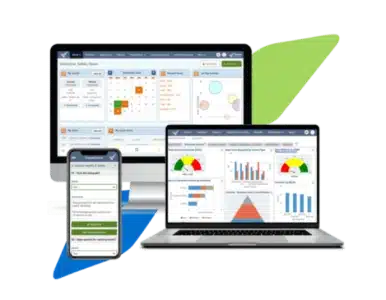
With Vector EHS Audit Software, your team can standardize audit processes, uncover risks faster, and stay compliant with evolving regulations.
Conducting regular safety audits does more than help you meet OSHA or industry standards. It’s a proactive strategy to protect your people, reduce costs, and reinforce a strong safety culture.
Here’s what effective auditing can do:
Standardize processes across sites and teams.
Detect hazards early before they lead to injuries or fines.
Hold teams accountable for safety performance.
Drive continuous improvement with actionable data and insights.
How to Conduct a Safety Audit (Step-by-Step)
Conducting a safety audit may seem complex, but breaking it into clear steps makes it manageable and effective. The steps below outline a practical approach any organization can follow to strengthen safety performance and compliance.
1. Define the Scope and Objectives
Before you start the audit, clearly define its purpose and boundaries. Determine what areas, departments, or facilities will be included and what specific goals you want to achieve.
Consider these factors when setting your scope:
Regulatory requirements: Identify applicable OSHA standards or industry regulations.
Risk level: Focus first on high-risk operations, equipment, or processes.
Audit frequency: Establish how often each type of audit should be conducted (monthly, quarterly, annually).
Defining your objectives upfront ensures your audit stays focused, efficient, and aligned with both compliance needs and organizational goals.
2. Prepare a Safety Audit Checklist
A strong safety audit checklist is the backbone of a successful audit. It ensures that no detail is overlooked and that every audit follows a consistent structure.
Your checklist should include categories such as:
PPE and Equipment: Are employees wearing proper protective gear?
Work Areas: Are aisles, exits, and storage areas clean and unobstructed?
Machinery: Are guards, controls, and emergency stops functioning correctly?
Training and Documentation: Are employees up to date on required safety training?
Emergency Procedures: Are evacuation plans visible and drills conducted regularly?
Tip: Vector EHS Management includes customizable pre-built checklists, allowing safety teams to save time while ensuring full compliance with internal and regulatory standards.
3. Conduct On-Site Inspections
Now it’s time to see what’s really happening on the floor. Conduct inspections using your checklist as a guide, observing work areas, talking with employees, and taking detailed notes or photos.
Engage with workers directly. They often have valuable insights into day-to-day safety challenges that might not show up in reports. Ask open-ended questions such as:
“What safety hazards concern you the most?”
“Are there procedures that are difficult to follow or unclear?”
“Have you noticed any recurring issues that need attention?”
Taking a collaborative approach builds trust, encourages honesty, and results in more meaningful findings.
4. Document Findings Thoroughly
Documenting findings is more than checking boxes. Each observation—whether positive or negative—should be captured clearly and consistently.
Include:
Descriptions of hazards or violations
Photos or video evidence when appropriate
Responsible departments or individuals
Severity or priority level for each issue
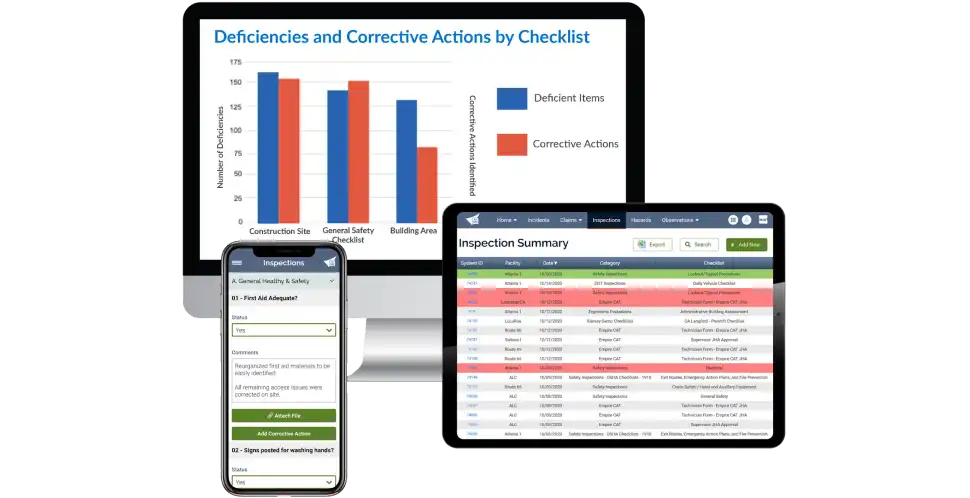
Good documentation makes it easier to follow up, report on progress, and demonstrate compliance during external audits or inspections. With digital health and safety audit software, you can record findings in real time and generate reports automatically.
Streamline Your Safety Inspections with Vector EHS
Simplify inspections, automate follow-ups, and gain real-time visibility into safety performance across every site.
Once you’ve identified issues, assign clear corrective actions and responsibilities. Each task should include:
A description of the problem
A corrective or preventive action plan
A deadline for completion
The person or team accountable
Tracking these actions manually can be time-consuming and error-prone. Automated EHS systems help by sending reminders, tracking completion, and escalating overdue items to management. This level of accountability ensures that findings lead to tangible improvements, not forgotten paperwork.
6. Analyze and Report Results
After completing the audit, take time to analyze what the data is telling you. Look beyond individual issues to uncover trends or patterns across locations, departments, or time periods.
For example:
Are the same types of hazards reappearing in multiple audits?
Are certain departments consistently lagging in compliance?
Is corrective action turnaround improving or slowing down?
Summarize these insights in a clear, visual report. Use charts, dashboards, and summaries to make data easy for stakeholders to interpret. Sharing audit results with leadership, supervisors, and frontline employees promotes transparency and reinforces shared responsibility for safety performance.
7. Follow Up and Continuously Improve
An audit’s real value comes after it’s completed. Follow up on corrective actions, confirm they were implemented effectively, and reassess areas of concern.
Continuous improvement should be built into your audit cycle. Use previous findings to update your safety policies, refresh employee training, and adjust your audit checklist. Over time, this iterative approach helps create a safer, more resilient workplace.
Organizations that treat audits as an ongoing learning process rather than a one-time event see measurable reductions in incidents, downtime, and costs.
Sample Safety Audit Checklist
Here’s a condensed example of what your checklist might include:
Category
Audit Questions
PPE & Equipment
Are employees provided with and properly using PPE?
Work Areas
Are aisles clear and free of obstructions?
Machinery
Are guards and emergency stops functioning correctly?
Training
Have all required safety trainings been completed and documented?
Emergency Procedures
Are exits marked, and drills conducted regularly?
Incident Reporting
Are incidents and near misses logged and reviewed promptly?
Simplify Your Safety Audits with EHS Software
Manual audits can be time-consuming and prone to human error. Safety audit software, like Vector EHS Management, automates many of these steps, making audits faster, more consistent, and easier to scale across multiple sites.
With Vector EHS, you can:
Access pre-built and customizable safety checklists
Assign and track corrective actions in real time
Generate audit reports instantly
Ensure compliance with OSHA and industry standards
Streamline safety auditing from start to finish with Vector EHS Management