











Laser Safety
Lasers have become an integral part of society. They are used in everything from fiber optic communication systems to surgical procedures to barcode scanners and laser levels. The practical applications of lasers are almost unlimited.
This course describes laser light, how lasers work, and different types of lasers. It explains the different laser classifications, describes engineering and administrative controls used on and around lasers and lists laser hazards and safety guidelines.


Demos + Pricing
Learn more about our courses, get pricing, and see our platform.
Course Details
Learning Objectives
At the end of this course, you will be able to:
- Describe laser light
- Describe how lasers work
- Identify the different types of lasers
- Differentiate between the different laser classifications
- List different engineering and administrative controls
- Differentiate between specular reflection and diffuse reflection
- List laser hazards and safety guidelines
Specs
Frequently Asked Questions
What does LASER stand for?
What is a laser?
What are the different types of lasers?
How are lasers classified?
What are the laser classifications?
What is the greatest hazard involved with laser use?
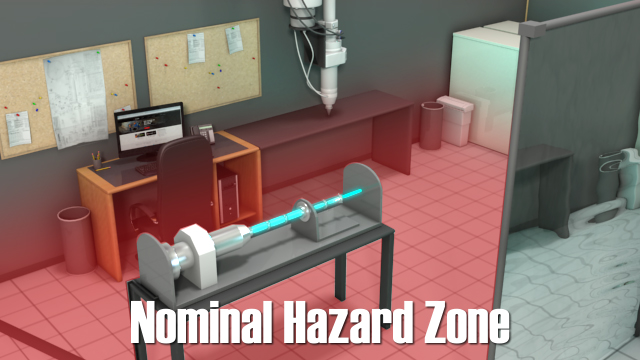
What is a nominal hazard zone (NHZ)?
Is it safe to direct a laser beam directly at someone?
Sample Video Transcript
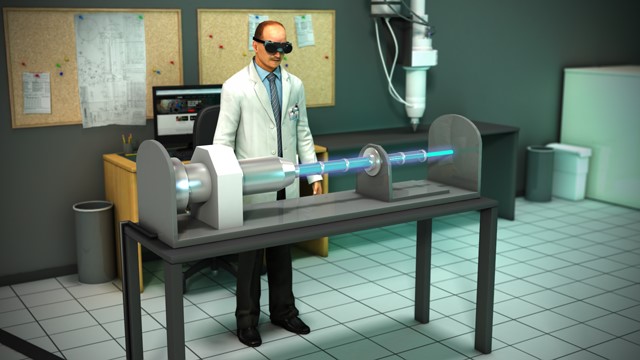
There are two types of reflection hazards that are associated with high powered lasers. These are specular reflections and diffuse reflections. Specular reflections are caused by a laser beam contacting a smooth reflective surface and then bouncing in another singular direction. A specular reflection can almost be as hazardous as the incident beam. Care must be taken to not leave any reflective metals or surfaces inside the nominal hazard zone where they could be reflected. Diffuse reflections are caused by a laser beam contacting a rough reflective surface and bouncing in multiple directions. Diffuse reflections are lower energy than the incident beam. Diffuse reflections from Class IV lasers may cause eye and skin hazards.
Additional Resources
- U.S. Department of Labor’s Occupational Safety & Health Administration (OSHA) – www.osha.gov
- OSHA Safety and Health Topics https://www.osha.gov/SLTC/laserhazards/index.html
- OSHA Alliance – https://www.osha.gov/dcsp/alliances/lia/lia.html


