











Current, Voltage, and Resistance
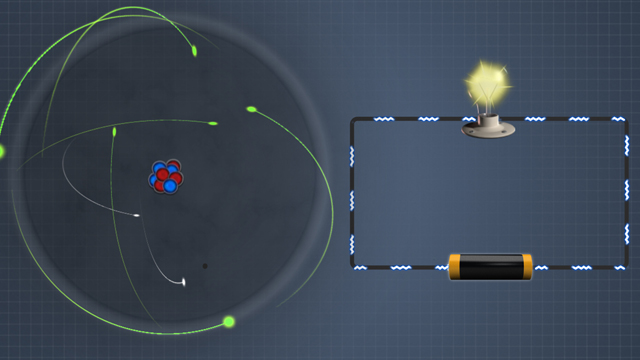
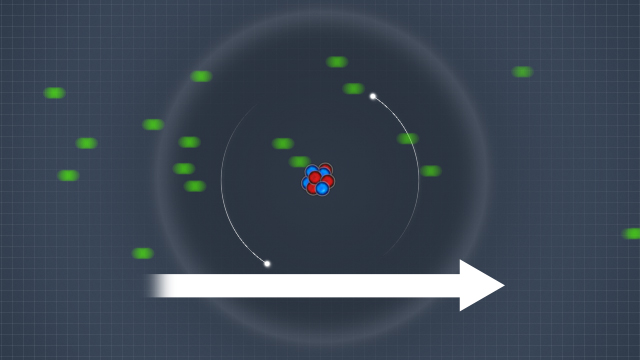
Electricity is a form of energy, and when considering circuits, electricity is defined as a flow of electrons. The flow of electrons is called current. Current flow occurs under the influence of a charge difference that is called voltage. Resistance is the tendency of a component to hinder the flow of current. This course briefly reviews the aspects of atomic structures that allow the flow of electricity and then describes the relationship between current, voltage and resistance in an electrical circuit.



Demos + Pricing
Learn more about our courses, get pricing, and see our platform.
Course Details
Learning Objectives
• Describe what makes up electricity • Describe how electrical current is created • Define voltage • List different sources of voltage • Describe electrical resistance • Describe the meaning of Ohm’s Law • Identify the difference between direct and alternating current
Specs
Frequently Asked Questions
What type of charged particles orbit around the nucleus of an atom?
What is an electrical current in a conducting material?
What is voltage?
Are resistance and resistivity the same?
How are current, voltage and resistance related in an electrical circuit?
Sample Video Transcript
Most materials in their natural state, like the atoms that make them up, have a balanced, or neutral charge. They have an equal number of negatively charge electrons and positively charged protons. There are situations in nature however where the charge distribution is imbalanced. For example, walking across a carpet can cause an accumulation of charge on your body. This occurs due to the dissimilar materials of the carpet and your shoes. When you reach for a door handle, the electric static spark that can occur is the result of the charge on your body coming to equilibrium with the charge of the door.


