










First Aid
This course provides an overview of key employee first aid issues and concerns. It will review scene safety, universal precautions, and what first aid procedures should be used for physical trauma, chronic conditions, fractures, burns, and bleeding. This course is not intended to replace hands-on CPR training. You must receive hands-on training from a qualified trainer.

Demos + Pricing
Learn more about our courses, get pricing, and see our platform.
Course Details
Learning Objectives
- Learn how to ensure scene safety and universal precautions
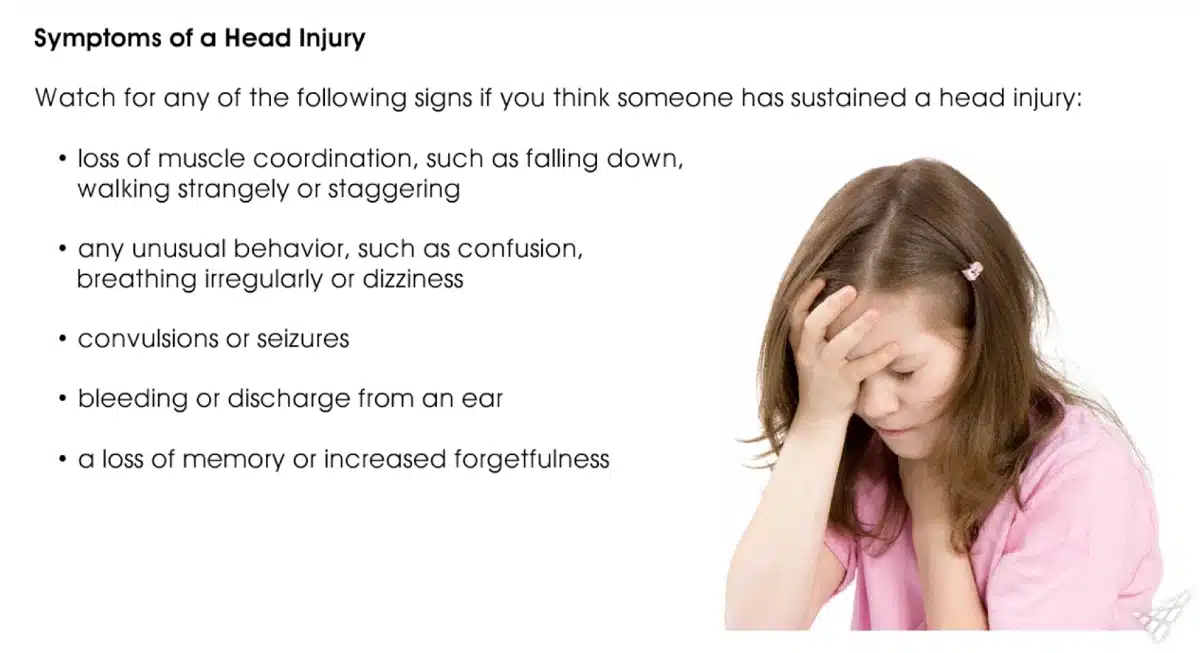
- Assess a student for signs of physical trauma, including visible injuries and potential internal harm.
- Monitor for symptoms related to chronic health conditions and respond appropriately based on known medical histories or emergency action plans.
- Identify the signs and symptoms of possible fractures and understand appropriate first-response actions.
- Treat minor to moderate burns using appropriate first aid techniques to reduce injury and prevent infection.
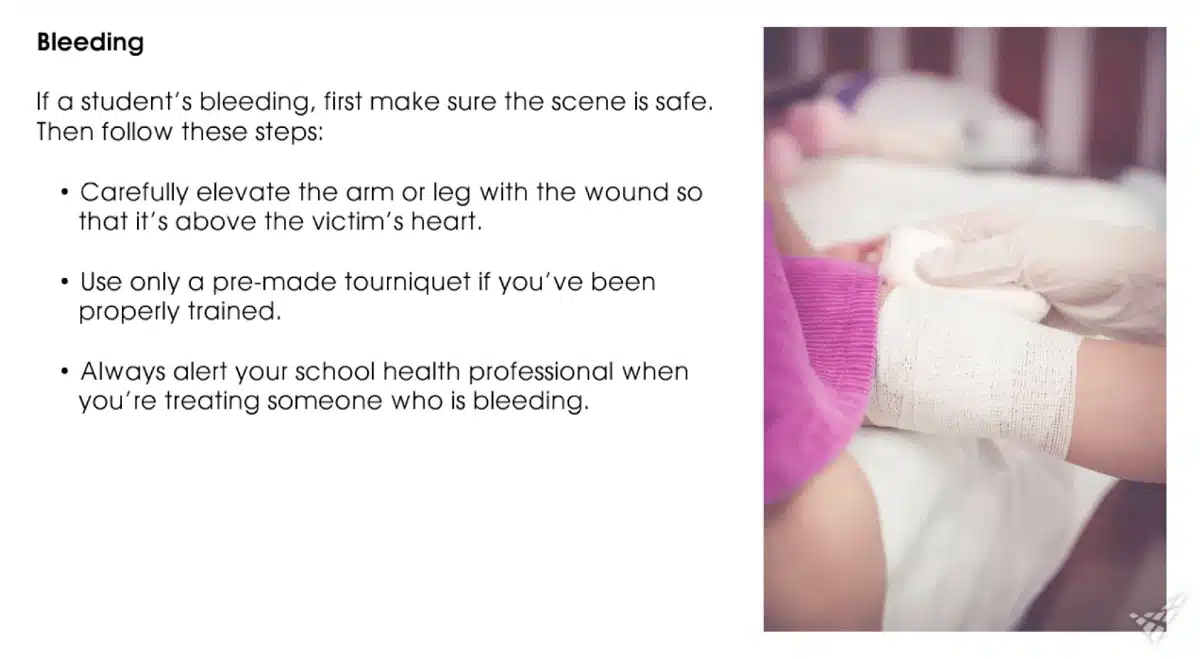
- Control external bleeding using effective pressure and bandaging techniques to stabilize the student until further medical help arrives.
Specs
- English (US)
- Spanish (US)
- Spanish (European)
- Spanish (Mexican)
- French (Canada)
- French (European)
- Arabic
- Chinese (Simplified Mandarin)
- Chinese (Traditional Mandarin)
- Filipino Tagalog
- German
- Hindi
- Italian
- Japanese
- Korean
- Portuguese (Brazilian)
- Portuguese (European
- Russian
- Thai
- Vietnamese
Frequently Asked Questions
What should staff do if a student is bleeding heavily?
In the event of heavy bleeding, staff should act quickly but calmly to ensure the student receives immediate care. Call the school nurse or emergency medical services (EMS) if the bleeding is severe or doesn’t stop after initial measures. If available, wear disposable gloves before applying direct pressure to the wound with a clean cloth or bandage to slow the bleeding. Keep the student still and calm, and elevate the injured area, if possible, without causing further harm. Do not attempt to remove any embedded objects from the wound. If bleeding soaks through the first cloth, place another one on top—do not remove the original. Stay with the student until medical help arrives and complete an incident report afterward.
How should staff assist a student who is choking?
If a student is choking and cannot speak, cough, or breathe, act immediately. First, ask if they are choking and encourage them to cough. If the airway is entirely blocked, perform the Heimlich maneuver (abdominal thrusts) by standing behind the student, wrapping your arms around their waist, and applying quickly, becoming unresponsive. If the student loses consciousness, carefully lower them to the ground and begin CPR if trained, while someone else calls 911. Always notify the school nurse and document the incident, even if the object is dislodged successfully. Choking is a medical emergency, and quick action can save a life.
What should school staff do when a student faints or appears to lose consciousness?
If a student is choking and cannot speak, cough, or breathe, act immediately. First, ask if they are choking and encourage them to cough. If the airway is fully blocked, perform the Heimlich maneuver (abdominal thrusts) by standing behind the student, wrapping your arms around their waist, and applying quick, inward, and upward thrusts. Repeat until the object is expelled or the student becomes unresponsive. If the student loses consciousness, carefully lower them to the ground and begin CPR if trained, while someone else calls 911. Always notify the school nurse and document the incident, even if the object is dislodged successfully. Choking is a medical emergency, and quick action can save a life.
What are the proper steps if a student has a suspected broken bone?
If you suspect a student has broken a bone, avoid moving the injured area and keep the student as calm as possible. Call the school nurse immediately and, if the injury is severe, contact EMS. Do not try to straighten the limb or push protruding bone back in. If there is visible bleeding, use a clean cloth to apply gentle pressure without disturbing the injury. Support the injured limb with a makeshift splint only if you’re trained to do so, or keep the limb immobilized using a soft cushion or clothing. Apply ice to reduce swelling but do not apply it directly to the skin—wrap it in cloth first. Notify the student’s emergency contact and follow up with a detailed incident report.
Sample Video Transcript
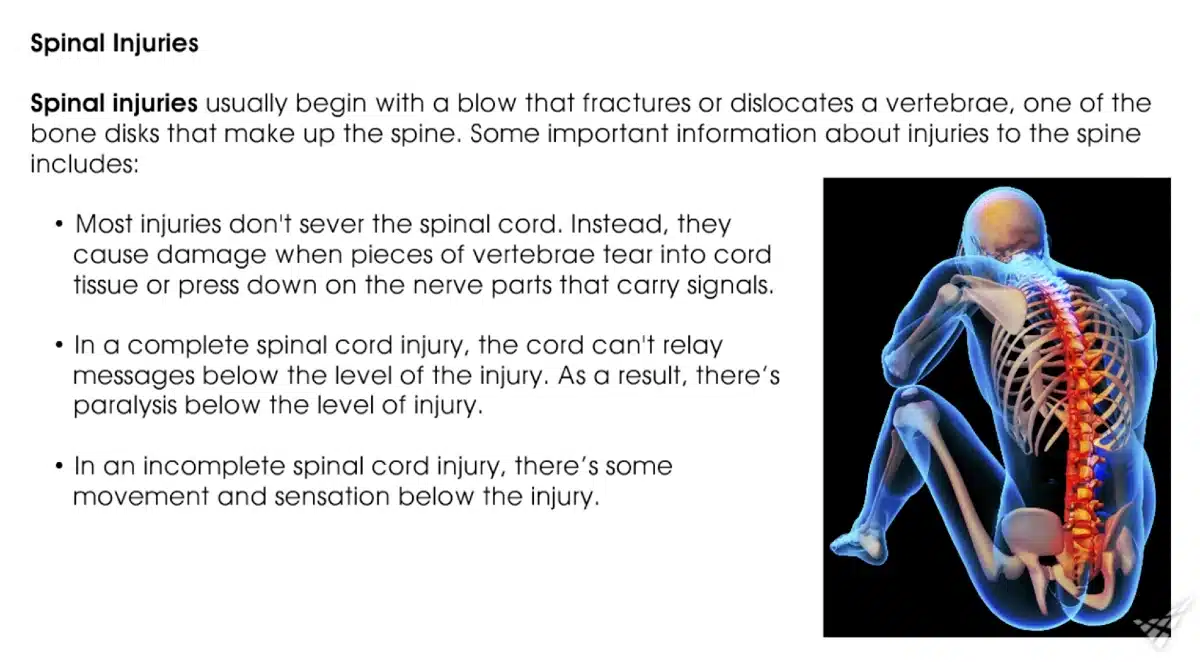
First aid procedures for a shock victim include these steps. Call 911 immediately for medical assistance. Next, alert your school health professional and that’s the students’ parents. Check the victim’s breathing and circulation, secure and maintain an open airway. If necessary, begin rescue breathing and/or CPR. Control bleeding, then treat other injuries. Prevent loss of body heat. If it’s cool or cold, cover the victim to keep him or her warm. Keep the victim lying down. If you suspect a spinal injury, don’t attempt to move the person and don’t feed the victim or give him or her anything to drink.


