











Heavy Equipment Safety Introduction
Heavy equipment is critical to the success of any construction project. The size and power of these machines also present a degree of risk to the workers who operate them and work around them.
This course will cover using personal protective equipment (PPE) correctly, mounting and dismounting a machine, performing walk-around inspections, and using seat belts for safety. It will explain the basic principles behind rigging a load to be lifted, discuss fall protection, and cover the process for locking out and tagging equipment that needs to be serviced. This course will also discuss blocking and cribbing equipment before maintenance and correct lifting techniques.

Demos + Pricing
Learn more about our courses, get pricing, and see our platform.
Course Details
Learning Objectives
By the end of this course, you will be able to:
- Discuss the use of various types of personal protective equipment
- Describe the correct method to mount and dismount a machine
- Explain how to perform a walk-around inspection
- Discuss the importance of using a seat belt
- Explain the difficulty of reduced visibility around heavy equipment
- Describe how to move equipment in tight spaces and when to use a spotter
- Explain the basic principles behind rigging a load to be lifted
- Describe how you can protect yourself from falls when working on elevated surfaces
- Explain the reason and techniques used to lockout and tag a piece of equipment prior to servicing
- Describe how to block or crib a machine that is going to be worked on
- Discuss how to avoid injuring your back when lifting
- Discuss recovery time and options for additional medical care for sprains and strains
Specs
Frequently Asked Questions
What is PPE and why is it necessary around heavy equipment?
What does it mean to maintain three points of contact when mounting or dismounting?
What is the purpose of a walk-around inspection?
What is the purpose of wearing a seat belt when operating heavy equipment?
What is a spotter?
What is lockout/tagout?
Sample Video Transcript
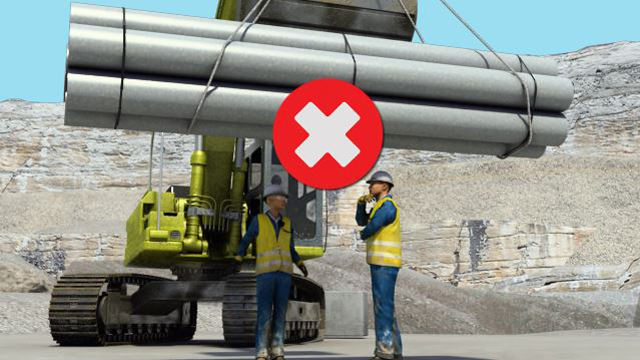
Prior to actually setting rigging, it is important for the rigger and machine operator to establish and maintain good communication. The consequences of the rigger having their hand under a sling that is unexpectedly tensioned up against a load by the machine operator could be disastrous. There are some important points that should be observed while setting up the rigging. The capacity of the lift sling, or slings, must exceed the weight of the item to be lifted. If a sling is not vertical, its vertical lift capacity is reduced. The more horizontal the leg of lift is, the more its capacity is reduced.
Additional Resources
- U.S. Department of Labor’s Occupational Safety & Health Administration (OSHA) – www.osha.gov
- OSHA Safety and Health Topics – https://www.osha.gov/SLTC/etools/hurricane/heavy-equip.html
- Caterpillar Safety Services – www.safety.cat.com
- Caterpillar Safety Services Heavy Construction – https://safety.cat.com/cda/layout?m=129926


