











Active Shooter Response
An active shooter is an individual actively engaged in killing or attempting to kill people in a confined and populated area. In many cases, active shooters use multiple firearms and there is often no pattern or method to their selection of victims. This course describes the best actions to take in an active shooter situation as well as the correct ways to interact with law enforcement officers.



Demos + Pricing
Learn more about our courses, get pricing, and see our platform.
Course Details
Learning Objectives
• State the approximate number of mass shootings since 2010 • Describe the value of having a personal active shooter response plan • List the three major components of an active shooter response plan • Describe some of the correct ways to interact with law enforcement officers at an active shooting
Specs
Frequently Asked Questions
What is the value of having a plan for responding to an active shooter?
What is the best first course of action you can take if faced by an active shooter?
What are some characteristics of a good hiding place?
When running from a shooter, why is it a good idea to put your hands in the air?
Is there any point in fighting a shooter?
Sample Video Transcript
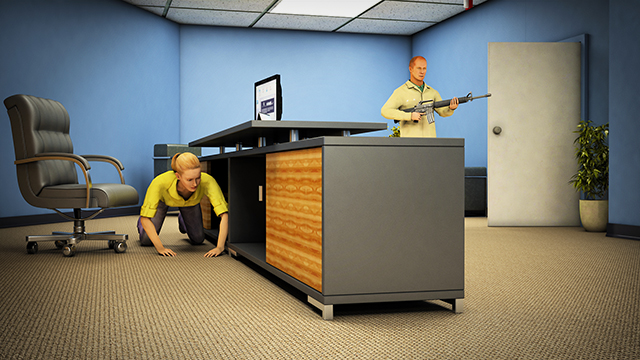
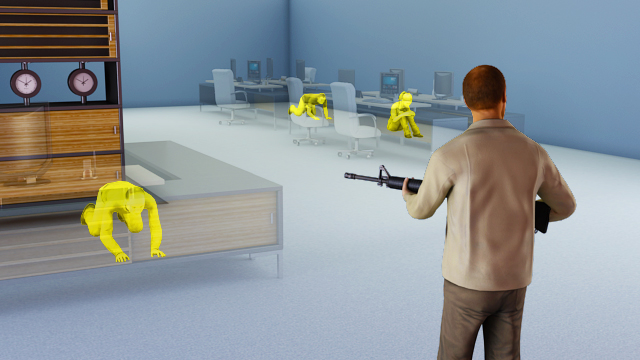
If you are unable to run, the next best action is to hide. A hiding place should obviously keep you out of the shooter’s view. If you have a choice, try to choose a place which restricts your ability to move as little as possible. For example, crouching behind a counter or low wall which you can crawl around as the shooter moves is better than being stuck in a closet, or under a desk with no means of escape if you are discovered. Obviously, if your hiding place can provide protection from bullets as well as provide visual cover, that is an advantage. If there is an opportunity to lock a door and/or create a barricade between your hiding place and the shooter, by all means take those actions to protect yourself.


