











Anhydrous Ammonia Awareness
Anhydrous ammonia is a chemical compound composed of nitrogen and hydrogen that has been liquefied and compressed into a gas. It is used as fertilizer, in power plants, and as a refrigerant. This course describes what anhydrous ammonia is and how it is used in general industry. This course also discusses the permissible exposure limits of anhydrous ammonia, the personal protective equipment that should be worn when working with or around anhydrous ammonia, handling precautions, as well as emergency response procedures.


Demos + Pricing
Learn more about our courses, get pricing, and see our platform.
Course Details
Learning Objectives
By the end of this course, you will be able to:
- Describe the physical properties of anhydrous ammonia
- Identify common uses of anhydrous ammonia
- Describe the health hazards and effects of exposure
- Identify the proper PPE for handling anhydrous ammonia
- List safe handling requirements
- Describe spill and leak containment procedures
- Describe emergency response procedures for exposure and firefighting
Specs
Frequently Asked Questions
What is anhydrous ammonia?
Is anhydrous ammonia flammable?
Is anhydrous ammonia toxic?
What type of PPE should one use when working with ahydrous ammonia?
Sample Video Transcript
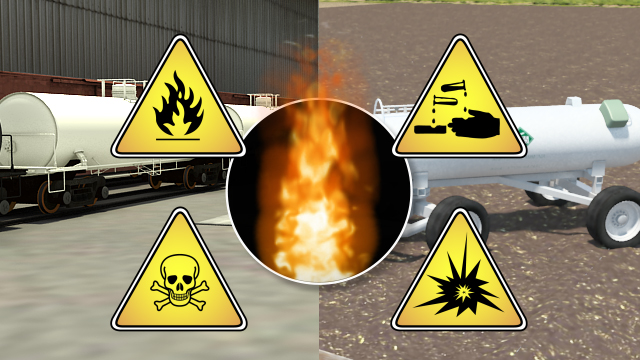
As a gas, ammonia can be dissolved into water to create aqueous ammonia. This form is commonly used in household and industrial cleaners. In pure form, known as anhydrous ammonia, it is a liquefied compressed gas. Its boiling temperature is -28°F at atmospheric pressure. Anhydrous ammonia is widely produced for a variety of agricultural and industrial applications. Despite its many uses, there are extreme hazards affiliated to exposure and the handling of this chemical.
Additional Resources
- National Institute for Occupational Safety and Health (NIOSH) – www.cdc.gov/niosh/
- http://www.cdc.gov/niosh/ershdb/EmergencyResponseCard_29750013.html
- https://www.osha.gov/pls/oshaweb/owadisp.show_document?p_table=STANDARDS&p_id=9757


