











Bloodborne Pathogens for Hospitality
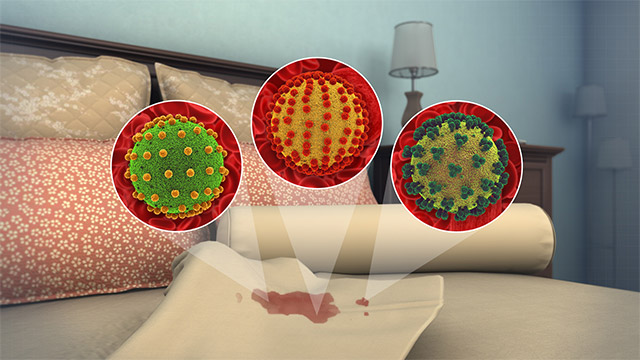
Bloodborne pathogens are microorganisms such as viruses or bacteria that, if present in blood, can cause disease in humans. These pathogens can be transmitted from an infected person to a healthy person by contact with infected blood or other bodily fluids. In the hospitality industry, which includes hotels and motels, employees may come into contact with blood or other possibly infectious bodily fluids. This can happen when cleaning rooms, stripping beds, and handling laundry. Given the risk of exposure to bloodborne pathogens, this course will cover how workers can recognize the dangers of possible infection, what precautions are needed to minimize the risk, and what procedures to follow if exposed to possibly infectious bodily fluids.



Demos + Pricing
Learn more about our courses, get pricing, and see our platform.
Course Details
Learning Objectives
• Define bloodborne pathogens • List common types of bloodborne pathogens • Describe how bloodborne pathogens are transmitted from one person to another • List some requirements of the OSHA Bloodborne Pathogens Standard • Describe how to clean up infectious fluids • Describe the risks posed by sharps • Describe the proper technique for contaminated glove removal • Describe what to do if you are exposed to a bloodborne pathogen while unprotected
Specs
Frequently Asked Questions
What are bloodborne pathogens?
What are the most common bloodborne pathogens?
How are bloodborne pathogens transmitted?
Can bloodborne pathogens be transmitted by casual contact?
What can be done to minimize the transmission of bloodborne pathogens?
Sample Video Transcript
Employees working in hospitality might also encounter smears or pools of blood or other infectious fluids. Some work teams have people specifically trained and equipped to properly handle such a situation, in which case they should be contacted. If you are responsible for cleaning up a contaminated area, follow these guidelines. • Treat all bodily fluids as if they are infectious. • Wear disposable latex or vinyl gloves during the entire cleaning and disposal process. • If there is any chance of splatter or splashing, also use goggles or a face shield. • Clean up the fluid spill and disinfect with paper towels or disposable rags, and place all contaminated articles in a plastic biohazard trash bag.


