











Box Plant Basics – Corrugated Box Basics
Corrugated board is a popular packaging material because it is extremely durable, versatile, lightweight, and economical. It is also made from a renewable resource – wood. In box plants, corrugated board is used to manufacture boxes and other structures that can be used to package, ship, and store a large variety of products. This course will familiarize you with some common industry terms, describe popular corrugated board and corrugated box styles, and discuss corrugated box usage considerations.


Demos + Pricing
Learn more about our courses, get pricing, and see our platform.
Course Details
Learning Objectives
• Components of corrugated board • Common flute styles • Box blanks and manufacturer’s joints • Common box styles • Standard case code numbers • Box dimensions • Bulk bins
Specs
Frequently Asked Questions
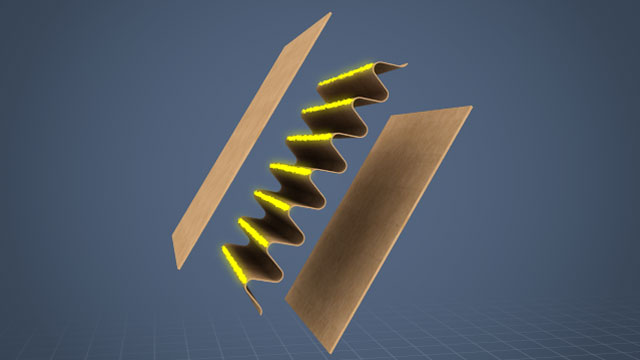
What holds the liners and corrugating medium together in corrugated board?
Why are the flutes in some corrugated board tall and widely spaced, and the flutes in other board are short and closely spaced?
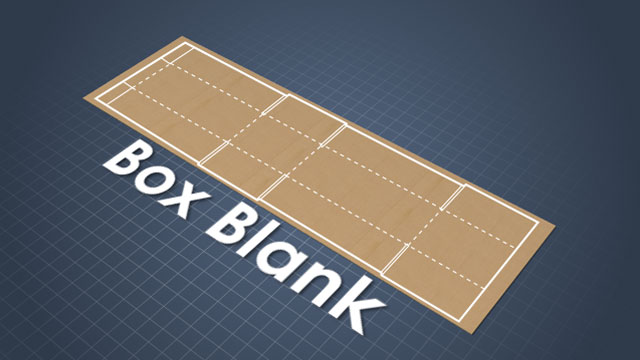
What is a box blank?
What is the purpose of the Box Maker’s Certificate stamped on the bottom of all corrugated boxes?
What is a bulk bin?
Sample Video Transcript
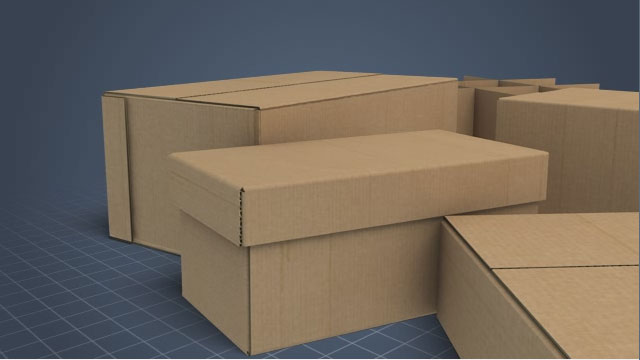
There are many standard corrugated box styles that have been established, but boxes can still be custom designed to satisfy unique customer needs. The standard box styles have been grouped into six categories. Slotted boxes are usually made from a single piece of board with a single vertical manufacturer’s joint, and flaps that fold to form the top and bottom. Telescope boxes are made from two or three pieces of board, and consist of a top and a body, and sometimes a separate bottom. Folders are made from a single piece of board that is scored to fold around the product. These boxes feature a solid, unbroken bottom. Ridged boxes or bliss boxes consist of a folder type box, plus two identical panels that are attached to the ends. Self-erecting boxes are made from a single piece of board that is scored and slotted so that the box can be easily set up. And interior forms, including liners, dividers, and pads are added to boxes to separate or cushion products, strengthen the box, or prevent product movement.


