











Box Plant Basics – Die Cutters
Die cutting is used to produce box blanks and other corrugated board products with difficult or complicated cuts and creases. Die cutters use smooth and serrated metal strips called “rule” to cut and crease the sheets of corrugated board. This course describes the design and operation of platen, rotary, and in-line sectional die cutters.


Demos + Pricing
Learn more about our courses, get pricing, and see our platform.
Course Details
Learning Objectives
•Describe corrugated board and box making equipment •Define some common box making terms •Describe the design and operation of platen die cutters •Describe the design and operation of rotary die cutters •Describe the design and operation of in-line sectional die cutter machines
Specs
Frequently Asked Questions
What are “scores” and “slots” on corrugated box blanks?
What types of products are typically produced by die cutters?
What is the difference between a “soft cut” and “steel-to-steel” rotary die cutting?
What strategies can be used to extend the life of the soft covers used on some anvil cylinders?
What is the purpose of “ejection rubber” (pieces of cork or hard rubber) on die boards?
Sample Video Transcript
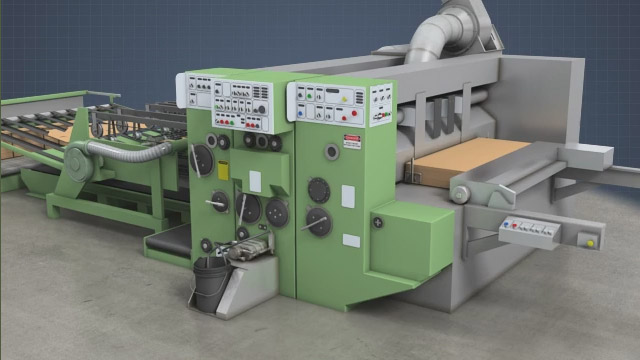
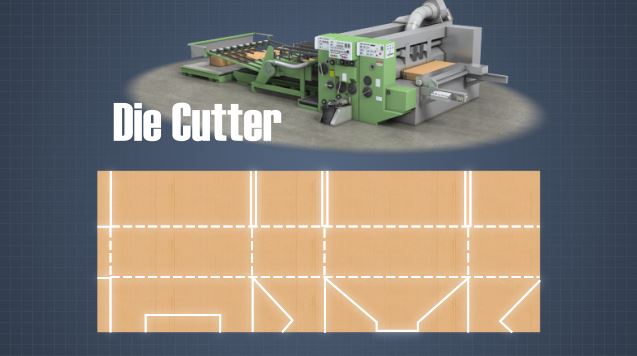
A die cutter uses a tool to cut and score a sheet of corrugated board to create a shaped box blank. The tool used is called a cutting die which consists of smooth and/or serrated metal strips called rule that are mounted on a solid backing called a die board. Rotary die cutters use a cylindrical die board and a circular motion while platen or flat bed die cutters use a flat die board and an up and down motion. Die cutters are more often used to produce box blanks with unique or unusual cuts, slots, and scores or creases. Die cutters can also add perforated lines and ventilation or access holes to a box. However, because the die boards can be expensive, especially cylindrical die boards, box blanks which require only straight cuts and scores are more often made on printer-slotters.


