











Cold Stress
People who are exposed to cold or wet conditions sometimes can’t keep their body warm, which leads to cold stress. This course discusses the factors that increase cold stress as well as what frostbite, trench foot, and hypothermia are and how they are treated. This course also illustrates safe work practices to help with the prevention of cold stress.

Demos + Pricing
Learn more about our courses, get pricing, and see our platform.
Course Details
Learning Objectives
By the end of this course, you will be able to:
- Identify the three types of cold stress, which are frostbite, trench foot, and hypothermia
- Describe the primary causes of cold stress
- Identify the factors that affect how a person tolerates cold temperatures
- Describe the signs, symptoms, and treatments for all three types of cold stress [and]
- List the methods to prevent cold stress
Specs
Frequently Asked Questions
What causes cold stress?
What is the cold stress equation?
What serious conditions can cold stress lead to?
What is frostbite?
What is trench foot?
What is hypothermia?
Sample Video Transcript
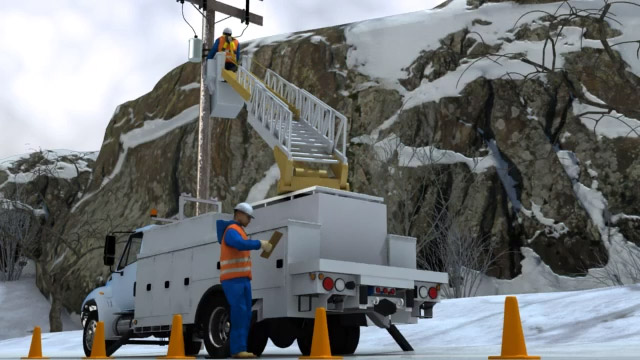
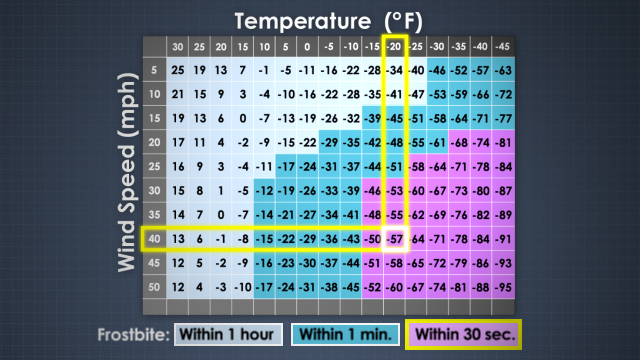
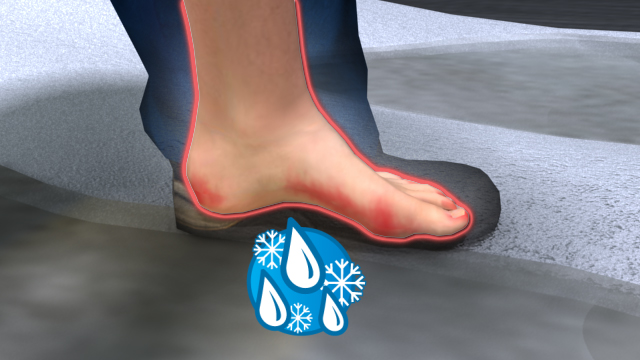
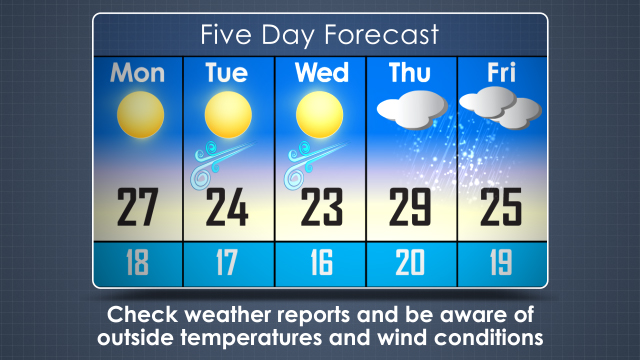
People exposed to cold and/or wet conditions sometimes can’t keep their body warm enough. This is known as cold stress. Cold temperatures are the primary cause of cold stress. Other factors that increase the risk include strong winds that cause temperatures to feel colder than they are, this is known as the wind chill, and rain, ice, snow, hail, or other sources of wetness.
Additional Resources
- U.S. Department of Labor’s Occupational Safety & Health Administration (OSHA) – www.osha.gov
- OSHA Safety and Health Topics – https://www.osha.gov/SLTC/emergencypreparedness/guides/cold.html
- National Institute for Occupational Safety and Health (NIOSH) – www.cdc.gov/niosh/
- NIOSH Workplace Safety & Health Topics – http://www.cdc.gov/niosh/topics/coldstress/default.html


