











DC Motor Operation
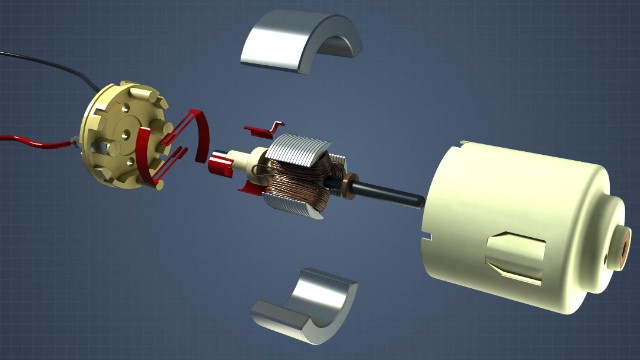
A DC motor is an electrical device powered by direct current, or DC. DC is a type of electrical current that flows in one direction only, from sources such as batteries or solar panels. DC may also be produced through the use of a rectifier, which is an electrical device that converts alternating current (AC) to DC. Although motor designs may vary, all DC motors perform the same basic function. They convert electrical energy into mechanical energy to spin, lift, wind, or move objects.



Demos + Pricing
Learn more about our courses, get pricing, and see our platform.
Course Details
Learning Objectives
• Explain the fundamental principles of DC motor operation • Identify and describe common DC motor components • Explain the concepts of torque, speed, and power
Specs
Frequently Asked Questions
How does a DC motor convert electrical energy to mechanical energy?
How is an electromagnet created?
What are some common components needed for a DC motor to function?
Sample Video Transcript
DC motors are electrical motors powered by direct current, or DC. DC is a type of electrical current that flows in one direction only from sources such as batteries or solar panels. DC may also be produced through the use of a rectifier, which is an electrical device which converts alternating current, or AC, to DC. In spite of their structural differences, the five main types of DC motors discussed in this course perform the same basic function. They convert electrical energy into mechanical energy to spin, lift, wind, or move objects.


