











Dissolved Air Flotation (DAF) Systems – Tissue
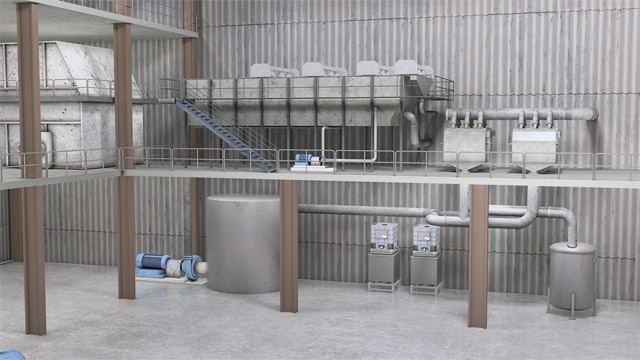
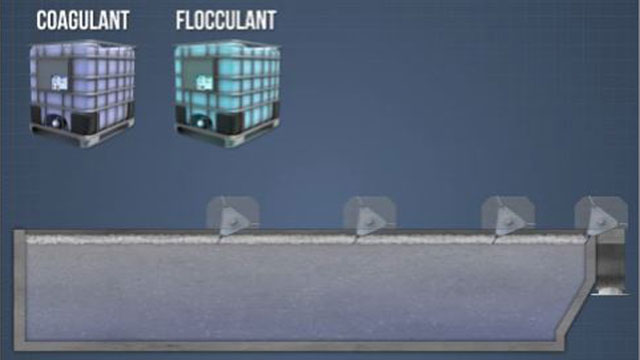
Dissolved Air Flotation (DAF) systems are used to remove small suspended solids from fresh water, process water, and wastewater streams. Compressed air is injected into a pressurized recirculated stream to create tiny air bubbles that adhere to the suspended solids and float them to the surface. The “float” is then skimmed off and collected for reuse or disposal. The addition of coagulant and flocculant chemicals can enhance the flotation process and improve the efficiency of the DAF system.

Demos + Pricing
Learn more about our courses, get pricing, and see our platform.
Course Details
Learning Objectives
Describe common applications of the Dissolved Air Flotation (DAF) process Describe the main steps of the DAF process Describe the equipment utilized in a DAF system Identify chemicals commonly used as coagulants and flocculants in DAF systems Describe coagulant and flocculant chemicals used in DAF systems Identify hazards associated with DAF systems
Specs
Frequently Asked Questions
Where are dissolved air flotation (DAF) systems used?
What is done with the solids that are collected by a tissue machine DAF system?
Is there a particular order in which coagulants and flocculants should be added?
Where is the dissolved air added to the feed water to a flotation tank?
What is the difference between large rectangular flotation tanks and tall circular ones?
Sample Video Transcript
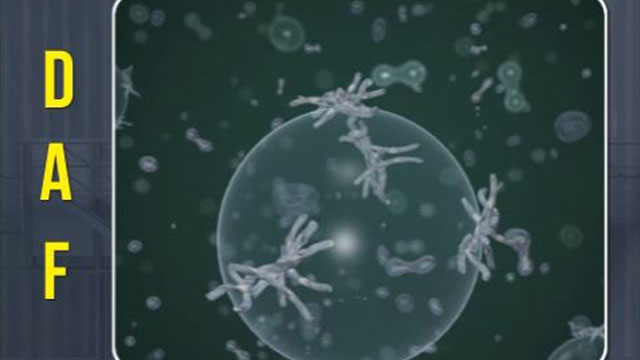
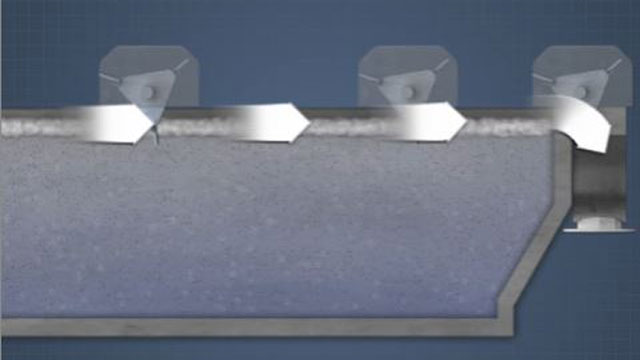
Dissolved air floatation or DAF is a water treatment process that removes suspended solids from water using air. This separation is achieved by dissolving air into water under pressure, and then releasing the air at atmospheric pressure in a floatation tank. The released air forms tiny bubbles which adhere to the suspended solids in the water causing the solids to float to the surface, where they can be removed by a skimming mechanism. Chemicals can be added to the feed water to improve solids removal. The DAF process can be used to clarify fresh water, process water, and wastewater so that it is suitable for use or discharge, In some cases, the solids are collected for reuse. Common applications include clarification of municipal water and wastewater and process water in tissue and papermaking operations.


