











Electrical Wiring and Connections
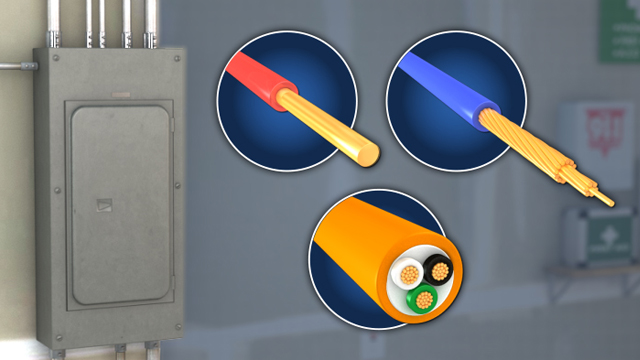
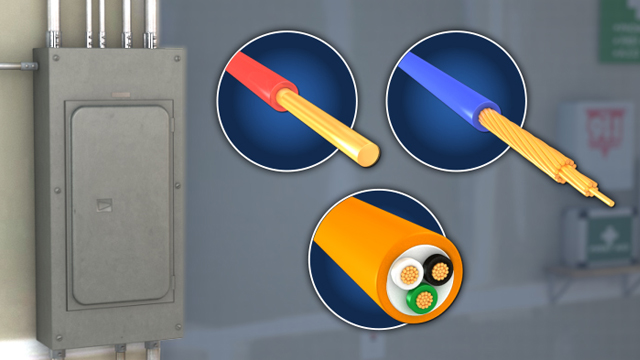
One of the greatest benefits of electricity is its ability to transfer energy from where it is generated to where it is needed. Electrical wires, cables and cords are used to accomplish the transfer. Electrical wiring consists of a conductive material such as copper surrounded by an insulating material such as thermoplastic. The primary dangers associated with the distribution of electric power are electrocution and the generation of heat. These hazards must be considered when laying out and connecting all types of wiring.
Demos + Pricing
Learn more about our courses, get pricing, and see our platform.
Course Details
Learning Objectives
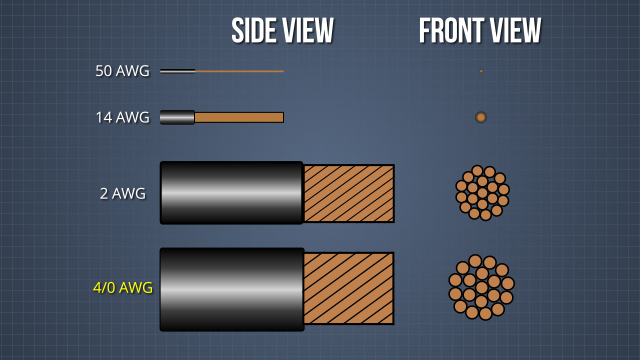
• Define electricity • List the major dangers of electricity • List the factors which affect the resistance of a wire • Differentiate between the terms wire, cable, and cord • Explain the AWG wire sizing system • Describe the factors that go into selecting an insulation material • Describe the purpose of a raceway • Describe the correct and incorrect uses of flexible cords
Specs
Frequently Asked Questions
What is the purpose of wiring?
What determines the capacity of a wire to carry electricity?
What is AWG?
How are most permanent wiring installations terminated?
How are most temporary wiring installations terminated?
Sample Video Transcript
Energy is not created or destroyed, it is only converted from one form to another. This means that sometimes there is a great deal of electrical power being carried through the wiring between a point of electrical generation and a final electrical load. For example, a final “load” may be all the electrically powered items in a home. At some point, all the energy needed in the home flows through a single wire, so it is important that the wire was designed to safely transfer that energy.


