











Hazard Perception – Hidden Hazards
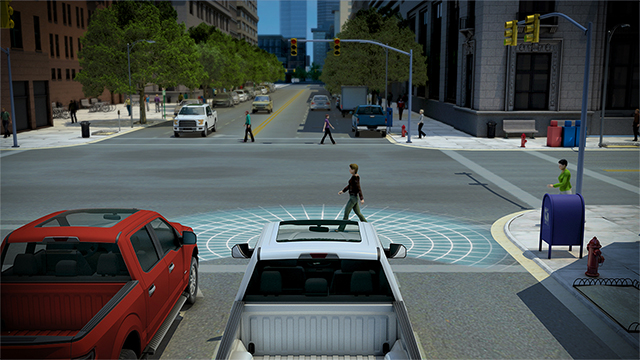
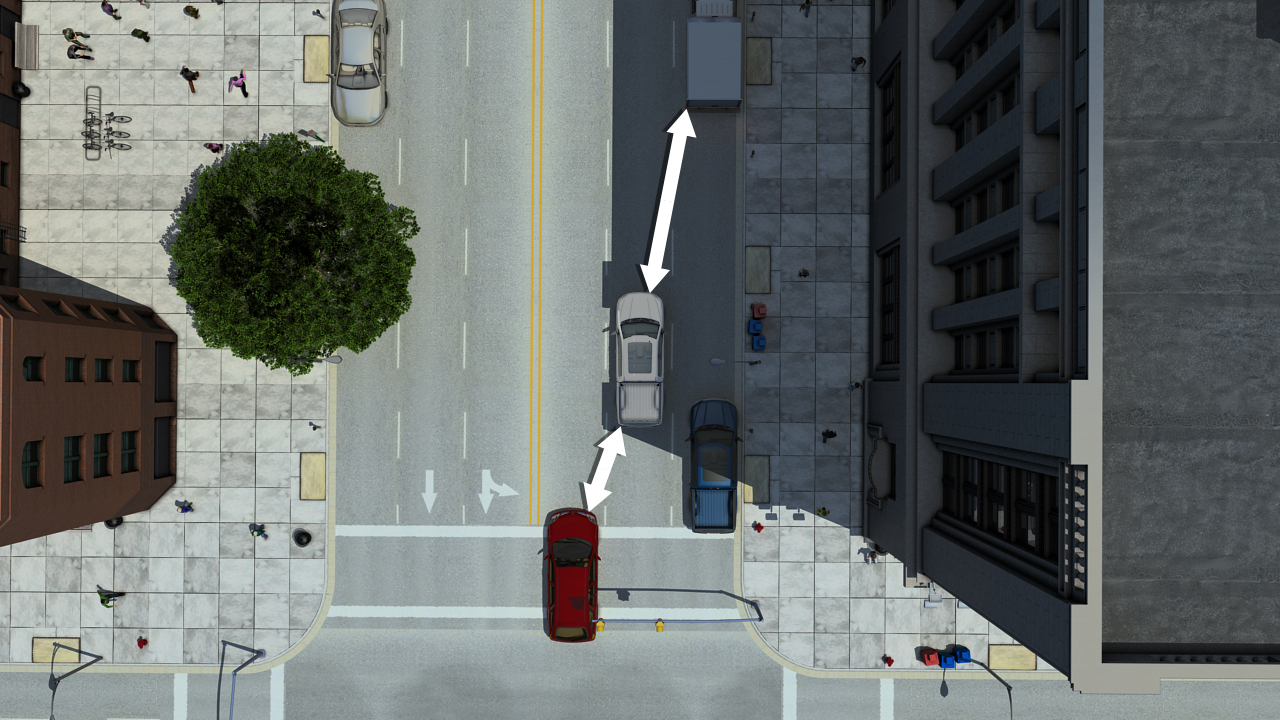
Hidden hazards are not easily identifiable. They are partially or completely hidden from your view, but still have the potential to develop into a risk. Because the hazard is partially or completely hidden, it is unlikely you will be able anticipate the risk far in advance. This course will identify examples of hidden hazards and best practices to reduce the risks of these hazards.



Demos + Pricing
Learn more about our courses, get pricing, and see our platform.
Course Details
Learning Objectives
• Define “hidden hazard”
• Identify examples of hidden hazards
• Describe best practices when scanning for hidden hazards
• Identify defensive driving techniques that can reduce the risk of hidden hazards
Specs
Frequently Asked Questions
What are some examples of hidden hazards?
What is the best way to scan your surroundings?
What are some signs of hidden hazards?
Sample Video Transcript
Hidden hazards are not easily identifiable. They are partially or completely hidden from your view, but still have the potential to develop into a risk. Because the hazard is partially or completely hidden, it is unlikely you will be able to anticipate the risk far in advance. Instead, the hidden hazard will not be visible until the last second. Some examples of common hidden hazards include children that run into the road unexpectedly, animals standing in the road around a sharp curve, an animal that jumps out as you are driving home at night, or a vehicle that pulls out of a parking space as you drive by. Although hidden hazards are often unexpected, there are strategies you can use to reduce the risks of these unseen hazards.


