











Hazardous Material Classifications
This comprehensive training module covers the classification and safe handling of hazardous materials in accordance with OSHA’s Hazard Communication Standard (HazCom 2024) and the Globally Harmonized System (GHS). The course examines how different regulatory agencies classify and define hazardous chemicals, with a focus on OSHA, DOT, and EPA requirements.
Demos + Pricing
Learn more about our courses, get pricing, and see our platform.
Course Details
Learning Objectives
At the end of this module, you will be able to:
- Describe the purpose of the HazCom Standard and the GHS
- Describe how chemical hazards are classified
- Identify and describe the health and physical hazards outlined by HazCom
- Identify chemical hazards from pictograms and statements on container labels
- Explain how to protect yourself and prevent chemical exposures
Specs
Frequently Asked Questions
What is hazard classification?
How are chemicals classified?
What is the purpose of hazard classification according to GHS?
What are the hazard classes?
What are hazard categories?
Sample Video Transcript
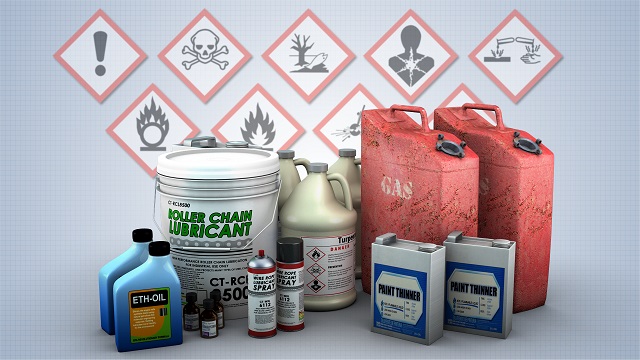
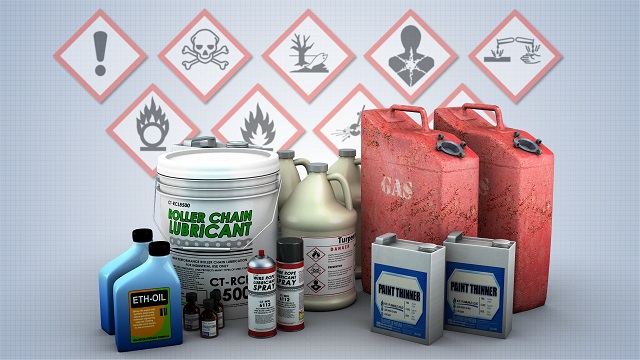
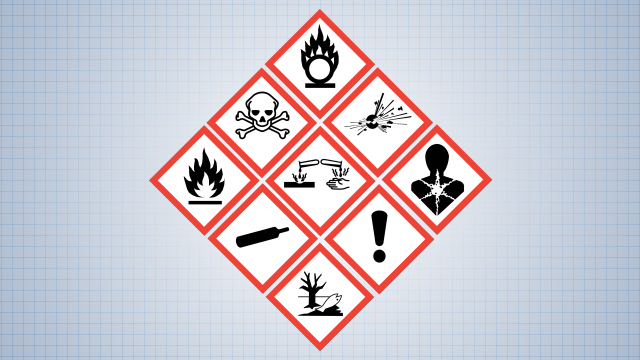
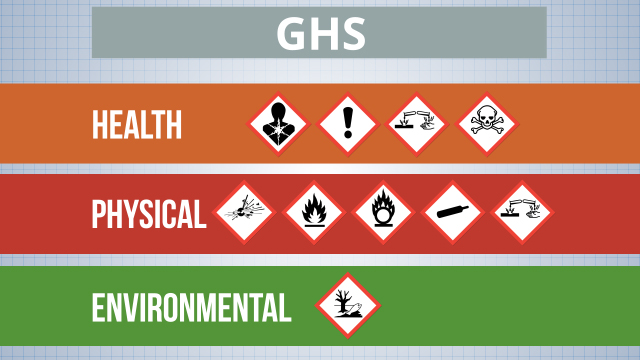
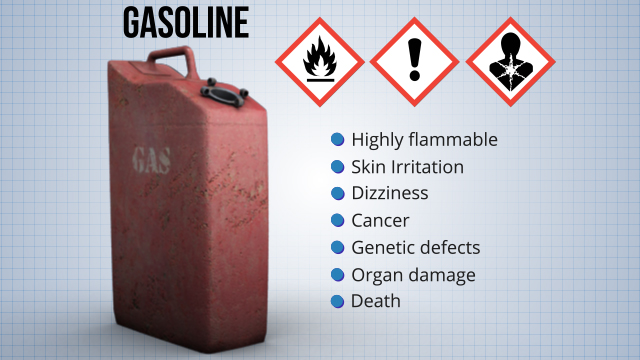
According to the GHS, the three main types of hazards are: • Health hazards, which present a risk to people’s health • Physical hazards, which threaten the safety of individuals and property • Environmental hazards, which can harm aquatic life or build up in the food chain Within each of these categories, GHS defines several hazard classes to further describe a chemical’s potential hazards. Many chemicals present more than one hazard, so they can belong to more than one hazard class. For example, most people are aware gasoline is highly flammable, but it has additional hazards. It can cause skin irritation and breathing vapors can cause dizziness. Gasoline can also cause cancer, genetic defects, organ damage, or even death if swallowed.


