











HAZWOPER Medical Surveillance
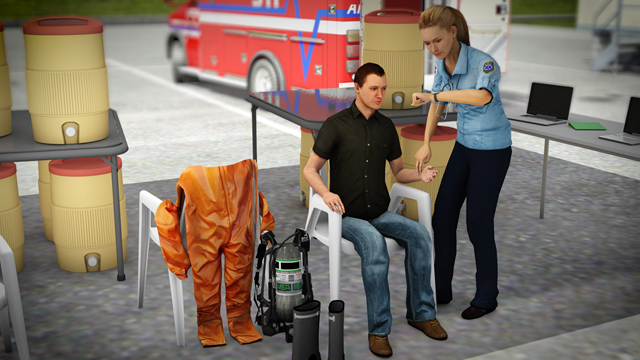
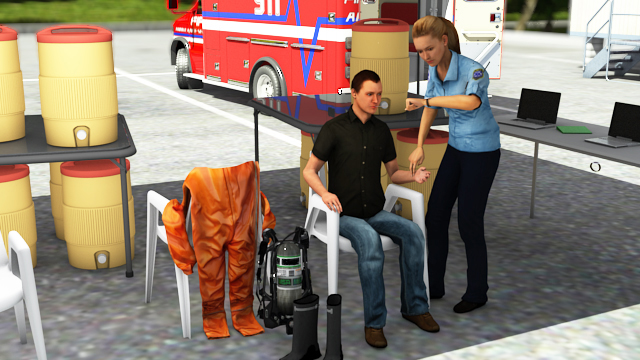
HAZWOPER requires employers to have a medical surveillance program to monitor and assess the health of their employees. Medical surveillance consists of regular medical examinations to ensure workers are “fit for duty” and aren’t experiencing adverse health effects from occupational exposures. Programs should be site-specific and based on potential exposures at a given site. This module will discuss the requirements of a medical surveillance program and describe the different types of medical examinations that must be performed.


Demos + Pricing
Learn more about our courses, get pricing, and see our platform.
Course Details
Learning Objectives
• Describe the purpose of a medical surveillance program and list program requirements • List the employees covered by a medical surveillance program • Describe when medical examinations are required • Describe the purpose of pre-entry and exit examinations for emergency responders and list the conditions that are monitored • List symptoms of exposure to hazardous chemicals
Specs
Frequently Asked Questions
What is the purpose of a medical surveillance program?
When are examinations required?
What does fit for duty mean?
What is covered in the physician’s written opinion?
How long do medical records need to be maintained?
Sample Video Transcript
HAZWOPER requires employers to have a medical surveillance program to monitor and assess the health of their employees. Medical surveillance consists of regular medical examinations to ensure workers are fit for duty and aren’t experiencing adverse health effects from occupational exposures. Medical examinations are performed before employment, at least annually while employed, and after reassignment or termination. Additional examinations are required after injuries or overexposures. It is important to know the signs and symptoms of exposure to the chemicals present at each site so you can protect yourself and your coworkers.
Additional Resources
Medical Screening and Surveillance Requirements in OSHA Standards: A Guide


