











Lab Safety Series: Formaldehyde Safety and OSHA Compliance
0.57 Hrs
SKU: JCOM-40283
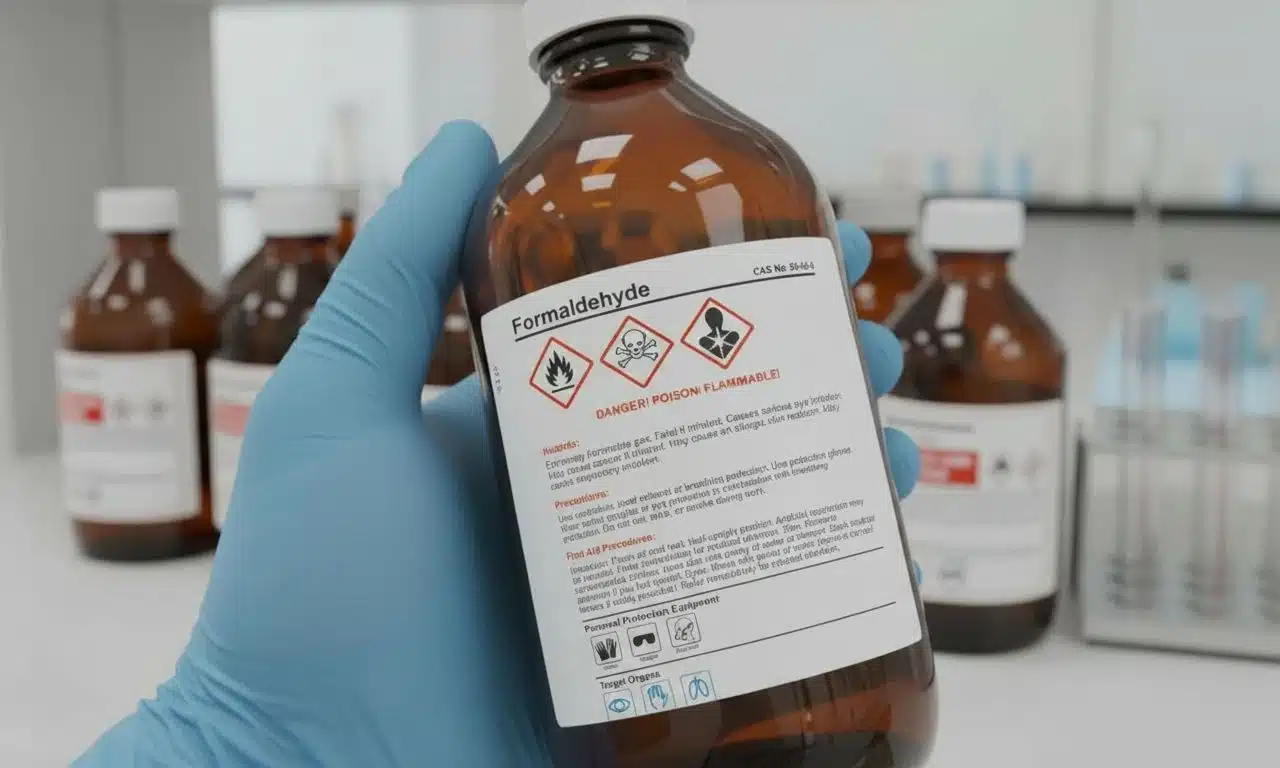
OSHA’s substance-specific formaldehyde standard (29 CFR 1910.1048) addresses significant occupational health concerns in laboratory settings. Workers encounter formaldehyde through formalin solutions, biological specimens, and histology processes. As a potential human carcinogen causing acute irritation and chronic health effects, formaldehyde requires specialized safety measures. This course translates OSHA requirements into practical laboratory applications, covering exposure limits, monitoring, controls, PPE, medical surveillance, and emergency response to ensure technical accuracy and operational compliance.
✕
Demos + Pricing
Learn more about our courses, get pricing, and see our platform.
✕
Course Details
Learning Objectives
By the end of this course, you will be able to:
- Explain the purpose and scope of OSHA’s formaldehyde standard, 29 CFR 1910.1048
- Identify common laboratory uses and exposure sources for formaldehyde and formalin
- Recognize the acute and chronic health effects of formaldehyde exposure, including irritation, sensitization, and carcinogenic concern
- Define OSHA’s PEL, STEL, and action level for formaldehyde
- Describe when exposure monitoring, repeat monitoring, and regulated areas are required
- Explain the role of engineering controls, work-practice controls, PPE, and ventilation in reducing formaldehyde exposure
- Identify when medical surveillance, hazard communication, eyewash/shower provisions, spill response, and recordkeeping requirements apply
- Apply formaldehyde-safety principles to realistic laboratory handling and compliance scenarios
Specs
Course Level
Intermediate
Languages
English
Compatibility
Audio, Video, MobileReady, Responsive


