











Lean Manufacturing: Determining the Voice of the Customer
The Voice of the Customer (VoC) is a term used in business to describe customer’s expectations and requirements. It can also represent customer’s feedback about their experiences with, and expectations of, a rendered product or service. Others define it as the statement made by the customer about a product or service. This course discusses the importance of the Voice of the Customer to a business’s success and describes how to anticipate and meet customer needs and requirements once this data is captured.



Demos + Pricing
Learn more about our courses, get pricing, and see our platform.
Course Details
Learning Objectives
- Define Voice of the Customer (VoC) and its importance to companies
- List the benefits of satisfying VoC
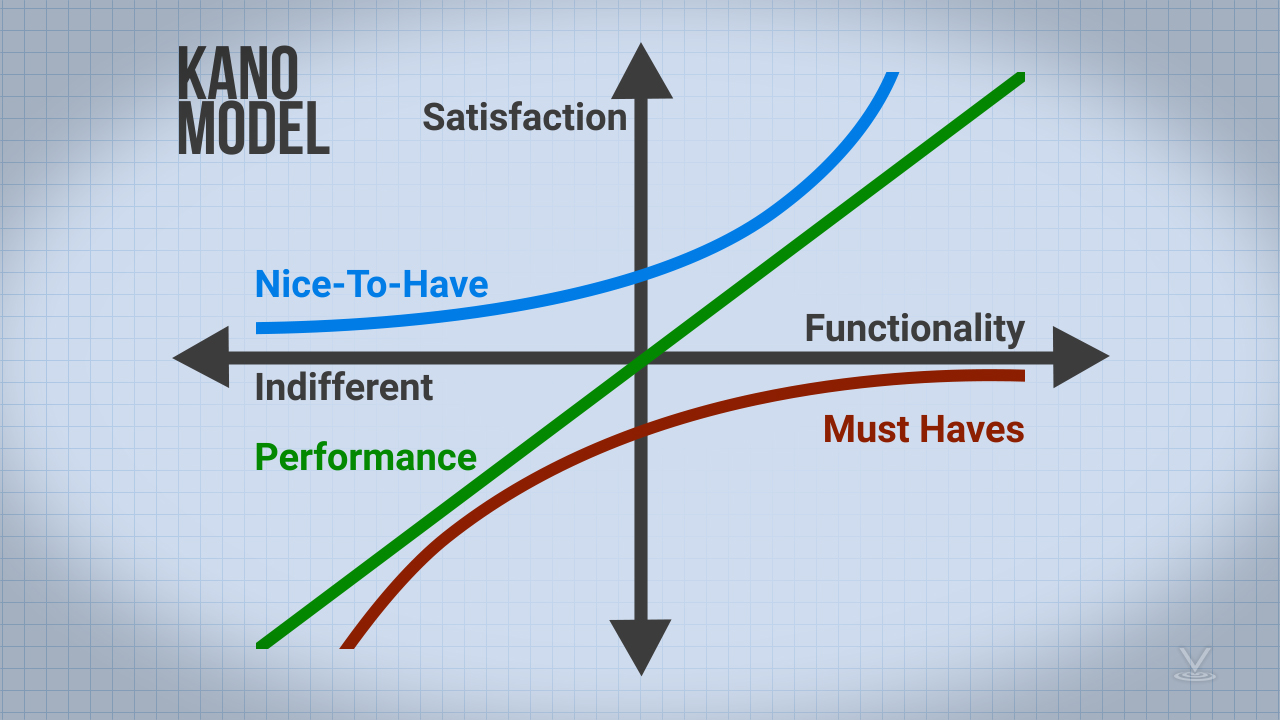
- Describe how to discern customer wants from needs to help focus improvement efforts
- Describe the ways VoC can be captured, and how to use that data when making business decisions
Specs
Frequently Asked Questions
What is the definition of Voice of the Customer?
What are some of the ways to capture VoC?
How do you discern customer wants from customer needs to help focus improvement efforts?
What are some ways companies can acknowledge and incorporate customer feedback?
What are the benefits of satisfying VoC?
Sample Video Transcript
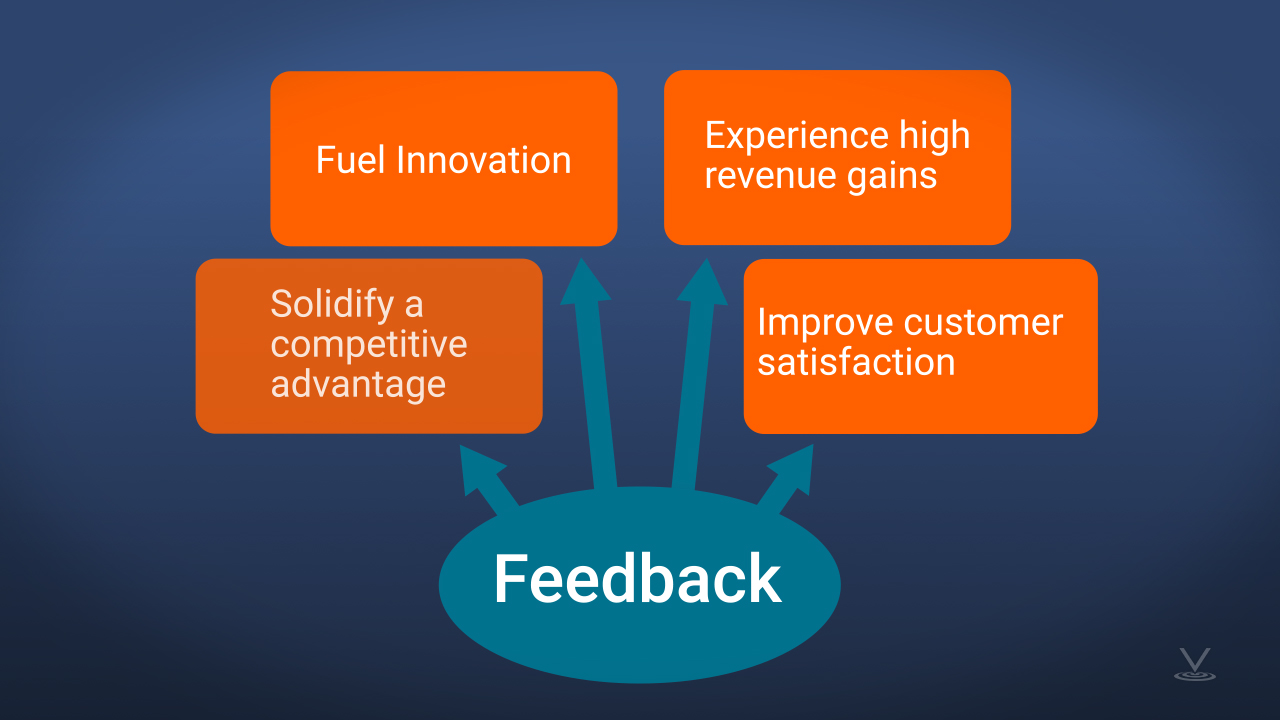
The Voice of the Customer relates to customer requirements and feedback so that companies can take action to provide customers with high-quality products and services. Businesses must understand that customer feedback is essential to helping them improve the products or services they provide. Implementation of effective VoC programs can improve customer satisfaction, which, in the end, improves a company’s profits. Companies that maintain a VoC program usually experience high revenue gains compared to those that do not incorporate a VoC program into their business. Bringing in the voice of the customer to fuel innovation in an organization helps to solidify a competitive advantage. An effective VoC program allows the use of structured mechanisms to “listen” to customers so that companies can act on the information customers provide. If businesses don’t understand their customers, it makes it nearly impossible to meet customer expectations and therefore difficult to improve a company’s performance. The bottom line is that VoC programs can have a direct impact on the business. Another reason why VoC is important to companies is that it helps eliminate marketing risks. Capturing VoC and immediately acting on it can save a business from developing a bad reputation that can impact profitability. Customer feedback is used to learn about what people like, and dislike about the business. It can help identify what products or services they want to see more of, allowing identification of new opportunities. This helps companies to plan new developments and have successful launches. By bringing VoC into a company, and acting on the feedback, companies can expect: • Increased revenue • Improved processes • Reduced costs • A customer-centered culture


