











Multi-Layer Hydraulic Headboxes – Tissue
A modern multi-layer hydraulic headbox is designed to deliver a uniform, low consistency stock stream to the forming section of a tissue machine. The stock inlet headers, dilution profiling header, turbulence elements, layering vanes, and headbox movements and adjustments must all be designed to create and maintain turbulence and deliver a well-distributed fiber suspension to the former at the correct angle and location. Proper design, operation, and maintenance are all critical factors in the optimal performance of a tissue machine headbox. Optimal performance of the headbox will produce a sheet with the desired attributes. Understanding how all of the headbox components function and interact will assist in both day-to-day operations and troubleshooting efforts. [course outline] Introduction Headbox Objectives Advantages of a Multi-Layer Headbox Headbox Components Stock Flows to Headbox Stock Inlet Headers Dilution Profiling and Fiber Orientation Dilution Profiling System Recirculation Lines Recirculation Flows Elements Inside th


Demos + Pricing
Learn more about our courses, get pricing, and see our platform.
Course Details
Learning Objectives
• Describe the purpose and objectives of the headbox on a tissue machine
• Describe the advantages of a multi-layer headbox
• Identify and locate the major components of a multi- layer headbox
• Identify stock and recirculation flows
• Describe the available adjustments to the headbox
• Identify protection and care guidelines for the headbox and forming fabrics
Specs
Frequently Asked Questions
What are the advantages of a multi-layer headbox?
Are the stock approach systems the same for multi-layer headboxes and non-layered headboxes?
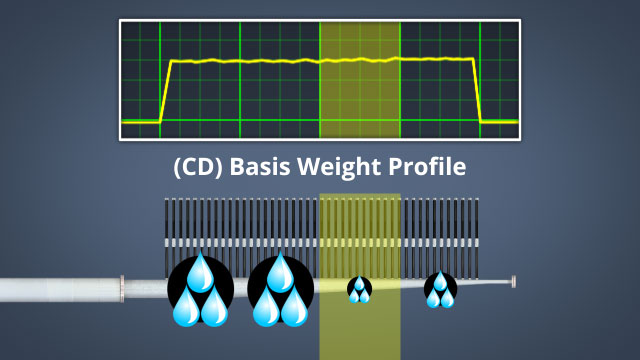
What are the advantages of dilution profiling systems over tradition slice lip micro-adjusters?
What happens when the slice opening is widened slightly?
Why is the stock jet geometry important?
Sample Video Transcript
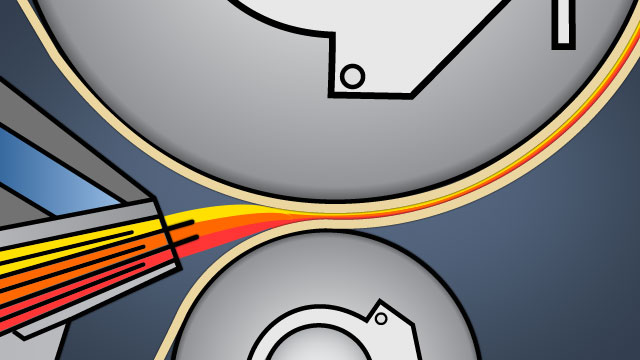
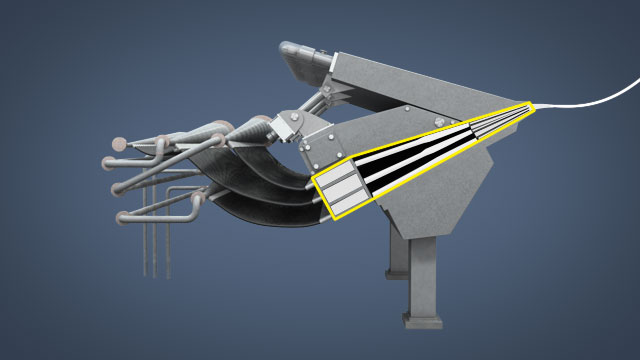
A hydraulic headbox contains several critical components which help it to deliver a uniform dispersed flow of stock across the entire width of the former. These include tapered stock inlet headers equipped with recirculation valves and lines, turbulence elements such as banks of tubes, stilling or equalization chambers, drilled plates, and converging channels created by flexible sheets or veins, layering sheets or veins, the slice lips and slice opening, slice lip micro adjustment, and jet angle and jet length adjustments.


