











Preventing Intersection Collisions – Rear-ends
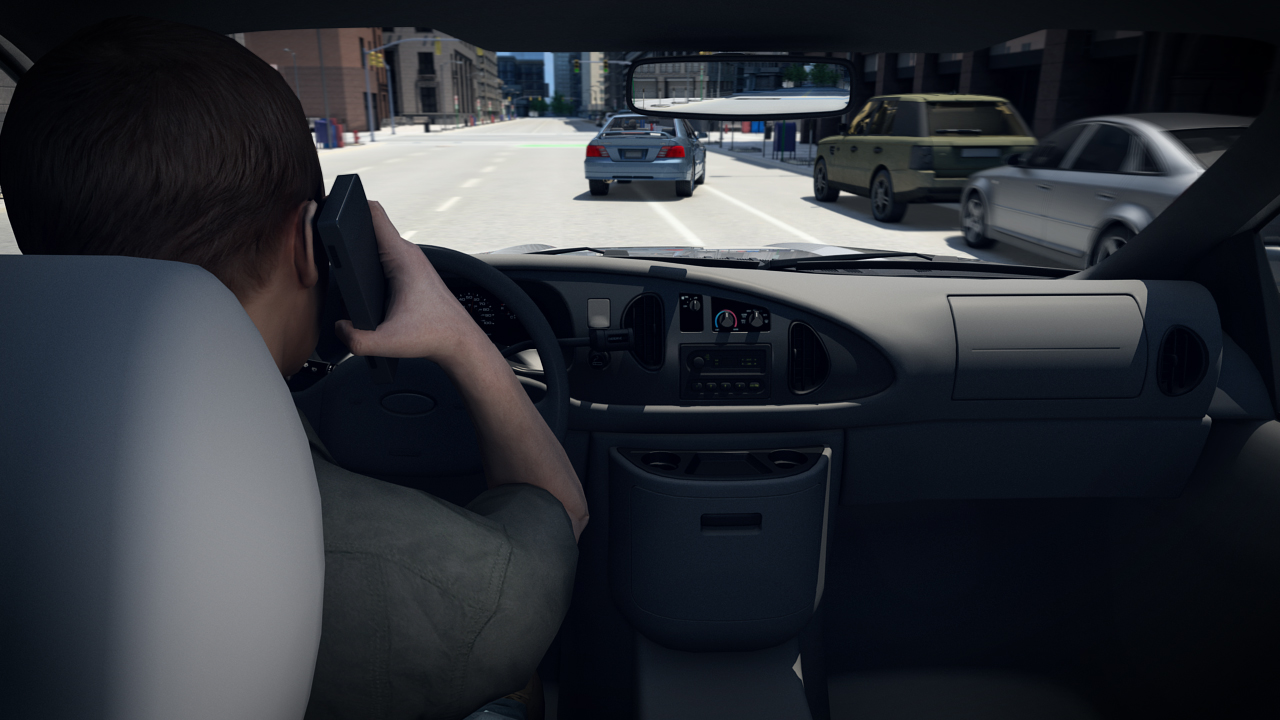
More than 25 percent of all car crashes are rear-end collisions. A rear-end crash occurs when the front of one vehicle comes into contact with the rear of another vehicle. This course will describe contributing factors to rear-end crashes and identify strategies to prevent rear-ending or being rear-ended by another vehicle.




Demos + Pricing
Learn more about our courses, get pricing, and see our platform.
Course Details
Learning Objectives
• Define a rear-end crash • Describe contributing factors to rear-end crashes • Identify strategies to prevent rear-end crashes • Identify strategies to prevent being rear-ended
Specs
Frequently Asked Questions
What is a rear-end crash?
Where do most rear-end crashes occur?
What is the most important way to reduce the risk of a rear-end crash?
Sample Video Transcript
The good news is if we can eliminate one of the three contributing factors, we can significantly reduce the chances of a rear-end crash. The most important way to reduce the risk of a rear-end crash is to not engage in risky behaviors or perform risky maneuvers. Fortunately, this is easy for you to control. Be sure to follow posted speed limits and maintain a minimum following distance of three seconds. Three seconds will give you enough time to safely respond to any surprise event.


