











Pump Basics
Pumps are used to add energy to fluids (gases, liquids, or slurries) to produce flow or increase pressure. This course discusses the construction and operation of the two most basic types of pumps: positive displacement and centrifugal. In addition to how pumps function, it is also covers some of the common terms which are used to describe pump performance.


Demos + Pricing
Learn more about our courses, get pricing, and see our platform.
Course Details
Learning Objectives
• Identify the functions of a pump • Identify and describe major pump components • Differentiate between positive displacement and centrifugal pumps • Identify the principle of operation of different pump types • Describe some of the terms used to define pump performance
Specs
Frequently Asked Questions
What are pumps used for?
What functions do pumps perform?
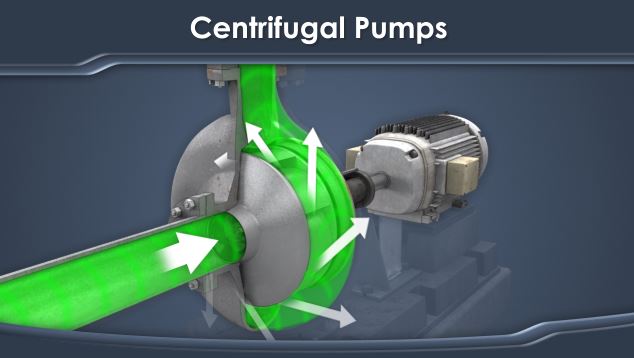
What are the two most commonly used pump types, and how do they work?
What is pump capacity?
Sample Video Transcript
One of the most common types of positive displacement pumps is the gear pump. A gear pump uses the pockets created by a pair of turning gears to transfer and pump fluid. At the inlet side of the pump, fluid flows into the area where turning gears separate from each other. As the gears rotate and meet the casing of the pump, fluid is trapped in the space between the teeth and the case. Fluid travels around the interior of the casing. Because the meshing of the gears creates a seal and prevents fluid from returning to the inlet, it is forced under pressure through the outlet port.


