











Transformers, Breakers, and Switches
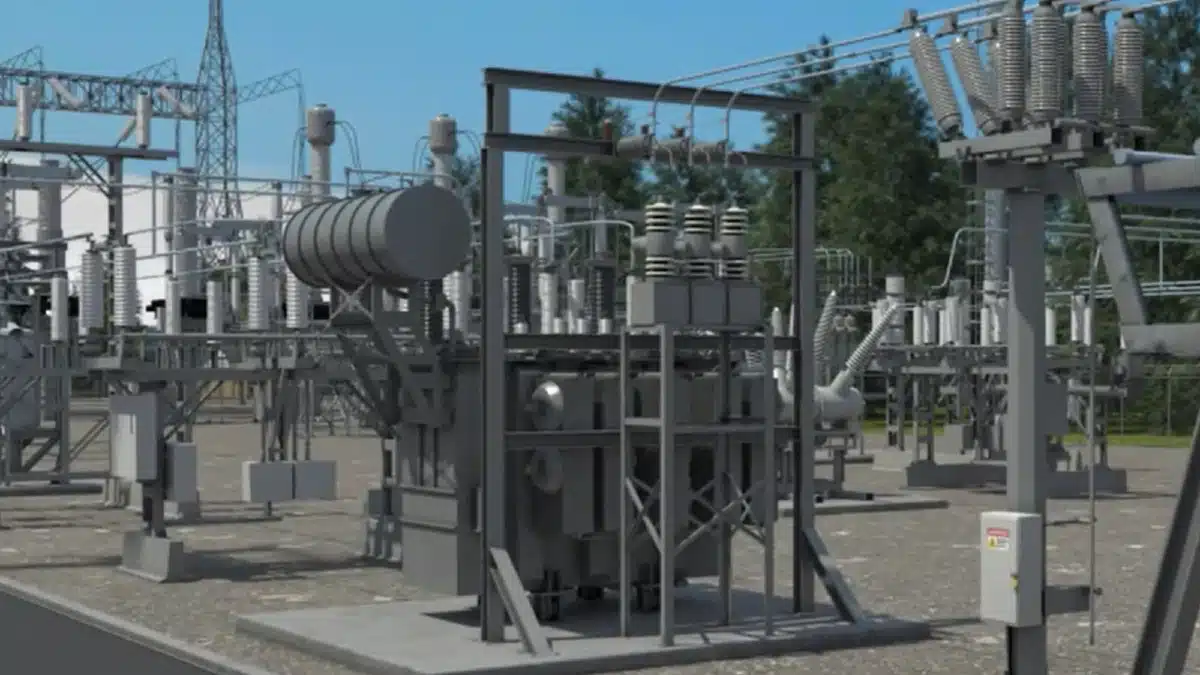
In order to deliver power from generating stations to final consumers, there is an extensive infrastructure of transmission lines, switchyards and substations that regulate and distribute electricity. Within substations are transformers that step up electricity to high voltages for long-distance transmission and then step it down to lower, safer voltages for local distribution to homes and businesses. High voltage switches within substations open and close power lines to direct distribution. In addition to simple switching, circuit breakers provide protection to other equipment in the grid by stopping power flow in overload and fault conditions.
Transformers, circuit breakers, and switches are all critical elements of the power distribution system. This course will cover the uses and principles of operation of these important pieces of equipment.
Demos + Pricing
Learn more about our courses, get pricing, and see our platform.
Course Details
Learning Objectives
By the end of this course, you will be able to:
- Name the principle that enables transformer operation.
- Describe the purpose of a transformer.
- Describe why large transformers require cooling.
- Describe the purpose of a high voltage circuit breaker.
- Explain the greatest challenge in designing a high voltage circuit breaker.
- Explain the difference between a high voltage circuit breaker and a switch.


