











Workplace Bullying: Awareness and Prevention
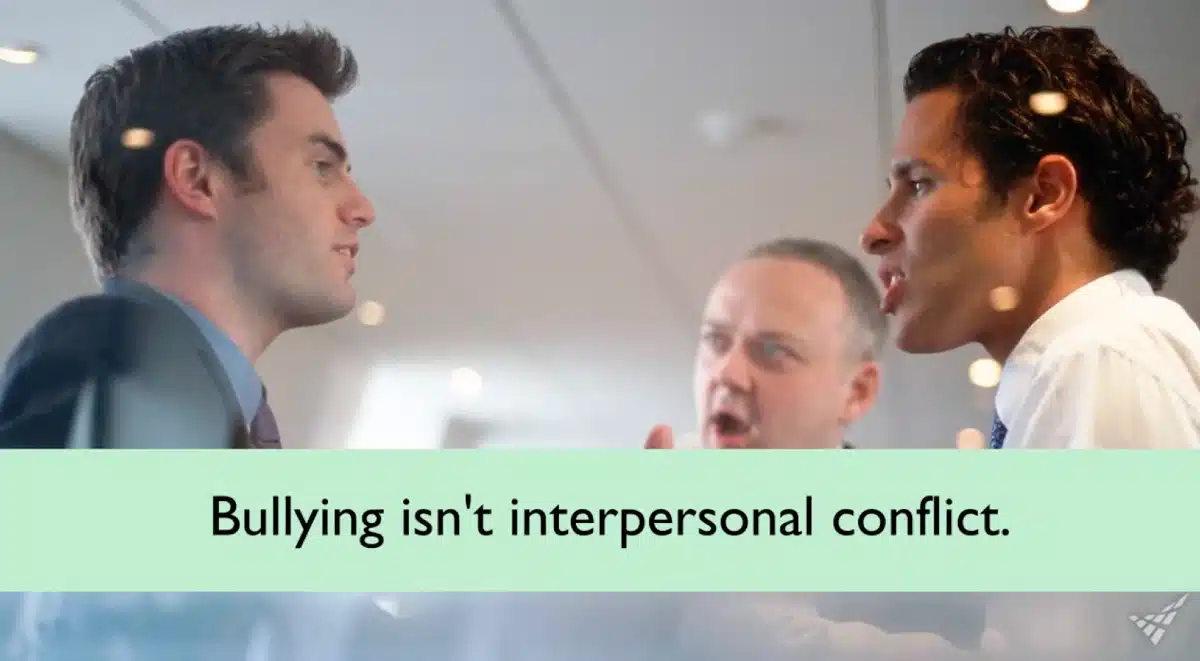
Workplace bullying encompasses degrading and hurtful communication and behavior aimed at one or more individuals and creates an unhealthy and unprofessional power imbalance between the bullying individual and the target. This course is designed to help faculty and staff members gain a greater understanding of the nature of workplace bullying so that it may be prevented. It will review the impact of workplace bullying, the identification of bullying behavior, and effective ways to deal with it.



Demos + Pricing
Learn more about our courses, get pricing, and see our platform.
Course Details
Learning Objectives
- Discuss the emotional, psychological, and organizational effects of workplace bullying, including its impact on employee well-being, morale, and productivity.
- Identify different forms of bullying behavior in the workplace, such as verbal abuse, exclusion, sabotage, and misuse of power, and recognize both overt and subtle signs.
- Demonstrate effective strategies for addressing workplace bullying, including setting boundaries, documenting incidents, seeking support, and following organizational reporting procedures.
Specs
- English (US)
- Spanish (US)
- Spanish (European)
- Spanish (Mexican)
- French (Canada)
- French (European)
- Arabic
- Chinese (Simplified Mandarin)
- Chinese (Traditional Mandarin)
- Filipino Tagalog
- German
- Hindi
- Italian
- Japanese
- Korean
- Portuguese (Brazilian)
- Portuguese (European
- Russian
- Thai
- Vietnamese
Frequently Asked Questions
What is workplace bullying?
Workplace bullying refers to repeated, harmful behavior directed at an employee or group of employees that undermines their dignity, mental well-being, or ability to work. It can include verbal abuse, intimidation, exclusion, sabotage, or inappropriate use of power. Unlike occasional disagreements or performance-related feedback, bullying is persistent and meant to belittle or control the target.
What are common signs of workplace bullying?
Some common signs of workplace bullying include constant criticism, being excluded from meetings or communications, being unfairly blamed for mistakes, and having your work undermined or dismissed. Victims may also experience stress, anxiety, or a decline in productivity. Colleagues might notice changes in mood, increased absenteeism, or reduced engagement from someone being targeted.
What should an employee do if they’re being bullied at work?
If you are experiencing workplace bullying, document each incident in detail, including dates, times, and the individuals involved. Speak with a trusted supervisor, human resources professional, or union representative. Many organizations have policies to handle such complaints confidentially and professionally. Seeking support from mental health professionals is also an essential step toward emotional recovery.
hat responsibilities do employers have in preventing workplace bullying?
Employers are responsible for creating a safe and respectful work environment. This includes implementing clear anti-bullying policies, offering training on respectful workplace behavior, and responding promptly to complaints. Organizations that actively prevent and address bullying help foster a culture of accountability and psychological safety for all employees.
Sample Video Transcript
Schools, lawmakers, and the media have become increasingly focused on student-to-student bullying. This bullying awareness and prevention emphasis is reflected in state laws and school district policies. Workplace bullying, however, is a relatively newer concept. While many adults have experienced bullying at work, there are very few laws prohibiting the behavior or requiring organizations to address it.
Examples of humiliation include ridiculing or teasing, spreading rumors or gossip, playing harsh practical jokes, pointing out mistakes in public, making degrading comments in front of others, or turning others against the target.


