











Yankee Dryer Design and Construction
The Yankee dryer is a large, steam-heated, pressure vessel that is used in the production of tissue grades. Two critical operations occur at the Yankee – the sheet is dried to its final moisture target, and it is creped to add bulk, stretch, and softness to the sheet. The design and construction of Yankee dryers has evolved over time to optimize these two operations and also provide a safe work environment for the people who work around them. This course describes the major external and internal components of a Yankee dryer installed on a tissue machine, and the purpose or function of each component.


Demos + Pricing
Learn more about our courses, get pricing, and see our platform.
Course Details
Learning Objectives
• The major external and internal components of a Yankee dryer
• The purpose or function of each component
• The importance and impact of the Yankee crown and shell thickness
Specs
Frequently Asked Questions
What is the purpose of the Yankee dryer?
What Yankee design parameters affect sheet drying?
Why is a Yankee crowned?
What is a rotary joint?
How is condensate removed from the dryer?
Sample Video Transcript
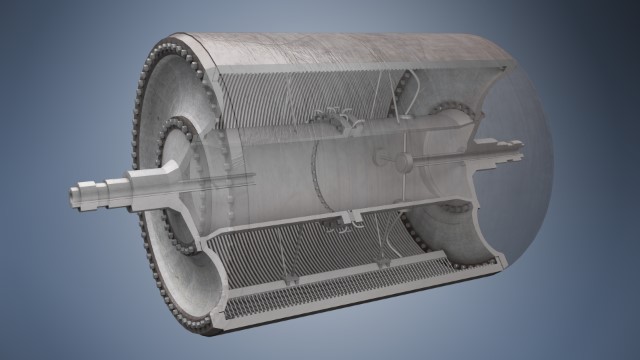
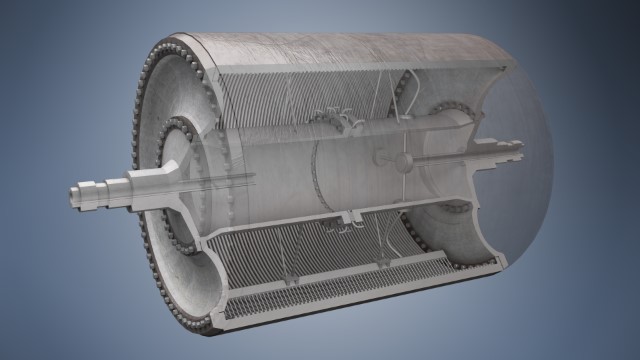
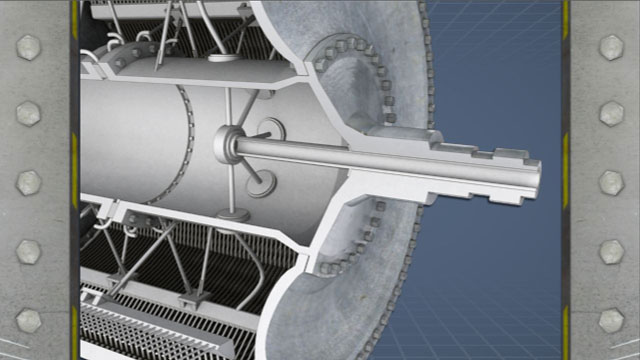
The major components of a Yankee dryer include the shell, heads, bearings, journals, steam and rotary joints, steam distribution pipes, center stay, grooves and ribs, soda straws, condensate headers, riser pipes, and the central steam collecting pipe. These components must be designed to provide methods for introducing steam to the inside of the Yankee, transferring heat to the sheet on the Yankee surface, and removing the condensate that forms. The design and operation of all of the major components will be described in this module.


