August 13, 2025 5 min read
Mental Health in the Construction Industry: Challenges and Solutions
Industry:
Solution:
Mental health in construction is frequently overlooked as an essential aspect of worker well-being and safety. Construction companies face one of the highest suicide rates of any industry, making the topic not just a personal issue but also a crisis that is affecting entire teams.
Due to the high physical demands, deadlines, and dangerous working environments, construction workers are under a great deal of stress. Working in these conditions every day can put immense pressure on employees and cause issues that can affect safety and productivity.
The demands of the industry can make it harder to put effective support systems in place. Workers may view seeking help as a weakness or fear the judgment that could follow. This guide explores the importance of mental health in the construction industry and provides practical ways that the right training can help teams create a healthier and safer work environment for everyone on the job site.
Key Takeaways:
- Workers in the construction industry face unique challenges that need to be recognized and addressed.
- Construction teams should be educated on common mental health issues and their impact on job performance and safety.
- Construction industry mental health awareness training reduces generational stigma, promotes early intervention, and saves lives.
- Vector Solutions empowers construction teams with streamlined training and safety platforms that support mental well-being and a healthier jobsite culture.
Why Mental Health Awareness in Construction Is So Important
Mental health awareness for construction employees and contractors is necessary to help protect workers from the psychological risks of the industry, reduce the likelihood of accidents, and promote a safer, more productive workforce. Worksite safety starts with recognizing the role of mental health in construction industry practices.
Data from the Centers for Disease Control and Prevention shows that the construction industry has one of the highest suicide rates of any profession, with male construction workers facing a suicide rate 75% higher than men in the general working population.
Industry pressures that can impact mental health include:
- High-Risk Work Environments: Physically demanding tasks, loud equipment, and dangerous working conditions can increase daily stress, contributing to mental strain and raising the risk of both physical and psychological harm.
- Stigma Around Mental Health: A culture of toughness and emotional suppression discourages open dialogue and prevents many construction workers from seeking the mental health support they need before issues escalate.
- Irregular Schedules and Long Hours: Long shifts, overtime, and changing project timelines disrupt sleep and personal life, which can lead to fatigue, burnout, or emotional exhaustion.
- Job Insecurity and Economic Pressure: Seasonal employment, layoffs, and inconsistent workloads can induce chronic stress, anxiety, and feelings of instability for workers.
- Substance Use and Coping Mechanisms: To cope with pain or stress, workers may turn to alcohol or drugs, which can increase the risk of addiction, impaired judgment, and workplace accidents.
Top Mental Health Issues in the Construction Industry
Mental health issues in the construction industry often go unseen. However, the impact is very real, and these nine issues underscore the challenges facing today’s construction workforce.
1. Depression
According to data available via the Institute of Health Metrics and Evaluation (IHME), about 280 million people worldwide suffer from depression. In construction, the long hours and physical demands can increase the risk of experiencing symptoms of constant sadness, low energy, and trouble concentrating.
There are different kinds of treatments that can help. However, many workers who experience depression never get diagnosed or treated because of stigma and limited access to care. Increasing construction mental health awareness and creating supportive workplace environments are key steps to addressing depression on the jobsite.
2. Anxiety Disorders
Data from IHME’s Global Burden of Disease (GBD) study shows that anxiety disorders affect roughly 4% of the population worldwide. There are several types of anxiety disorders, including generalized anxiety, panic, and social anxiety, that disrupt daily life. It is common for those who struggle with depression to also have an anxiety disorder.
Financial insecurity and the other daily challenges that construction workers face can amplify feelings of worry or distress. Physical health challenges can be related to anxiety and often result in common symptoms like:
- Experiencing trouble sleeping
- Feeling restless
- Having heart palpitations
Training and support can help teams spot early signs of anxiety and intervene proactively. At the ASSP Safety 2025 Conference, leaders discussed that construction workers account for nearly 6,000 U.S. suicide deaths each year, further elevating why mental health belongs alongside traditional physical hazards in safety training conversations.
Professional Development for Employee Health and Growth
Enhance skills, strengthen knowledge, and support employee wellness with our online professional development courses.
Explore Courses
3. Substance Use Disorders (SUD)
SUD can be defined as a harmful pattern of substance use that affects an individual’s health. It involves two symptoms: intoxication and withdrawal.
American Addiction Centers says, “Employees of the construction industry, mostly blue-collar workers, have nearly twice the rate of substance abuse as the national average.” This can be a coping mechanism when dealing with stress, pain, or trauma. Substances alter how your brain functions, impairing decision-making and safety. The condition is treatable with education and access to help for recovery.
4. Suicide Risk
Construction workers face disproportionately high rates of suicide. This heartbreaking reality is a silent mental health crisis that is caused by the physical, mental, and psychological demands. Construction team members may suffer silently due to stigma and the lack of visible support systems. There is a growing importance in addressing this issue. Recently, several top construction firms and unions have joined forces to address this workplace crisis.
Through a newly formed CEO Advisory Council, leaders from Bechtel, Fluor, Turner Construction, Kiewit, Clark Construction, Skanska, and others are developing shared strategies to reduce suicide and improve worker well‑being.
Brendan Bechtel, Chairman and CEO of Bechtel and founding member of the Council, states, “The high rate of suicide in the construction community demands that we find new and better solutions that prioritize mental health as much as we do physical safety.”
Embedding mental health in construction training and introducing peer-support programs are important pieces of this industry-wide effort to increase awareness, reduce stigma, and shift the workplace culture toward compassion, connection, and prevention. These efforts can help save lives and make mental health support more visible and accessible.
Learn more about mental health and suicide prevention. Watch our webinar to learn strategies designed to help construction firms develop a company culture that promotes well-being.
5. Burnout and Chronic Fatigue
Extended stress, overwork, and exhaustion can cause burnout. There are various sources of fatigue, and many are interrelated.
Chronic fatigue is common in industries like construction, where workers have long hours and few breaks. Burnout reduces productivity and increases safety hazards. Like many other conditions, it can induce other mental health problems. Training can help prevent this by teaching stress management techniques.
6. Post-Traumatic Stress Disorder (PTSD)
The U.S. Department of Veterans Affairs estimates that around 6% of adults will be diagnosed with Post-Traumatic Stress Disorder at some point in their lives. PTSD is most common after experiencing a traumatic event.
PTSD is a significant concern among construction workers because of the high chances of workplace injuries or unresolved past trauma. It can change how a worker views the work site and their ability to perform tasks safely. Without support, symptoms can worsen over time and lead to other mental health issues.
Offering support systems and educating your team on how to access professional care is necessary for recovery and prevention.
7. Sleep Disorders and Insomnia
Mayo Clinic classifies insomnia as a common sleep disorder that makes it hard to fall asleep or stay asleep. Short-term or long-term, it impacts daily life and can be linked to other mental health disorders.
Sleep disruptions are common in construction due to irregular hours and ongoing stress. Poor sleep quality can make you or your team tired during the day and impair concentration, which is critical for safe and effective job site performance. To promote better sleep, organizations should encourage healthy sleep habits and connect team members with healthcare and employee wellbeing resources when sleep issues become persistent or disruptive.
8. Anger and Irritability Disorders
There are several different types of anger disorders, and two general categories that Healthline divides the causes of irritability into: psychological and physical.
Working in construction is mentally and physically stressful, and can cause angry outbursts or aggression toward coworkers more easily than in other professions. Over time, this can:
- Damage team morale
- Create unsafe work environments
- Strain professional relationships
Providing tools for emotional regulation and conflict resolution training can help create a healthier atmosphere and reduce tension.
9. Isolation and Loneliness
Social connection can impact our well-being more than we realize. Feelings of being alone or lacking relationships can increase the risk of an individual developing a mental health condition.
Construction roles often involve:
- Travel to a jobsite
- Temporary assignments
- Relocation
All of these instances involve moving workers away from their families and communities. As a result, they face physical separation on top of limited peer support and emotional outlets on the job. Feelings of loneliness, detachment, or even depression can be internalized and go unnoticed. Training and employee engagement programs that encourage peer connections and a collaborative culture helps reduce isolation and improve construction worker mental health.
How to Address Mental Health in Construction Training
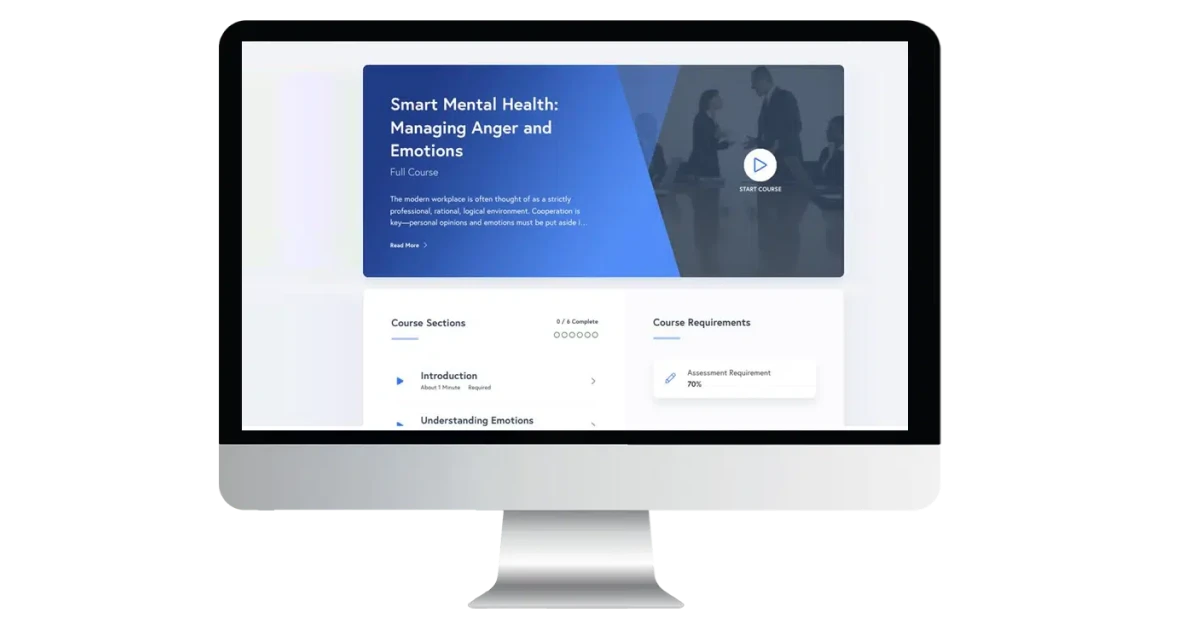
Effective mental health construction training helps you provide your teams with the support they need to thrive. Learning is a proactive step toward elevating mental health in the construction industry, reducing stigma, and supporting early intervention.
- Include Mental Health in Safety Training: Add mental health best practices and guidance to safety education programs and inform your team about common industry risks.
- Promote Open Communication: Supervisors can help foster a workplace safety culture where team members feel safe discussing mental health concerns and asking for help. This begins with strong communication skills, including active listening, empathy, and clear, respectful dialogue.
- Train Leaders to Spot Red Flags: Teach warning signs and risk patterns in order to identify and intervene early on before problems escalate.
- Provide Access to Support Resources: Make resources available for your employees who may want to seek help or learn more about mental health topics.
- Teach Stress Management Techniques: Address industry stressors and the different strategies to navigate stress and overwhelming feelings.
Set the Tone for Mental Health on Day One
Download our Employee Onboarding Guide and learn how to create an AEC workplace where new hires feel supported and ready to thrive.
Download Guide
Prioritize Construction Worker Mental Health with Vector Solutions
Supporting construction mental health begins with awareness, education, and access to the right tools. Serving the industry for over 25 years, Vector Solutions’ expert-developed courses and powerful learning and safety management platforms work together to support mental health, reinforce safety practices, close skills gaps, and meet continuing education requirements, all with a goal of keeping your workforce safe, strong, and supported.
We help construction firms by:
- Delivering targeted training on mental health, safety, skills development, and compliance
- Supporting workers with online courses that reduce stigma and promote peer awareness
- Streamlining and managing continuing education requirements and license renewals
- Assigning and tracking training across jobsites for greater consistency and visibility
- Improving training access with mobile-friendly, self-paced learning
- Enhancing safety culture with safety software that streamlines incident reporting, hazard tracking, inspections, and compliance management
Book a demo today and see how Vector supports mental health in the construction industry through targeted training solutions.
If you or someone you know needs immediate support, reach out to the 988 Suicide & Crisis Lifeline for free and confidential help.