











Power Boiler Ash Handling
The purpose of a power boiler is to create steam by applying heat energy to water. Many power boilers burn solid fuels, such as wood residue (biomass) and coal, which produce large amounts of ash that must be handled and disposed of. Each solid fuel boiler has a specially designed system to safely remove, transport and dispose of the ash generated during operation of the boiler. This module describes how ash is generated and the typical components used to remove ash in a power boiler.


Demos + Pricing
Learn more about our courses, get pricing, and see our platform.
Course Details
Learning Objectives
• Identify and describe the safety hazards and guidelines associated with power boiler ash
• Describe how ash is generated in a power boiler
• Identify and describe the two classes of boiler ash
• Describe the composition of coal and biomass ash
• Identify and describe typical ash handling components
• Identify and describe the two methods for handling ash
• Describe environmental hazards and prevention methods for ash handling systems
Specs
Frequently Asked Questions
How is ash generated in a power boiler?
What are the two classes of boiler ash?
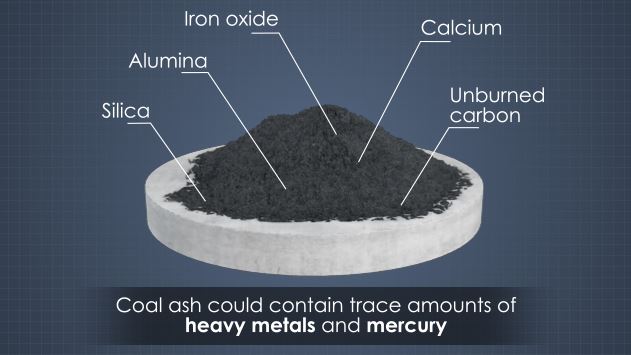
What is the composition of coal ash?
What is the composition of biomass ash?
What are two methods for handling ash?
Sample Video Transcript
The purpose of a power boiler is to create steam by applying heat energy to water. Many power boilers burn solid fuels such as wood residue or biomass and coal, which produce large amounts of ash that must be handled and disposed of. Each solid fuel boiler has a specially designed system to safely remove, transport, and dispose of the ash generated during operation of the boiler. Boiler ash is generated in two different forms: bottom ash and fly ash. And there are two different methods of handling the ash: a wet and dry method.


