







Lean Manufacturing: Pull Systems
This course will introduce you to a manufacturing principle that promotes the initiation of tasks, or utilization of components to meet actual demands, which in turn empowers companies to optimize resources and reduce waste. A pull system is contrary to a push system. While we’ll introduce and define the two theories, this course will focus on how to design and implement a pull system in your standard processes.



Demos + Pricing
Learn more about our courses, get pricing, and see our platform.
Course Details
Learning Objectives
- Define and compare push and pull systems
- List and describe the components of a successful pull system
- Compare and contrast sequential and replenishment pull systems
- Identify challenges when implementing a pull system
Specs
Frequently Asked Questions
What is the definition of a push system?
What is the definition of a pull system?
What are some characteristics of a pull system?
What are some elements necessary for a pull system to succeed in a manufacturing setting?
What are some benefits of a well-implemented pull system?
Sample Video Transcript
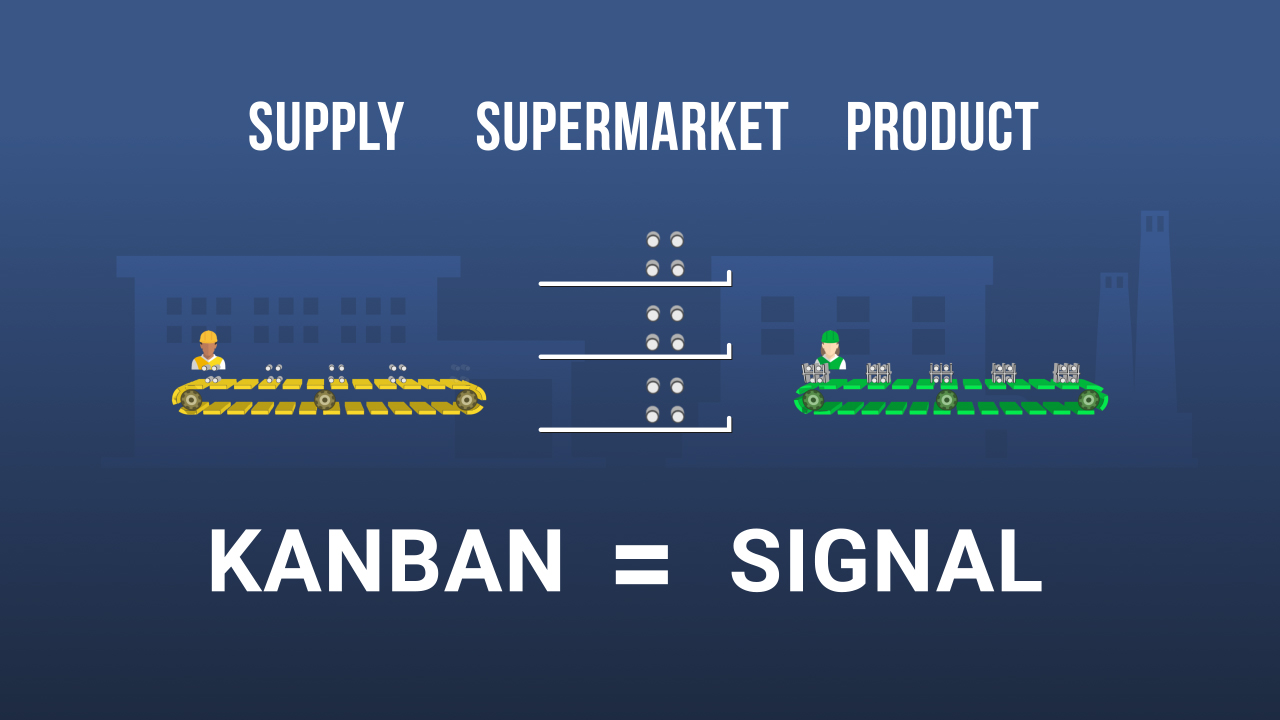
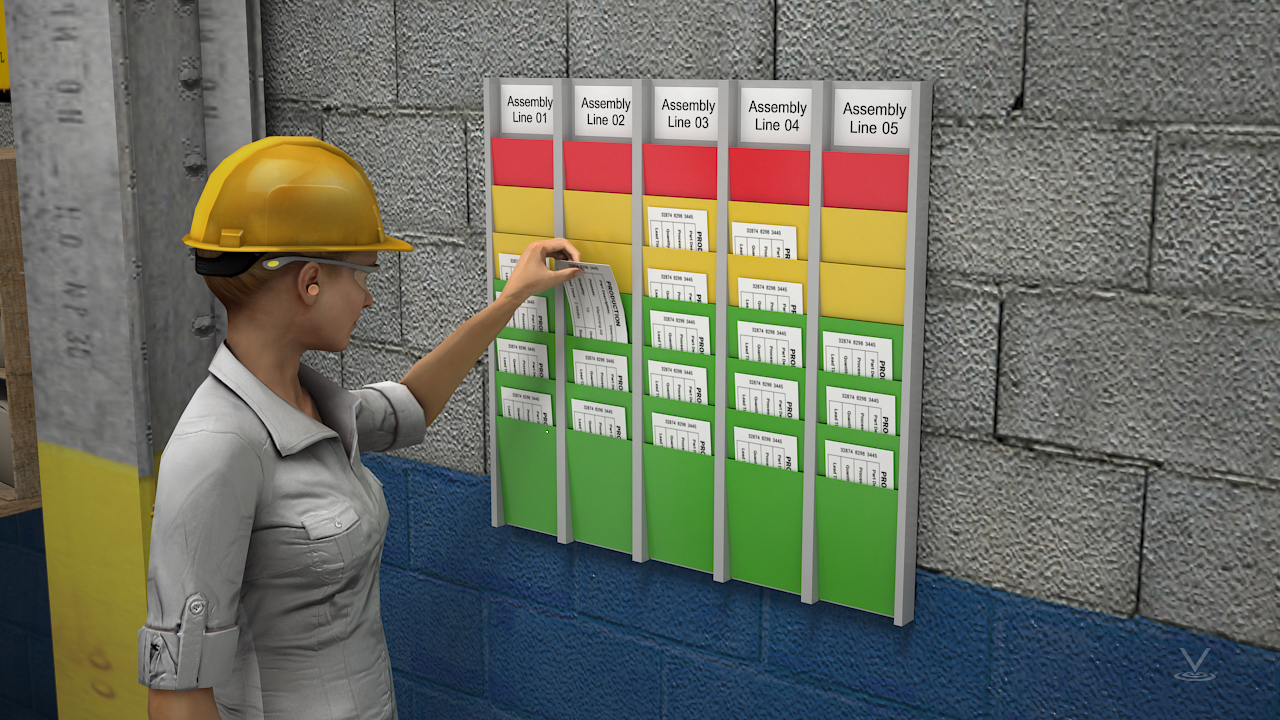
Lean manufacturing is about reducing or removing waste from within a system or process. It’s safe to say then that lean companies only make enough products to meet real customer demands, therefore no inventory of finished goods is maintained. A pull-based system of production and distribution is demand-driven rather than forecast-reliant. A pull system basically limits the amount of work-in-process (WIP) that can be in the system at a given time. Replenishing of supplies or production is determined according to actual customer orders that have been received. The sale of that product has already been negotiated. A pull environment will come from real demands and products only made to satisfy real orders. A work item can only be in process if there is a demand for it. This environment can be found or set at any level within an organization. We can visualize it on the production floor, as well as in the flow of information between departments. A pull system is a control-oriented system that operates by receiving signals that more production is needed. There are two different types of pull systems: sequential and replenishment. Sequential pull is where the downstream personnel pulls parts from the upstream supplying process in the sequence in which the prior step produces it. Sequential pull limits the amount of inventory between the two steps of a process. The ideal output is “one-piece flow.” When we refer to “one-piece flow,” we mean that subassemblies are moved from step to step, one piece at a time, or a small batch at a time, minimizing work-in-process inventory. Replenishment pull is where the downstream personnel pull parts from a storage location according to what they need to complete their tasks. This is like how a supermarket works, so replenishment pull systems are also called supermarket systems. The parts removed from the storage location, or supermarket, are replenished by the supplying process. Lean uses a concept called Kanban, meaning “signal” in Japanese, to manage this type of pull system. Kanban uses cards to signal and communicate the need for more supplies. In the context of the flow of information, a pull system allows employees to pull their next task if they have the capacity to start working on it. This helps them to better prioritize tasks and prevents overloading, helping employees stay focused on executing the work. Let’s visualize a couple of examples that would represent manufacturing pull systems. When standing at a workstation along the production line, we notice that there is only one footprint for the subassembly, which can be placed between station 3 and station 4. This is limiting the amount of work-in-process that the operator at station 3 can produce. Upon removal of the subassembly by the operator at station 4, the empty footprint signals the operator at station 3 to replenish the subassembly. This controlled condition clearly represents a pull system in place.


