










Belt Drive Adjustment
The primary function of all belt drives is the transmission of power from a source, such as an engine or electric motor, to a variety of devices. Improper tension and misalignment are the main problems that cause belts to fail. Both of these can be prevented with regular inspections, and basic knowledge of how to adjust tension and alignment. This course will describe safety measures for working with belts and drives, how to prevent common belt problems, how to inspect a belt, as well as how to remove and replace belts.



Demos + Pricing
Learn more about our courses, get pricing, and see our platform.
Course Details
Learning Objectives
• List safety measures for working with belts and drives
• Describe how to prevent common belt problems
• List steps for inspecting a belt
• Describe how to measure and adjust belt tension
• Describe how to remove and replace belts
• Describe types of and adjustments for pulley or sheave misalignment
Specs
Frequently Asked Questions
What is a belt drive protector and where can they be found?
What is the first (important) step to take when performing belt drive maintenance?
When it’s time, how do you replace the belt on the belt drive system?
How do you check the belt tightness after you’ve replaced it?
Sample Video Transcript
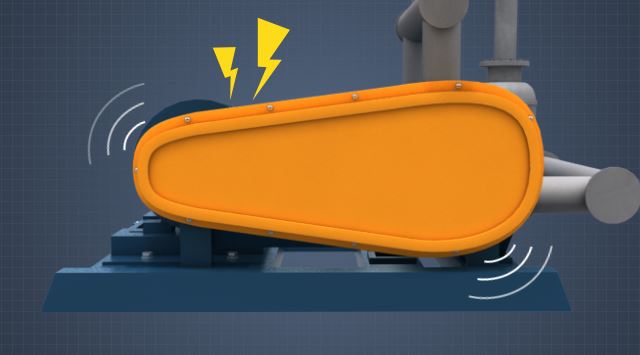
The two main problems that cause belts to fail are improper tension and misalignment. Both of these can be prevented with regular inspections and basic knowledge on how to adjust tension and alignment when needed. A belt that is not properly adjusted will tend to vibrate or jerk. It will also wear out much quicker. Another factor that can damage belts is improper storage and handling. Belts should not be exposed to temperature extremes, high humidity, or sunlight. They should also be kept free of dust, water, oil, grease, or rust.


