











DOT HAZMAT – Safety Training
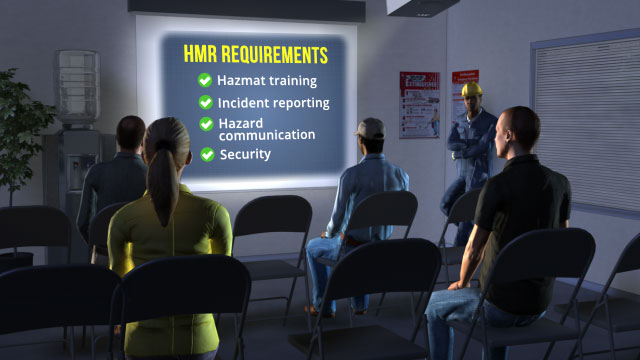
Over 4 billion tons of hazardous materials are transported in the U.S. every year. Due to their inherent risks to life, property, and the environment, the Department of Transportation (DOT) established the Hazardous Materials Regulations (HMR) to cover the classification, labeling, packaging, and handling of hazardous materials. The HMR also regulates DOT HAZMAT safety training, incident reporting, hazard communication, and security.
This DOT hazardous waste training course addresses safety training for HAZMAT employees. It provides them with the information they need to keep themselves and others safe when working with or around hazardous materials. This includes potential hazards, precautions that can be taken, basic first aid measures, and how to deal with leaks, spills, and fires.
Regulations covered: 49 CFR 171-180 (2015): Hazardous Materials Regulations 49 CFR 172.704 (2015)



Demos + Pricing
Learn more about our courses, get pricing, and see our platform.
Course Details
Learning Objectives
At the end of this DOT HAZMAT safety training course, you will be able to:
- Provide the Department of Transportation HAZMAT definition
- Describe the application of the U.S. DOT’s Hazardous Materials Regulations
- Identify who must comply with the HMR
- Describe the purpose of hazmat package markings, labels, and shipping papers
- Identify where one can find the emergency response information for a hazmat shipment
- List Personal Protective Equipment (PPE) appropriate for working around chemicals
- Identify first aid measures and how to respond to HAZMAT spills and fires
Specs
Frequently Asked Questions
What Is HAZMAT Training?
HAZMAT training is specialized instruction that prepares employees to safely handle, package, label, document, and transport hazardous materials in compliance with U.S. Department of Transportation (DOT) regulations. This training helps workers understand their training requirements, the hazard classes they work with, and the procedures they must follow to prevent releases, exposures, and transportation-related incidents.
A HAZMAT training course typically covers topics such as recognizing hazardous materials, using the Hazardous Materials Table (HMT), selecting proper packaging, marking and labeling, using shipping papers, and responding appropriately to emergencies. Effective training not only supports regulatory compliance, but also protects employees, the public, and the environment throughout the shipping process.
Why Do Hazardous Materials Regulations Exist?
Hazardous Materials Regulations exist to protect people, property, and the environment from the risks associated with moving dangerous goods in commerce. When properly followed, these rules reduce the likelihood and severity of spills, fires, explosions, and releases that can occur during handling, loading, unloading, and transportation.
DOT HAZMAT training is one of the primary tools used to implement these regulations in the workplace. By educating employees on classification, packaging, documentation, and emergency procedures, organizations can prevent costly incidents, minimize downtime, and demonstrate due diligence to regulators and customers.
Is DOT HAZMAT Training Mandated?
Yes. DOT requires employers to train and qualify each “hazmat employee” whose job affects the safe transportation of hazardous materials. This includes workers who classify materials, prepare shipping papers, package, mark, label, load, unload, or operate vehicles transporting regulated materials. Formal training is necessary to achieve the HAZMAT certification DOT requires so employees can perform these functions safely and in compliance with federal regulations.
Training is also essential for maintaining hazardous material safety throughout the entire supply chain. Proper instruction helps employees understand the risks involved in the transportation of hazardous materials, as well as best practices for HAZMAT storage, segregation, and incident response. Together, these measures help protect workers, communities, and the environment.
What Are Hazardous Materials According to DOT?
A “hazardous material” is any material that, due to its chemical properties, has the potential to cause injury, loss of life, or damage to property or the environment when transported in commerce. These materials are assigned to specific hazard classes and divisions based on their primary risks, such as flammability, toxicity, corrosivity, or reactivity.
DOT’s definition includes not only obvious chemicals and fuels, but also certain consumer products, industrial materials, and hazardous waste when they are offered for transportation. Properly identifying a material as hazardous is the first step in selecting compliant packaging, markings, labels, documentation, and handling procedures.
How Often Should Employees Receive Department of Transportation HAZMAT Training?
The HMR stipulates that new hazmat employees must be directly supervised by properly trained personnel for an initial period of 90 days, and retraining must occur at least every three years. This ensures that anyone performing HAZMAT functions understands current rules, company procedures, and the specific hazards of the materials they handle.
Regular DOT HAZMAT safety training helps employees and employers meet DOT requirements while reinforcing safe work habits and responsibilities related to workplace safety. Many organizations also choose to provide more frequent refresher or job-specific training to address regulation updates, changes in operations, or new materials.
Where Can I Find the HMR and Hazardous Materials Table (HMT)?
The HMR can be found in Parts 171–180 of Title 49 in the U.S. Code of Federal Regulations (CFR), and the HMT can be found in Part 172 of Title 49 in the CFR. These regulations and tables are available online and in printed form, and they are the primary reference sources for determining how to prepare and transport hazardous materials compliantly.
The HMR and HMT provide critical information about proper shipping names, hazard classes, UN/NA identification numbers, packing groups, packaging authorizations, quantity limitations, and special provisions. Hazmat employees should know how to access and use these resources as part of their day-to-day job duties.
What Is the Significance of the Materials in the “List of Marine Pollutants” in Appendix B of the HMT?
The materials in the “List of Marine Pollutants” have HMR requirements that apply only when they are transported by a waterborne vessel. When shipped by vessel, these substances may require specific identification, marking, and documentation to highlight their potential to harm aquatic environments.
Even if a shipment will travel by multiple modes, hazmat employees must understand when marine pollutant rules apply and how to recognize these materials in the Hazardous Materials Table. Properly identifying marine pollutants supports environmental protection efforts and helps companies remain compliant with international and domestic shipping requirements.
Who Handles Enforcement of DOT Hazardous Materials Regulations?
Enforcement is handled by the Federal Motor Carrier Safety Administration (FMCSA), Federal Aviation Administration (FAA), U.S. Coast Guard, and Federal Railroad Administration (FRA). Each agency focuses on hazardous materials compliance within its mode of transportation—highway, air, water, or rail.
These agencies conduct inspections, audits, and investigations to verify that shippers, carriers, and other regulated parties are following the HMR. Violations can lead to fines, operational disruptions, and reputational damage, which is why effective HAZMAT training and strong internal procedures are critical for compliance.
What Are the Benefits of Taking DOT HAZMAT Courses Online?
Online DOT HAZMAT courses allow employees to complete required training on a flexible schedule, reducing time away from the job and simplifying logistics for multi-shift or multi-site operations. Learners can progress at their own pace, review challenging topics, and revisit content as needed to reinforce understanding.
High-quality online training can also improve retention of key safety concepts, leading to fewer errors, better documentation, and a lower likelihood of HAZMAT incidents. For employers, online programs help standardize training across locations and provide a convenient way to track completion and maintain training records.
Does Vector’s DOT Hazardous Waste Training Offer a Certificate After Completion?
Yes. Vector’s DOT hazardous waste and HAZMAT safety training is designed to help hazmat employees build the knowledge and skills they need to comply with the HMR and safely perform their job functions. Upon successful completion of the course and any required assessments, learners receive a certificate documenting their training.
This certificate can help employers demonstrate that employees have completed appropriate online DOT training as part of their overall compliance program. Employers should retain training records and certificates in accordance with company policy and regulatory expectations to support audits, inspections, and internal safety initiatives.
Sample Video Transcript
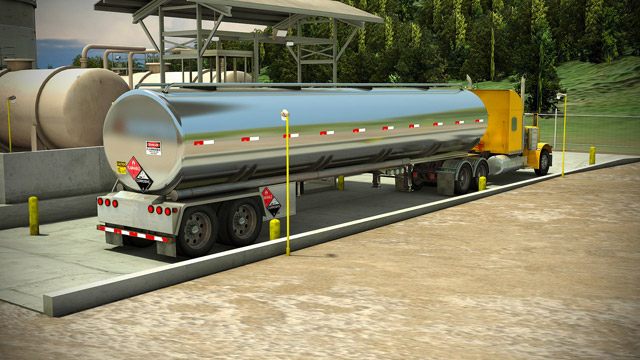
The U.S. Department of Transportation defines hazardous material as any material or substance that, due to its chemical properties, has the potential to cause injury, loss of life, or damage to property or the environment when transported in commerce. This includes materials that are radioactive, explosive, toxic, flammable, infectious, chemically reactive, or corrosive. In the U.S., the DOT regulates the shipping and packaging of hazardous materials being transported between states and also internationally.
Additional Resources
- US Department of Transportation – www.tranportation.gov
- US Department of Transportation Pipelines and HazMat – www.phmsa.dot.gov
- US Department of Labor Occupational Safety and Health and Administration – www.osha.gov
- OSHA We Can Help – https://www.osha.gov/SLTC/trucking_industry/transportinghazardousmaterials.html
- US Government Publishing Office – www.ecfr.gov
- US Government Publishing Office Electronic Code of Federal Regulations – http://www.ecfr.gov/cgi-bin/text-idx?tpl=/ecfrbrowse/Title49/49cfrv2_02.tpl


