











Industrial Housekeeping
0.25 Hrs
SKU: RVCT-848
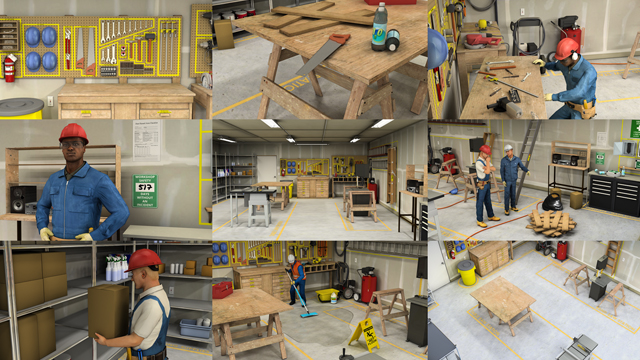
Poor housekeeping practices create hazards in our workplace. The concept of housekeeping includes picking up, wiping up, and cleaning up. This course will cover the benefits of a clean workplace and how to practice good housekeeping.

✕
✕
✕
✕
✕
Demos + Pricing
Learn more about our courses, get pricing, and see our platform.
✕
Course Details
Learning Objectives
- Identify and manage potential hazards associated with poor housekeeping.
- Learn how to properly dispose of waste, organize materials, and ensure cleanliness in high-traffic areas.
- Understand the importance of establishing designated smoking zones to prevent fire hazards and protect employees’ health.
- Understand the numerous benefits of a clean workplace, such as increased productivity, improved employee morale, and reduced accidents.
Specs
Course Level
Intermediate
Languages
English
Compatibility
Audio, Video
Based on:
29 CFR 1910.22
Frequently Asked Questions
What are the keys to good housekeeping?
The keys to good housekeeping are cleanliness, a good layout with adequate space, and appropriate material handling equipment and storage space.
How should aisles be maintained?
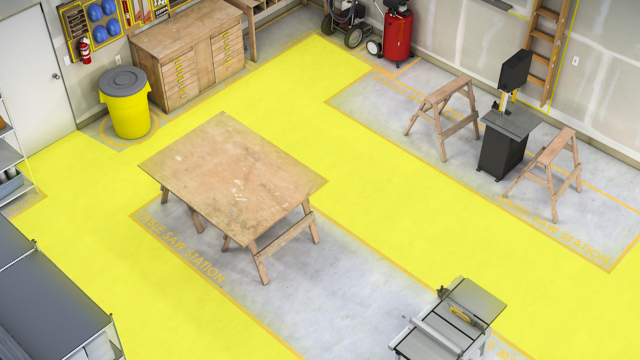
Aisles are meant for the movement of people and materials, not storage. Keep them clear at all times and paint lines to designate aisle boundaries.
What does “a place for everything and everything in its place” mean?
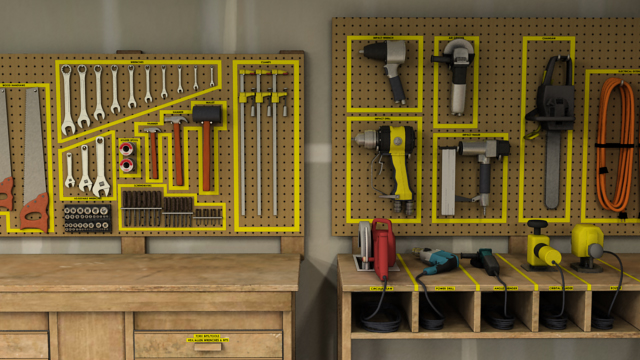
This is the storage philosophy needed for good housekeeping. Every object has a correct place and keeping them in their place while not in use keeps the workplace free of clutter and makes them easier to find when needed.
What is the purpose of a housekeeping program?
A housekeeping program includes a housekeeping policy and describes scheduled activities and inspections needed to maintain good housekeeping.
What are the benefits of good housekeeping?
Good housekeeping eliminates hazards, which creates a safe workplace. It can also improve productivity, quality, and operating costs.
Sample Video Transcript
A clean work area is a safe work area and when incidents do occur, good housekeeping helps minimize losses. For example, a fire in a clean work area is easier to contain and the damage is usually limited. To maintain a clean workplace:
- Make cleaning a priority and a part of everyone’s job responsibilities. It should be an every-day activity, not something that is only done once in a while when things get too messy.
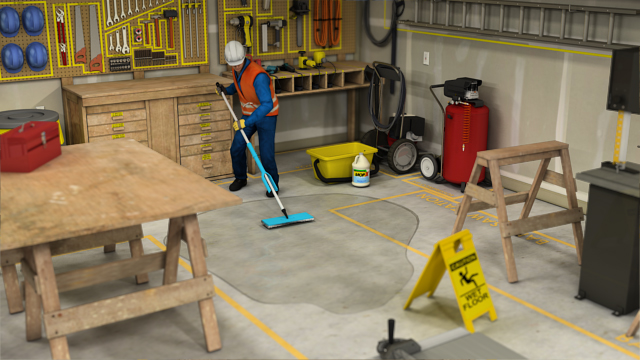
- Clean up spills immediately to prevent slips, trips and falls. Always follow correct procedures for chemical spills.
- Keep appropriately marked waste containers in designated areas and always use the correct container.


