











Paper and Board Optical Tests
Paper and board products are widely used in our daily lives. Sheet characteristics can fall into one or more of the following categories: physical, optical, electrical, thermal, structural, and surface. Different tests have been developed by various organizations to quantify and help predict how a sheet of paper or board will perform during converting and finishing processes, and in its end use. This module will discuss the tests that are commonly used to assess the optical properties of paper and board sheets.


Demos + Pricing
Learn more about our courses, get pricing, and see our platform.
Course Details
Learning Objectives
• Identify the organization whose standardized paper and board test methods are most commonly used in the U.S. • Describe the four mechanisms of interaction between light and the surface of a sheet of paper or board • Describe brightness testing, including principles and units • Describe opacity testing, including principles and units • Describe formation testing, including principles and units • Describe color testing, including principles and units • Describe gloss testing, including principles and units
Specs
Frequently Asked Questions
How does light interact with a paper surface?
What are common optical tests for paper?
What is brightness and how is it tested?
What is gloss?
What is formation?
“
Sample Video Transcript
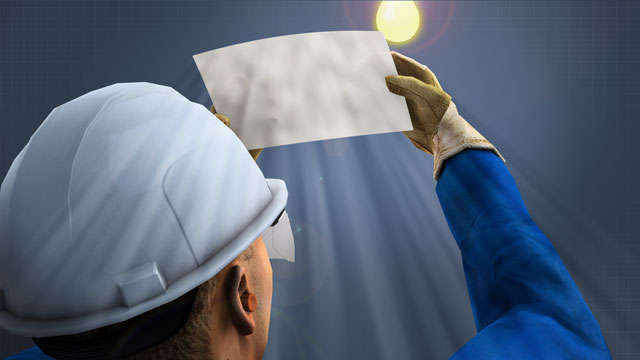
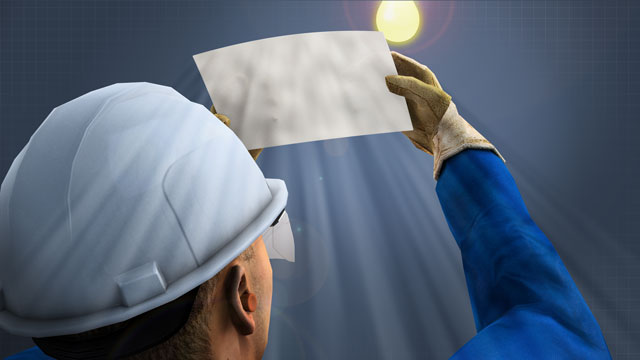
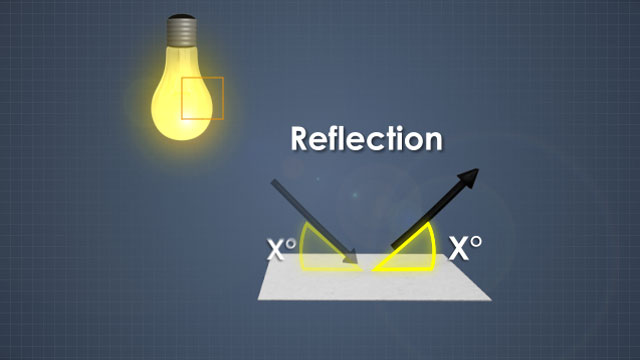
The light that strikes the surface of a sheet is called the incident light. And there are four mechanisms of interaction between incident light and the sheet surface. They are: Reflection: the incident light is reflected back by the surface at a reflection angle equal to the incident angle. Transmission: the incident light penetrates through the sheet surface. Scattering: the incident light is diffusely reflected in different directions; and Absorption: the incident light is absorbed into the sheet and dissipated as heat or light. These four mechanisms result in the different optical properties of paper and board. Common optical tests for paper and board include: brightness, opacity, formation, and color. For these tests only visible light and wavelengths between 380 and 720 Nanometers is considered.


