











Belt Drive Basics
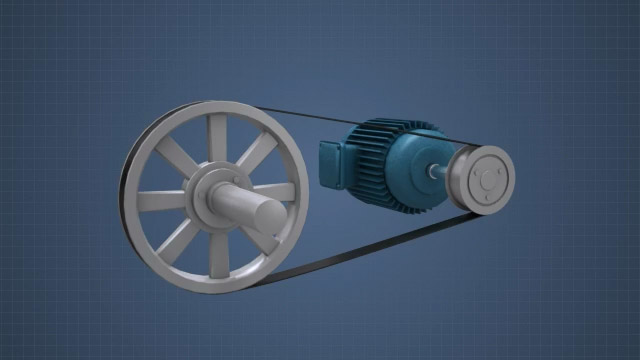
Belt drives are known as flexible machine elements. This type of element has the advantage of being able to absorb significant amounts of shock and vibration. The primary function of all belt drives is the transmission of power from a source, such as an engine or electric motor, to a variety of devices. This course will discuss advantages and disadvantages of belt drives, belt types, common belt problems, and proper belt handling.



Demos + Pricing
Learn more about our courses, get pricing, and see our platform.
Course Details
Learning Objectives
• Define power transmission and drive train
• Identify the advantages and disadvantages of using belt drives
• Describe the relationship between speed and torque
• Recognize the differences between flat, V, serpentine, and synchronous belt types
• Describe common belt problems
• Describe proper belt care and handling
Specs
Frequently Asked Questions
What is a power transmission?
What are some advantages of belt drives?
What is a friction drive belt?
What is a positive drive belt?
What are some environmental factors that can influence a belt drive’s performance?
Sample Video Transcript
Belt drives are known as flexible machine elements. This type of element has the advantage of being able to absorb significant amounts of shock and vibration. The primary function of all belt drives is the transmission of power from a source, such as an engine or electric motor to a variety of devices. They can also be used in conveying systems, as in the transportation of coal over a great distance, and as a replacement of rigid power transmission systems, as when a belt transmission replaces a geared drive.


