








Bleaching Sequences and Filtrate Recycling
Bleaching is usually accomplished using a series of chemical treatments. The chemicals and the order in which they are used make up a “bleaching sequence.” This course covers what a typical bleaching sequence is as well as the main goals of bleaching and how to achieve those goals. It also describes what the advantages and disadvantages of bleaching are along with the purpose and configurations of filtrate recycling.

Demos + Pricing
Learn more about our courses, get pricing, and see our platform.
Course Details
Learning Objectives
• Define a “bleaching sequence”
• Describe the goals of bleaching and how to achieve a good bleaching sequence
• Describe how to represent bleaching stages and sequences
• Identify and define typical bleaching sequences
• Describe advantages or disadvantages of typical bleaching sequences
• Identify reasons for filtrate recycling
• Identify and describe filtrate recycling configurations
Specs
Frequently Asked Questions
What is a bleaching sequence?
How can the chemical demand for bleaching be reduced?
What do the letters in a bleaching sequence mean?
What does ECF and TCF mean?
What are the different configurations for filtrate recycling?
Sample Video Transcript
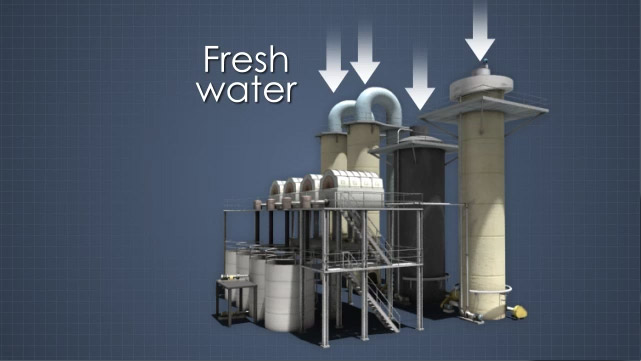
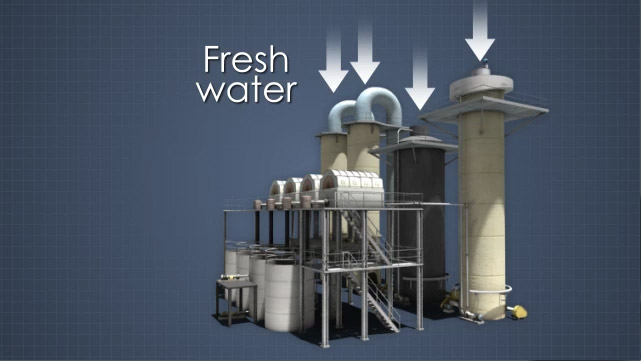
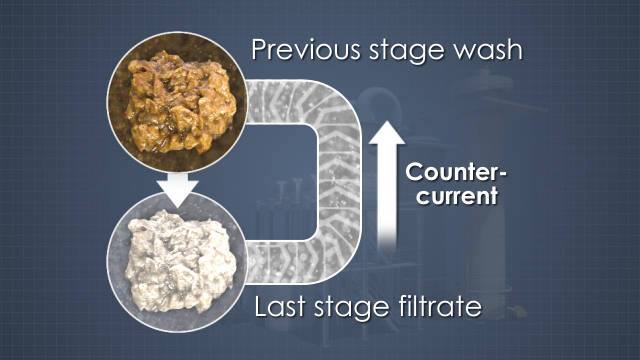
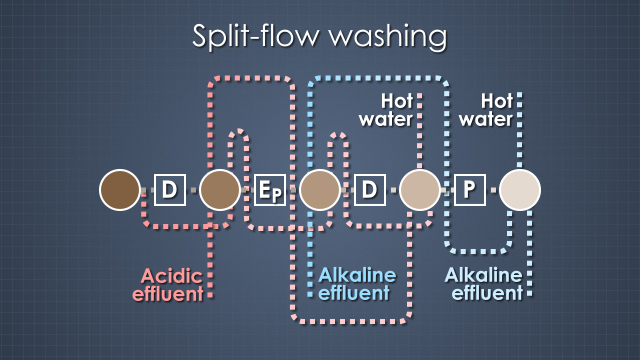
One way to wash pulp in the bleach plant would be to supply fresh water to each stage, but this would require a tremendous amount of water. Note that as the pulp moves through the plant, there is less lignin to remove, hence, less dissolved lignin. So the pulp and wash filtrate becomes increasingly clean because the discharge filtrate from the last stage is cleaner than the pulp coming into the previous stage, that filtrate can be used as a wash water in the previous stage. Using this technique of filtrate recycling, wash water flows countercurrent to the pulp through a bleach plant. However, direct countercurrent flow is not ideal because of the pH differences from stage to stage. A large amount of acid or alkali would be required to raise and lower the pulp pH.


