











Bloodborne Pathogens Training (Online Course)
This bloodborne pathogens training course helps employees understand how to reduce the risk of exposure to infectious microorganisms such as viruses and bacteria found in blood. Bloodborne pathogens can spread through contact with infected blood or other bodily fluids, making safe workplace practices essential. The training outlines key steps employees can take to prevent exposure and highlights the role of personal protective equipment (PPE) in protecting against transmission. Developed to align with OSHA standards, this course supports OSHA compliance, promotes a safer workplace, and helps organizations meet regulatory requirements.
This Bloodborne Pathogens training course is part of the Health, Safety & Environment (HSE) Premium Online Training Library, which includes 400+ interactive safety training courses.


Demos + Pricing
Learn more about our courses, get pricing, and see our platform.
Course Details
Learning Objectives
- Define bloodborne pathogens
- List common types of bloodborne pathogens
- Describe how bloodborne pathogens are transmitted from one person to another
- Describe techniques for transmission prevention
- Describe what to do if exposed to a bloodborne pathogen
Specs
Frequently Asked Questions
What are bloodborne pathogens?
Bloodborne pathogens are infectious microorganisms in human blood that can cause disease in humans. Examples include hepatitis B (HBV), hepatitis C (HCV), and human immunodeficiency virus (HIV).
Why is bloodborne pathogen training important?
Training is crucial for preventing occupational exposure to bloodborne pathogens, ensuring workplace safety, and complying with OSHA regulations. It helps employees understand risks and adopt proper safety measures.
Who should take this course?
This course is ideal for healthcare facilities maintenance workers, lab technicians, janitorial staff, and any employees who might be exposed to blood or other potentially infectious materials (OPIM) in their work environment.
What will I learn in this course?
You’ll learn about the types of bloodborne pathogens, modes of transmission, prevention strategies, proper use of personal protective equipment (PPE), and procedures for handling exposure incidents.
Is this course OSHA-compliant?
Yes, our training course aligns with OSHA’s Bloodborne Pathogens Standard (29 CFR 1910.1030) requirements, ensuring that you and your workplace are compliant.
Can I take the course online?
Absolutely! Our course is fully online, allowing you to complete the training at your own pace from the comfort of your home or office.
Sample Video Transcript
“When you see someone get hurt or injured, is your first instinct to help? For your own safety, it’s best to take a moment to assess some things first. Most importantly, could you be exposed to blood or other body fluids? When someone has a cut or puncture wound, or other traumatic injury, it is important to stop the bleeding, but you must consider bloodborne pathogens. What are those?
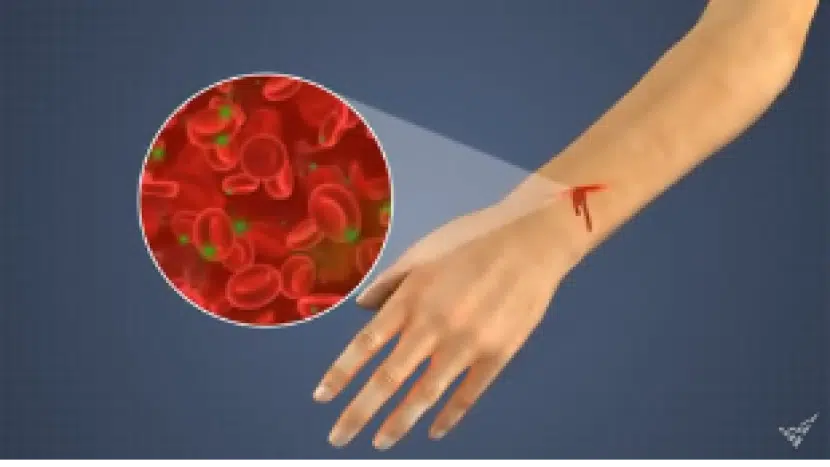
Bloodborne pathogens are infectious microorganisms such as viruses and bacteria that, if present in blood, can cause disease in humans. These pathogens can be transmitted from an infected person to a healthy person by contact with infected blood, other body fluids, or unfixed tissue and organs (other than intact skin).”
Additional Resources
OSHA standard: 29 CFR 1910.1030 Bloodborne Pathogens


