











Electrostatic Precipitators
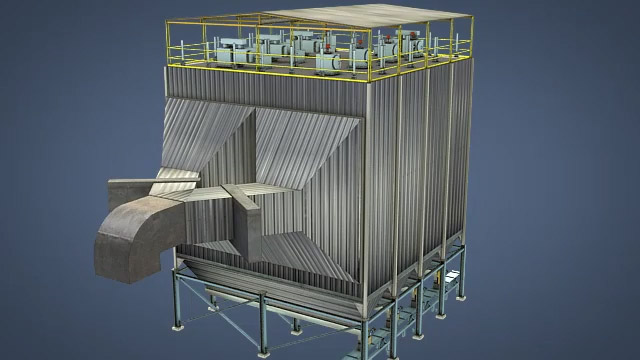
Many industrial processes, like kilns and boilers, discharge spent gases to the atmosphere. These gases, called “flue gases,” are often treated to remove pollutants in order to meet environmental regulations. Sometimes, enough particulate is recovered that it is worth returning to the process. An electrostatic precipitator, or ESP, is one method for removing particulate matter from flue gas. This module will describe the major components as well as the purpose and operating principles of an electrostatic precipitator.



Demos + Pricing
Learn more about our courses, get pricing, and see our platform.
Course Details
Learning Objectives
• Identify and describe the major components of an electrostatic precipitator
• Describe the purpose and operating principles of an electrostatic precipitator
• Differentiate between wet and dry electrostatic precipitators
• Identify and describe key factors for precipitator performance
• Identify and describe key safety considerations when working with an electrostatic precipitator
• Identify and describe the typical process flows in the electrostatic precipitator
Specs
Frequently Asked Questions
What is the purpose of an electrostatic precipitator?
What is the principle behind the operation of an electrostatic precipitator?
What is the purpose of rappers in dry electrostatic precipitators?
What type of electricity is used in electrostatic precipitator?
What is the purpose of a distribution screen?
Sample Video Transcript
A precipitator operates in an enclosed chamber. Inside the chamber are collection plates that are connected to the grounded outer frame. Positioned around of the collection plates are discharged electrodes. The electrodes are negatively charged with high voltages and are insulated from ground. As flue gas flows through the chamber, dust particles and other entrained flue gas components pass through the high-energy field and become ionized. This drives negatively charged ions and particles to the collection plates. The particulate matter builds up on the collection plates and forms a layer.


