











First Aid – Diabetic Emergencies
This comprehensive course prepares workers to recognize and respond effectively to diabetic emergencies. Participants will gain essential knowledge about diabetes mellitus, including the three major types and how insulin affects blood sugar regulation. The course covers critical skills for identifying the symptoms of both hypoglycemia (low blood sugar) and hyperglycemia (high blood sugar), understanding the difference in their onset patterns, and implementing appropriate first-aid responses for each condition.
Learners will explore common monitoring and control devices used by people with diabetes, including blood glucose meters, insulin delivery systems, and glucagon emergency kits. Through practical scenarios and step-by-step guidance, participants will learn when to provide fast-acting carbohydrates, when to call emergency services, and how to assist safely without overstepping their role. The course emphasizes proactive workplace preparedness, proper safety precautions, and creating an inclusive environment that supports colleagues with diabetes while maintaining emergency readiness.


Demos + Pricing
Learn more about our courses, get pricing, and see our platform.
Course Details
Learning Objectives
By the end of this course, you will be able to:
- Explain how diabetes affects blood sugar levels
- Describe the tools used to monitor and control blood sugar
- Recognize the symptoms of low blood sugar (hypoglycemia) and high blood sugar (hyperglycemia)
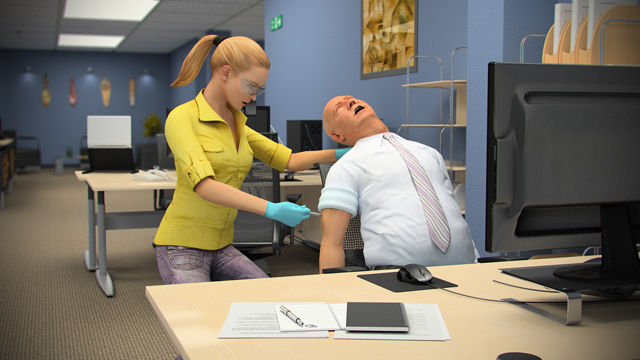
- Explain what first-aid steps to take when someone is experiencing low blood sugar or high blood sugar
Specs
Frequently Asked Questions
What is diabetes?
There are several different types of diabetes. Each type reduces a person’s ability to control the amount of sugars in their blood.
What are the primary types of diabetes?
There are three types of diabetes: gestational diabetes, diabetes 1, and diabetes 2.
What is hypoglycemia?
When someone is suffering from low blood sugar.
What is hyperglycemia?
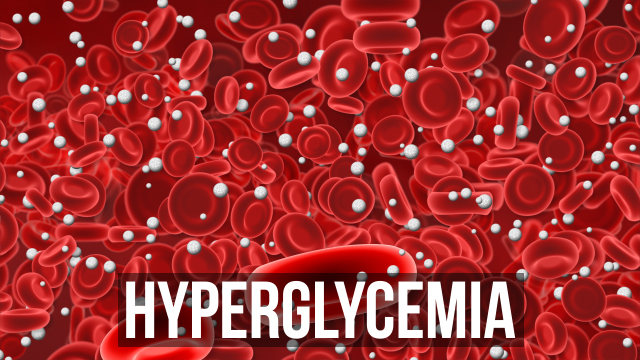
When someone is suffering from high blood sugar.
What is insulin?
Insulin is a hormone, which is produced by the pancreas. Insulin allows the body’s cells to use blood glucose, or sugar, and it regulates the body’s blood sugar levels.
Sample Video Transcript
As you’ve learned, the different types of diabetes make it difficult for a person to control the level of sugar in his or her blood. Diabetes is becoming increasingly common and there’s a good chance you work with someone who has it, or may even have it yourself. It’s important to know the symptoms a person with diabetes experiences when they have low blood sugar and when they have high blood sugar. It’s also important to know proper first aid for both conditions. When people tell co-workers about their diabetes, it increases the chances that co-workers will be prepared to give proper first aid when necessary. Finally, it’s important to know about medic alert devices, and about items people with diabetes often carry, including insulin and glucagon injection kits, blood sugar monitors and glucose tablets, including why and how they’re used.
Additional Resources
- American Diabetes Association – www.diabetes.org
- Emergency Preparedness – https://www.diabetes.org/living-with-diabetes/treatment-and-care/medication/tips-for-emergency-preparedness.html
- WebMD – www.webmd.com
- Diabetes Health Center – https://www.webmd.com/diabetes/default.htm


