











Heavy Equipment Visibility
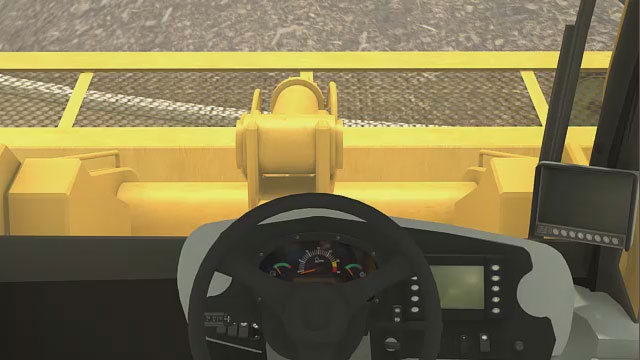
When operating heavy equipment, the driver’s view is likely to be blocked in several directions. These “blind spots” can even obscure a person standing right next to the equipment. One wrong move and that person could be injured or even killed. But these incidents do not have to happen. This module will discuss how to safely operate and work around heavy equipment to avoid injuries.



Demos + Pricing
Learn more about our courses, get pricing, and see our platform.
Course Details
Learning Objectives
At the end of this course module, you will be able to:
- Describe how to properly observe the worksite before beginning work
- Describe the items that should be inspected before operating heavy equipment
- Describe how to scan the worksite while driving heavy equipment
- Identify the most common areas for blind spots
- Describe safe practices for operating heavy equipment near people
- Identify and describe tips for working near heavy equipment
Specs
Frequently Asked Questions
What are some of the first things you should do before beginning work on a site?
What items are included on a pre-operation visibility checklist?
What precautions should be taken when driving in bad weather?
What should you never do when maneuvering heavy equipment around people?
Sample Video Transcript
Blind spots are areas around the heavy equipment that a driver cannot see while looking forward or looking in the rear view or side view mirrors. The most common blind spots are areas near the back of the vehicle, on both the left and right side, and low spots immediately in front of the vehicles. Typically, the larger the equipment, the larger the blind spots. Therefore, drivers of heavy equipment need to be even more careful. Always adjust your mirrors to reduce your blind spots as much as possible, but never depend on your mirrors 100%.


