











Lighting Basics
All workplaces depend on high quality lighting. In addition to providing illumination of workspaces, good lighting also plays a role in enhancing employee satisfaction and performance, as well as providing general comfort and safety. It reduces the risk of eye strain and any of the physical symptoms that accompany it, including headaches or neck pain. In the industrial setting, lighting does all this, plus it provides clear visual indication of functions, and control of various processes. This module will describe different types of lights and their common uses.


Demos + Pricing
Learn more about our courses, get pricing, and see our platform.
Course Details
Learning Objectives
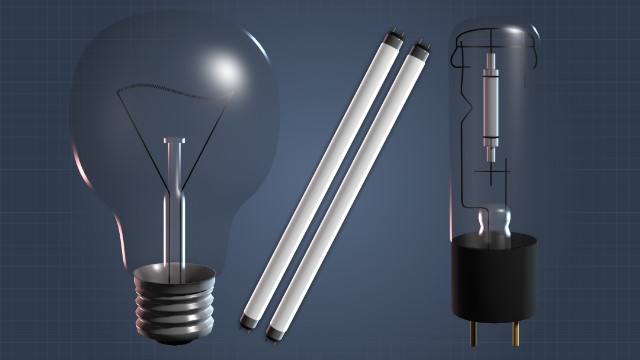
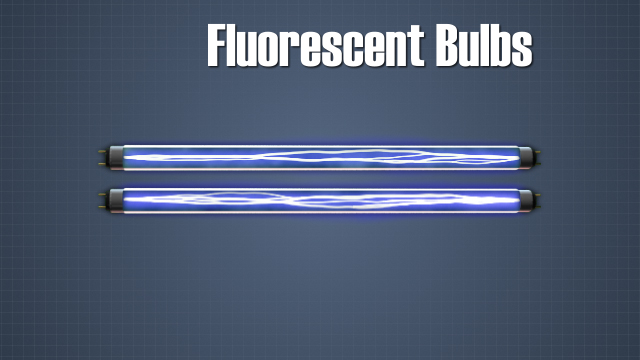
• Identify ways of classifying light bulbs • Identify main lighting components • Differentiate between incandescent, fluorescent, HID, LED, and neon lights • Understand the function of high voltage components
Specs
Frequently Asked Questions
What’s the purpose of lighting in an industrial facility?
How does an incandescent bulb work?
When are High Intensity Discharge (HID) lamps used?
What is a lighting contactor?
What are lighting ballasts designed to do?
Sample Video Transcript
Socket holders allow the bulb to be secured into place, and also enable switching bulbs when needed. They typically come in plastic, ceramic, or metal, depending on the type of bulb they support. Switches are used to open and close electrical circuits when turning lights on and off. Switches can be single, referred to as single-pole, or multiple-way. Individual switches are helpful, as they allow workers to turn off unnecessary lamps that are not in current use resulting in lower electrical costs.


