











Heat Exchanger Basics
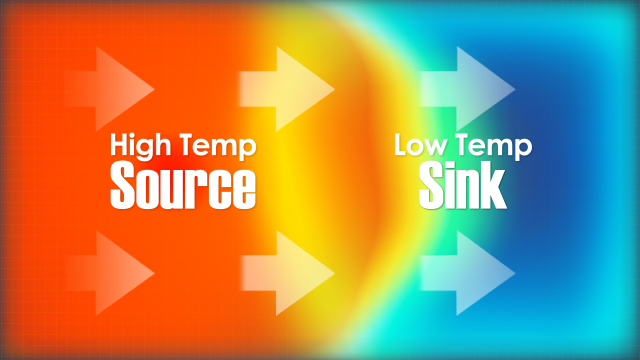
Heat exchangers are typically used to transfer heat between fluids using conduction, convection, and radiation. This course details the three heat transferring methods used by heat exchangers as well as how heat exchangers are classified. It also illustrates common heat exchangers types such as shell-and-tube, plate, extended surface, and regenerative heat exchangers.


Demos + Pricing
Learn more about our courses, get pricing, and see our platform.
Course Details
Learning Objectives
At the end of this course, you will be able to:
- Describe the three ways that heat can be transferred
- List the factors that can affect the rate of heat transfer in an exchanger
- List common types of indirect heat exchangers
- Identify the primary components of a shell and tube heat exchanger
- Identify the advantages and disadvantages of plate heat exchangers
Specs
Frequently Asked Questions
What is a heat exchanger?
What is the definition of heat transfer?
How are heat exchangers classified?
What variables determine the rate of heat transfer in a heat exchanger?
Sample Video Transcript
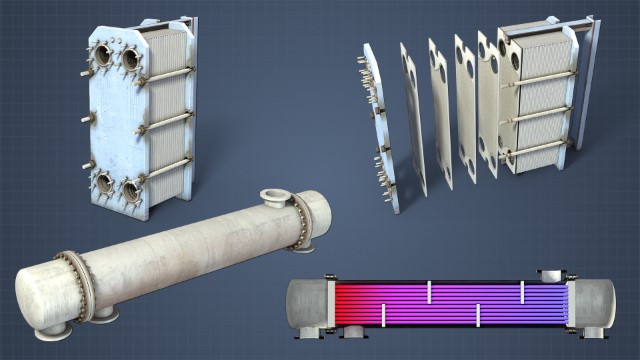
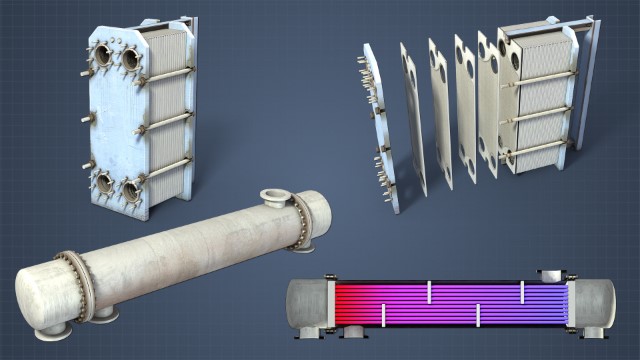
Heat exchangers can also be classified by their design and construction. There are four basic designs. One, tubular. Two, plate. Three, extended surface. And four, regenerative. A tubular heat exchanger consists of a set of tubes, the tube bundle typically contained within a shell. Thus, the name Shell and Tube Heat Exchanger. The tubes contain one fluid and the second fluid runs over or around the tubes, to either supply heat to or remove heat from the tube surfaces.


