











Supplemental and Recycled Fiber – Fiber Fundamentals
Paper and board products are made from fibers from a variety of sources. Virgin and recycled cellulose fibers from wood are the two main sources. Different fiber types are often blended together in order to produce a sheet with the desired properties. This course will discuss the characteristics of supplemental and recycled fibers that are used to produce paper and board products.




Demos + Pricing
Learn more about our courses, get pricing, and see our platform.
Course Details
Learning Objectives
• Describe virgin, recycled, and non-wood fibers
• Describe the difference between hardwood and softwood fibers
• Describe how non-wood plant fibers and synthetic fibers are used in paper and board products
• List and describe the three main sources of recycled fiber
• Identify the recycled products that can be made from the five main waste paper grades
• Describe the types of contaminants found in waste paper
• Describe the main differences between recycled wood fibers and virgin wood fibers
Specs
Frequently Asked Questions
What are the three primary classifications of recycled fiber?
How much paper is produced from non-wood sources?
What positive characteristic do the non-wood fibers of cotton, hemp and linen share?
What is the biggest challenge to processing post-consumer secondary, or recycled fibers?
What happens to cellulose fibers as they are repeatedly recycled?
Sample Video Transcript
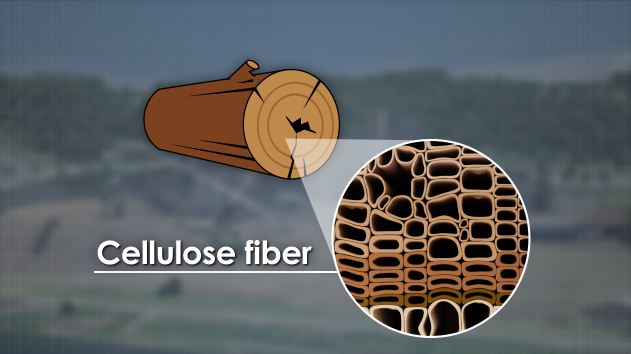
Fiber is the main ingredient and primary expense in the manufacture of paper and board products. Cellulose fiber from wood is the predominant fiber type used because it is widely available and has the ability to form interfiber bonds. In order to produce paper or board, the wood fibers must be separated from one another. This can be done by mechanical or chemical means or by a combination. This process is referred to as pulping. And the mass of fibers produced is called pulp. Wood pulp can be made from soft woods and hard woods which produce fibers with different characteristics. Hardwood fibers tend to be shorter and stiffer while softwood fibers tend to be longer and more flexible, though there is some overlap.


